Error - Could not copy link
Page link copied!
Blog

Terraform Is Dead - Or Isn’t It?

Why Infrastructure as Code Still Matters in the Era of Operators and AI Agents

Daniel Caduri
December 17, 2025
~ min read
~0 min read

The Debate: Operators and AI Agents vs. Terraform

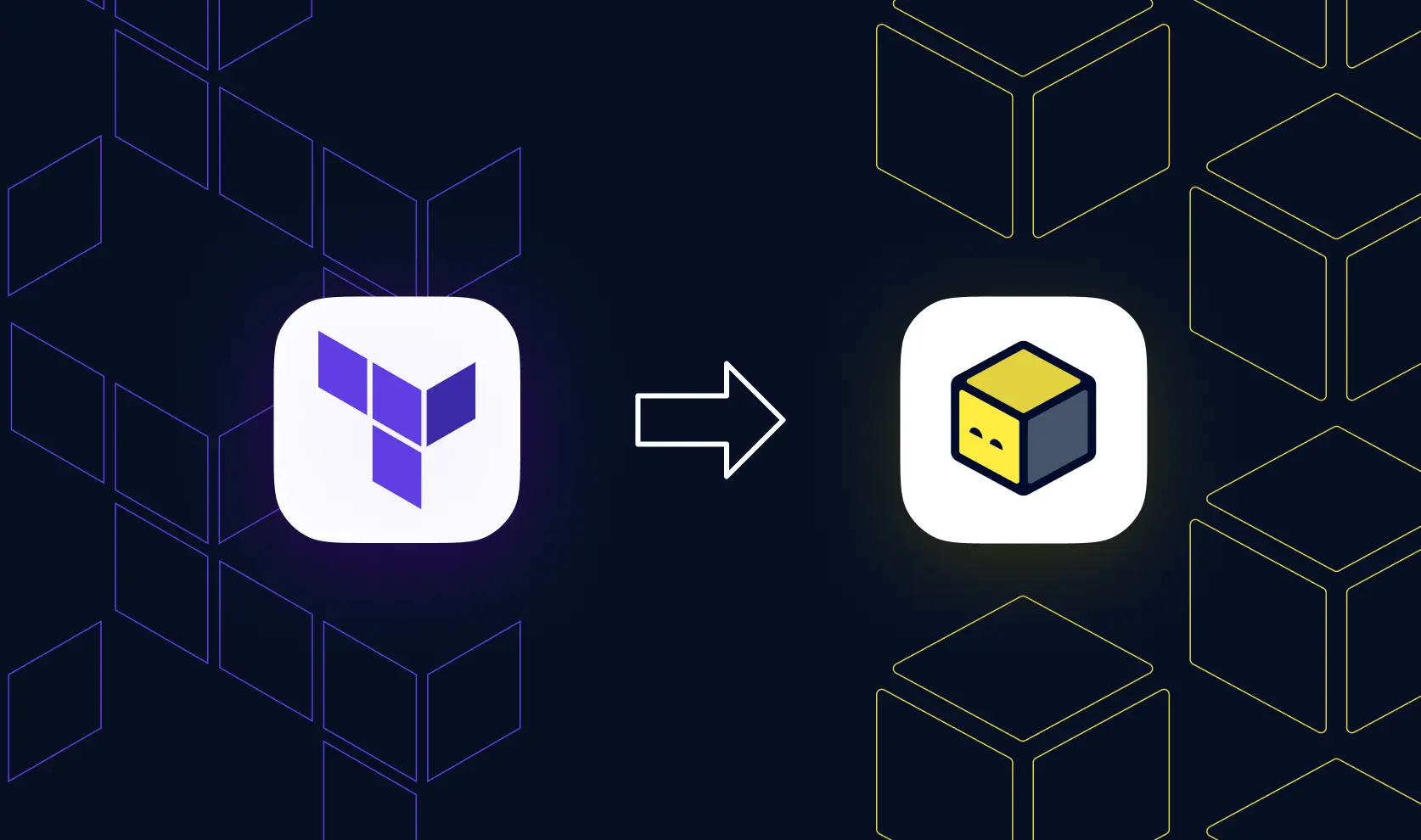
Recent discussions in the DevOps and platform engineering communities have been dominated by a provocative claim: “Terraform is dead.” Proponents argue that Kubernetes operators, AI agents, and natural language interfaces are the future of cloud infrastructure management. The argument goes: why force developers to learn HCL, YAML, or any IaC language when operators and AI can automate everything?

This perspective is gaining traction, especially as the Kubernetes operator pattern matures and AI-driven tools emerge. Operators encapsulate domain knowledge, automate complex workflows, and continuously reconcile desired and actual state, making them a natural fit for modern, dynamic infrastructure. AI agents promise even more abstraction, letting teams describe infrastructure needs in plain English.

But is this the end for Terraform and Infrastructure as Code (IaC)? Not quite.

The Flaws in “Terraform Is Dead”

1. Terraform Was Never Meant for Developers Alone

One of the main criticisms is that asking every developer to master Terraform (or any IaC tool) is unrealistic. And that’s true. But Terraform was never designed as a developer-facing tool. It’s a backend engine for cloud engineers and platform teams to define, manage, and version infrastructure safely and consistently.

2. Operators Don’t Replace All IaC Use Cases

Operators are powerful, especially in Kubernetes. They automate operational tasks, manage lifecycle events, and keep systems healthy. But operators themselves depend on underlying infrastructure: VPCs, databases, cloud services, and more. Provisioning and managing these foundational resources still requires robust IaC. Operators are a layer on top, not a replacement.

3. Abstraction Is Good - But Not at the Expense of Control

There’s a growing consensus that developers shouldn’t have to write infrastructure code. Instead, they should consume self-service platforms that abstract away the complexity. This is exactly the problem StackGuardian and similar tools solve: developers get a simple, intuitive interface, while cloud teams retain the power and auditability of IaC behind the scenes.

4. The Real Issue: How IaC Is Used

The real pain isn’t Terraform itself, but how organizations use it. Forcing every developer to write HCL or manage state is a recipe for frustration. But abandoning IaC in favor of “clickops” or black-box automation is even riskier. IaC provides:

  • Audit trails
  • Version control
  • Policy enforcement
  • Repeatability and compliance

These are non-negotiable for enterprise cloud teams.

Lessons from the Field: What Works

  • Self-Service IaC Platforms:
    Tools like StackGuardian empower developers to deploy infrastructure without writing code, using blueprints and guardrails. The heavy lifting is handled by IaC in the background, ensuring security and compliance.
  • Abstraction Layers:
    The “car configurator” analogy fits: developers choose what they need, but experts build and maintain the engine. This separation of concerns drives both innovation and safety.
  • Hybrid Approaches:
    Use operators where they shine (Kubernetes workloads), IaC where it’s needed (cloud provisioning), and AI/ML for automation and recommendations, not as a total replacement.

Conclusion: IaC Isn’t Dead, It’s Evolving

The future isn’t about choosing between Terraform and operators, or between IaC and AI agents. It’s about building platforms that give developers the abstraction they want, while cloud teams retain the power, safety, and repeatability of IaC.

Terraform isn’t dead. But the way we use it is changing, and that’s a good thing.
Share article
Blog

The Platform Engineer’s Dilemma: Build, Buy, or Hybrid Strategies

Platform engineering strategies fall into three categories, each with distinct trade-offs. Read which ones suit you.

Blog

StackGuardian vs. HCP Terraform: Next-Gen Platform Engineering Alternative

HCP Terraform Cloud Alternative: How StackGuardian Delivers Next-Gen Infrastructure Orchestration

Blog

Building Golden Paths: Standardizing Cloud Deployments

Golden paths provide an easy, quick, safe, and replicable way to accomplish everyday tasks that align with organizational standards. Here's why you should use them

Press Release

StackGuardian Raises $10M to Accelerate Global Growth and Expand its Leading AI-Driven Infrastructure Automation & Orchestration Platform

Blog

Achieving DORA Compliance with Infrastructure as Code (IaC) and StackGuardian

A Financial Sector Perspective

Blog

StackGuardian vs. Backstage

Modern Platform Engineering: When to Build, When to Buy Your IDP — Beyond the Hype of Backstage.io

Blog

Terraform Is Dead - Or Isn’t It?

Daniel Caduri
December 17, 2025
Industry
Use Cases
Company Size
SDK
~0 min read

In today’s fast-paced digital world, businesses rely on servers more than ever to store, process, and manage their data.

Lorem ipsum dolor sit amet, consectetur adipiscing elit. Aenean non commodo urna. Donec eu lobortis risus, vitae scelerisque nibh. Pellentesque eleifend convallis facilisis. Phasellus sed semper lorem, ac varius nisi. Proin pretium malesuada eros ac convallis. Nam condimentum, ex in posuere accumsan, justo felis tincidunt enim, quis ornare tortor sapien eu lectus.

Quisque suscipit euismod accumsan. In at ultricies nisi, ut varius ipsum.Nam lacinia at odio et viverra. Aliquam elit ex, volutpat sed ante et, semper dignissim risus. Morbi mi purus, vehicula sed elementum sit amet, placerat quis risus. Suspendisse est mi, fermentum a nunc et, sodales dictum tellus. Ut mattis porttitor risus, eget molestie sem ornare id. Quisque lobortis molestie vehicula. Nulla id suscipit arcu.Praesent laoreet euismod mauris, sit amet varius eros ullamcorper sed. Fusce congue eros non venenatis semper. Fusce finibus tortor ipsum, sit amet lacinia nunc ultrices vel. Suspendisse gravida aliquet felis sed accumsan. Morbi scelerisque turpis sed tellus blandit viverra.

Pellentesque nisi magna, volutpat vel tempor eu, consequat sit amet diam. Quisque sed lectus ut leo consectetur blandit. Donec efficitur risus sed orci mattis porttitor. In sodales justo et varius sodales. Suspendisse luctus, est vitae fermentum faucibus, tortor metus maximus massa, non posuere dui elit sit amet nunc. Praesent id vulputate sapien, ut lacinia lectus. Morbi diam dui, consequat non urna sed, cursus consequat nibh.Integer eget vehicula metus. Maecenas eu eleifend felis. Nulla auctor neque vitae orci congue cursus. Aenean at suscipit augue, nec faucibus nibh. Quisque convallis lacus at lacus tristique scelerisque in eu diam. Pellentesque egestas varius felis ut fermentum.

Praesent luctus, felis ut efficitur elementum, dolor leo vestibulum turpis, eu aliquam erat dui sed mi. Integer pellentesque, elit volutpat aliquam sagittis, erat mauris hendrerit augue, vitae gravida felis nisi eu nisi. Maecenas nisl urna, ultricies id arcu vitae, elementum auctor ante. Nam magna eros, interdum at scelerisque ut, viverra quis felis. Maecenas vitae ex quis mi venenatis tincidunt at et nisl. Nullam volutpat leo in semper bibendum. Aliquam pellentesque, diam in tempus pellentesque, ante nulla gravida diam, vel feugiat quam augue sollicitudin felis.Duis eu sagittis quam. Aliquam consectetur vehicula urna at tempus. Vivamus vel quam felis. Fusce eleifend non ipsum ac pharetra.

Duis suscipit feugiat venenatis. Cras ullamcorper quis velit a venenatis. Mauris ipsum lorem, dictum id posuere ac, consequat non tellus. Proin consectetur non ante id posuere. Donec viverra, leo in interdum eleifend, ligula augue facilisis magna, eu dictum urna risus mollis justo. Ut sit amet enim tortor. Integer sit amet lectus luctus orci vestibulum auctor lacinia quis erat. Donec nunc sapien, tempus nec porttitor a, luctus nec metus.

Share article
Blog

Terraform Is Dead - Or Isn’t It?

Why Infrastructure as Code Still Matters in the Era of Operators and AI Agents

Blog

The Platform Engineer’s Dilemma: Build, Buy, or Hybrid Strategies

Platform engineering strategies fall into three categories, each with distinct trade-offs. Read which ones suit you.

Blog

StackGuardian vs. HCP Terraform: Next-Gen Platform Engineering Alternative

HCP Terraform Cloud Alternative: How StackGuardian Delivers Next-Gen Infrastructure Orchestration

Blog

Building Golden Paths: Standardizing Cloud Deployments

Golden paths provide an easy, quick, safe, and replicable way to accomplish everyday tasks that align with organizational standards. Here's why you should use them

Press Release

StackGuardian Raises $10M to Accelerate Global Growth and Expand its Leading AI-Driven Infrastructure Automation & Orchestration Platform

Blog

Achieving DORA Compliance with Infrastructure as Code (IaC) and StackGuardian

A Financial Sector Perspective

Blog

StackGuardian vs. Backstage

Modern Platform Engineering: When to Build, When to Buy Your IDP — Beyond the Hype of Backstage.io

Blog

How AI can Impact Platform Engineering Implementations

Traditional approaches often fall short when organizations scale beyond simple deployments. Can artificial intelligence (AI) and agentic implementations bridge this gap?

Blog

Achieving GxP Compliance with Infrastructure as Code (IaC) and StackGuardian

In highly regulated industries, maintaining GxP (Good Practices) compliance is critical.

Blog

Terraform State Management at Scale: Strategies for Enterprise Environments

Terraform is one of the most popular tools for Infrastructure as Code (IaC). Let's understand Terraform State.

Blog

Implementing Cloud Security Best Practices with StackGuardian

Data breaches and misconfigurations can have serious consequences. Cloud security should be a top concern for every organization.

Blog

How Outcome-Driven Approaches Redefine DevOps and Platform Engineering Success

In the last decade, organizations chased the DevOps dream, drowning themselves in complexity and cognitive overload. Outcome-Driven Approaches Redefine DevOps and Platform Engineering Success

Blog

IaC: Best Practices & Implementation

Infrastructure as Code Best Practices & Implementation – transforming brittle, manual processes into repeatable blueprints for modern cloud operations.

Blog

Empower your Dev Teams: The Value of Self-Service Infrastructure

Imagine, a test environment closely matching production is automatically created for them. Developers don’t have to open a request and wait hours or days. This is the promise of self-service infrastructure!

Blog

Enhancing Developer Productivity with StackGuardian: A Game-Changer for Modern Teams

In today's fast-paced tech environment, developer productivity isn't just about writing code faster; it's about creating a workflow that allows developers to focus on innovation while maintaining efficiency, security, and compliance.

Blog

DevOps vs. Platform Engineering vs. Site Reliability Engineering (SRE)

Organisations today have a variety of approaches to managing software development and infrastructure operations. Three common models are DevOps, Platform Engineering, and Site Reliability Engineering (SRE). While there are some similarities, each has distinct goals, responsibilities, and practices.

Blog

StackGuardian and the DIE Framework: A Powerful Combination for Cybersecurity

The most common traditional security framework is the CIA triad, Confidentiality, Integrity, and Availability. The confidentiality, integrity, and availability of information is crucial to the operation of a business, and the CIA triad segments these three ideas into separate focal points. This differentiation is helpful because it helps guide security teams as they pinpoint the different ways in which they can address each concern.

Blog

What is YBIYRI?

You build it, you run it (YBIYRI) is growing in popularity. Here's everything you need to know