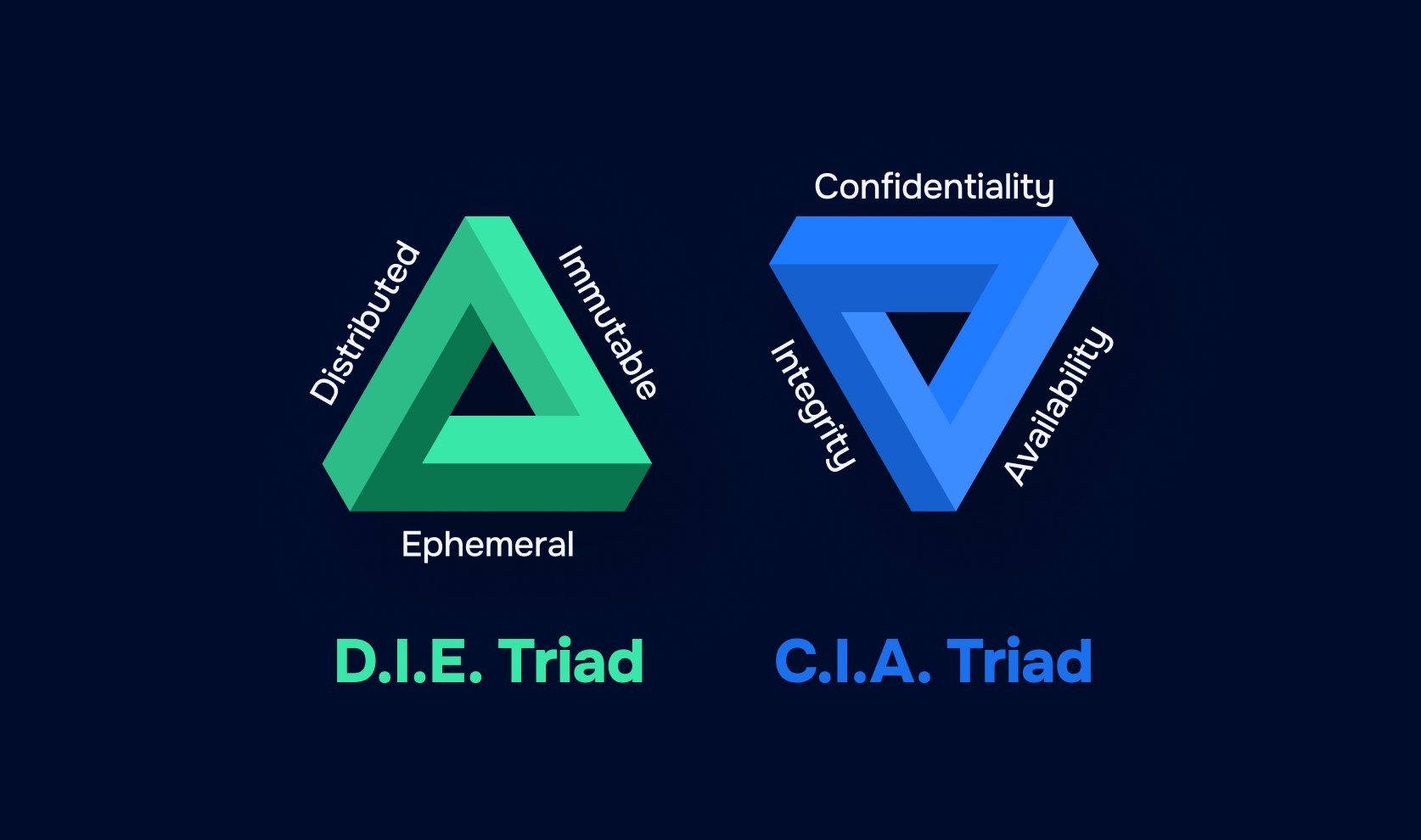
The most common traditional security framework is the CIA triad, Confidentiality,Integrity, and Availability. The confidentiality, integrity, and availability of information is crucial to the operation of a business, and the CIA triad segments these three ideas into separate focal points. This differentiation is helpful because it helps guide security teams as they pinpoint the different ways in which they can address each concern.
Ideally, when all three standards have been met, the security profile of the organisation is stronger and better equipped to handle threat incidents.
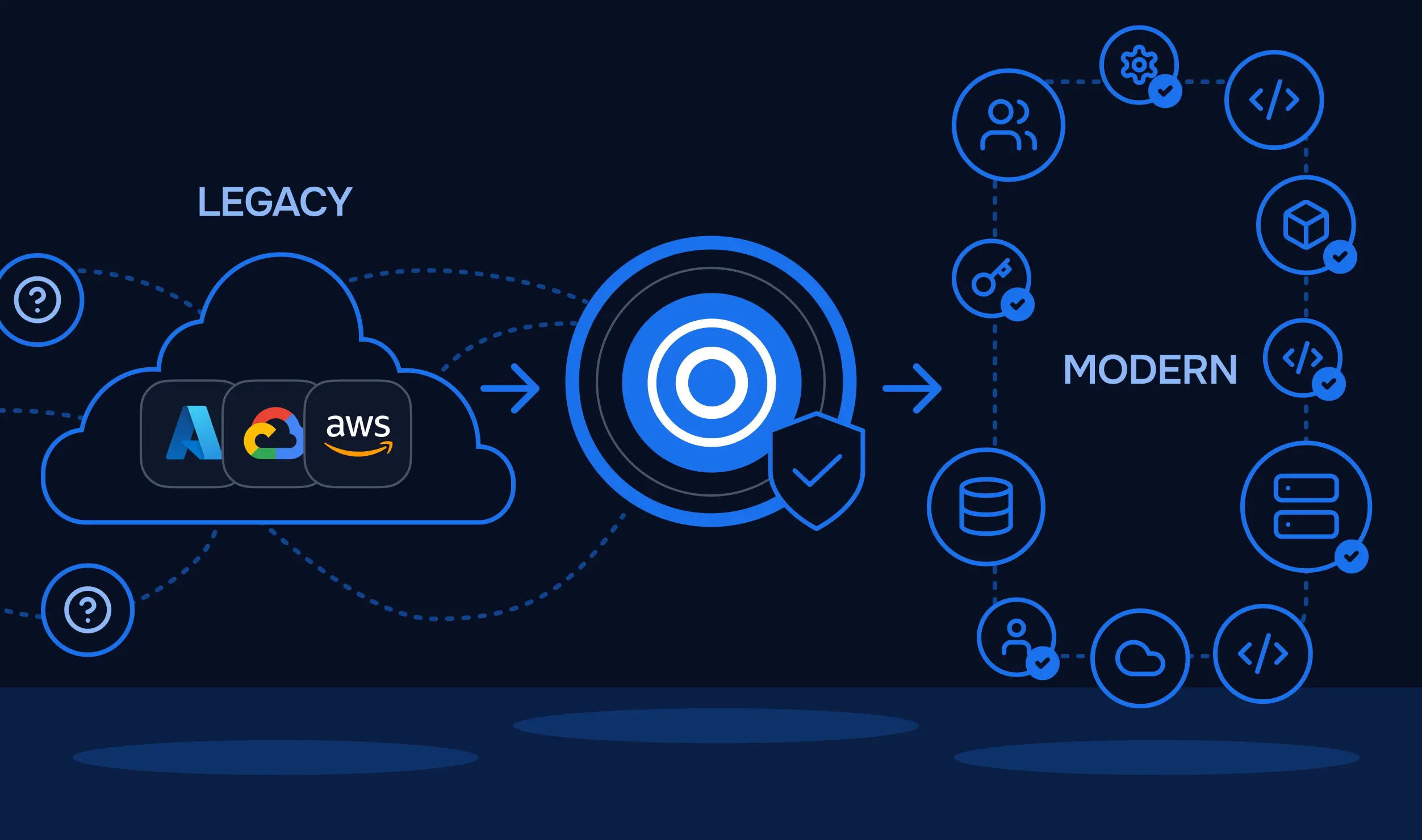
The DIE framework on the other hand, standing for Distributed, Immutable, and Ephemeral, is a modern approach to cybersecurity that focuses on the infrastructure holding data. It complements the traditional CIA triad by addressing the scalability and flexibility needs of modern workloads.
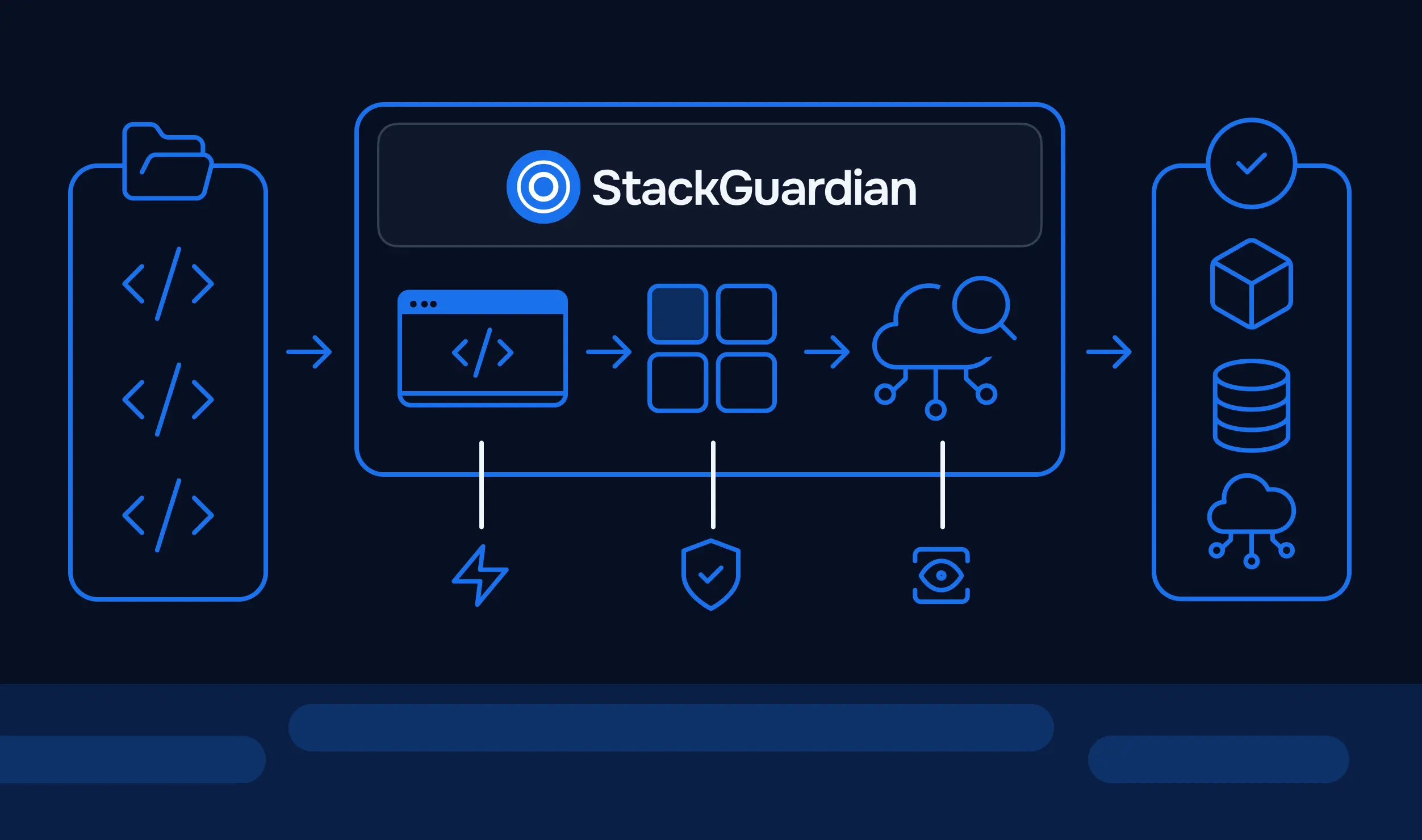
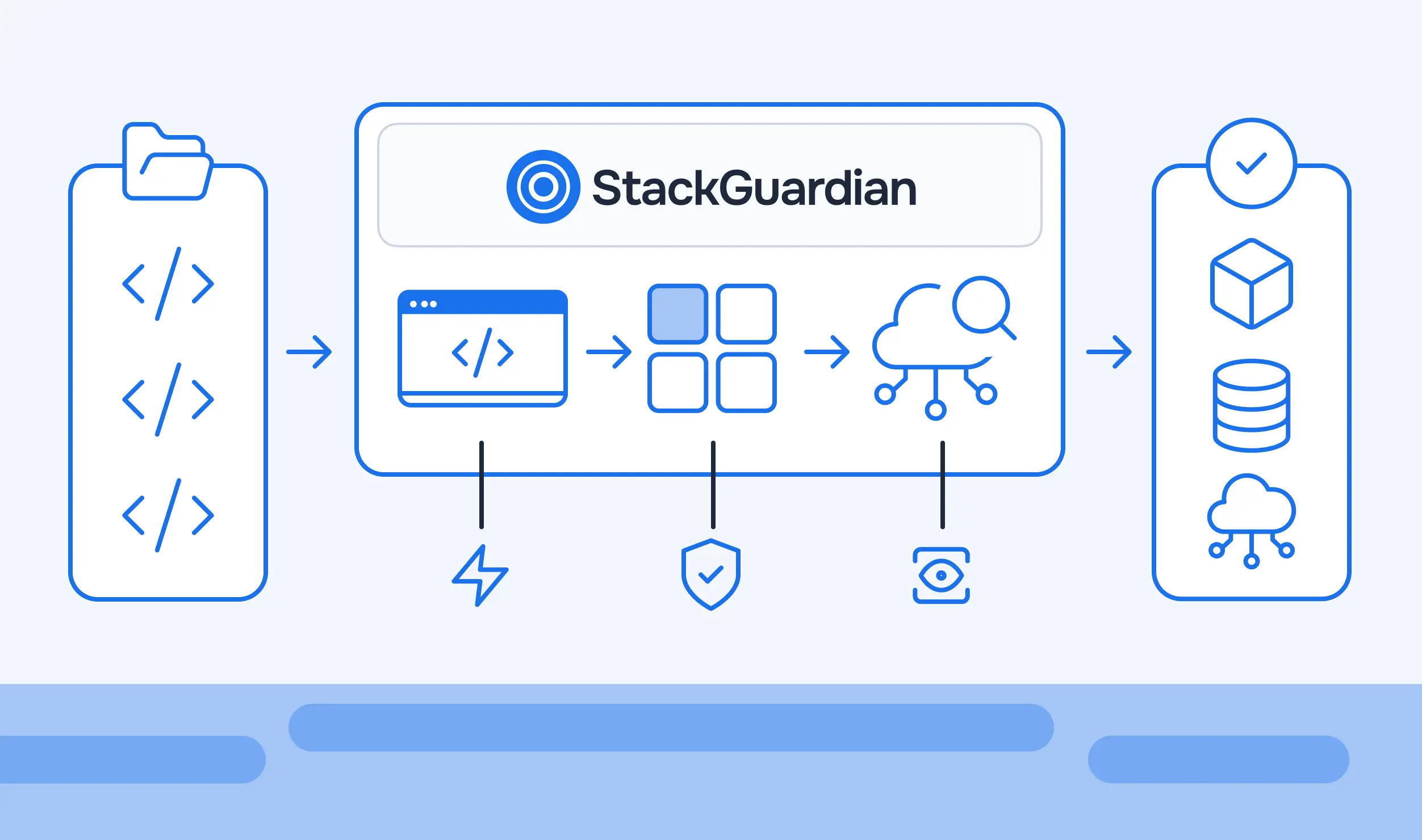
StackGuardian, a platform designed for Infrastructure as Code (IaC) management, aligns strongly with the principles of DIE, offering significant advantages for enhancing cybersecurity.
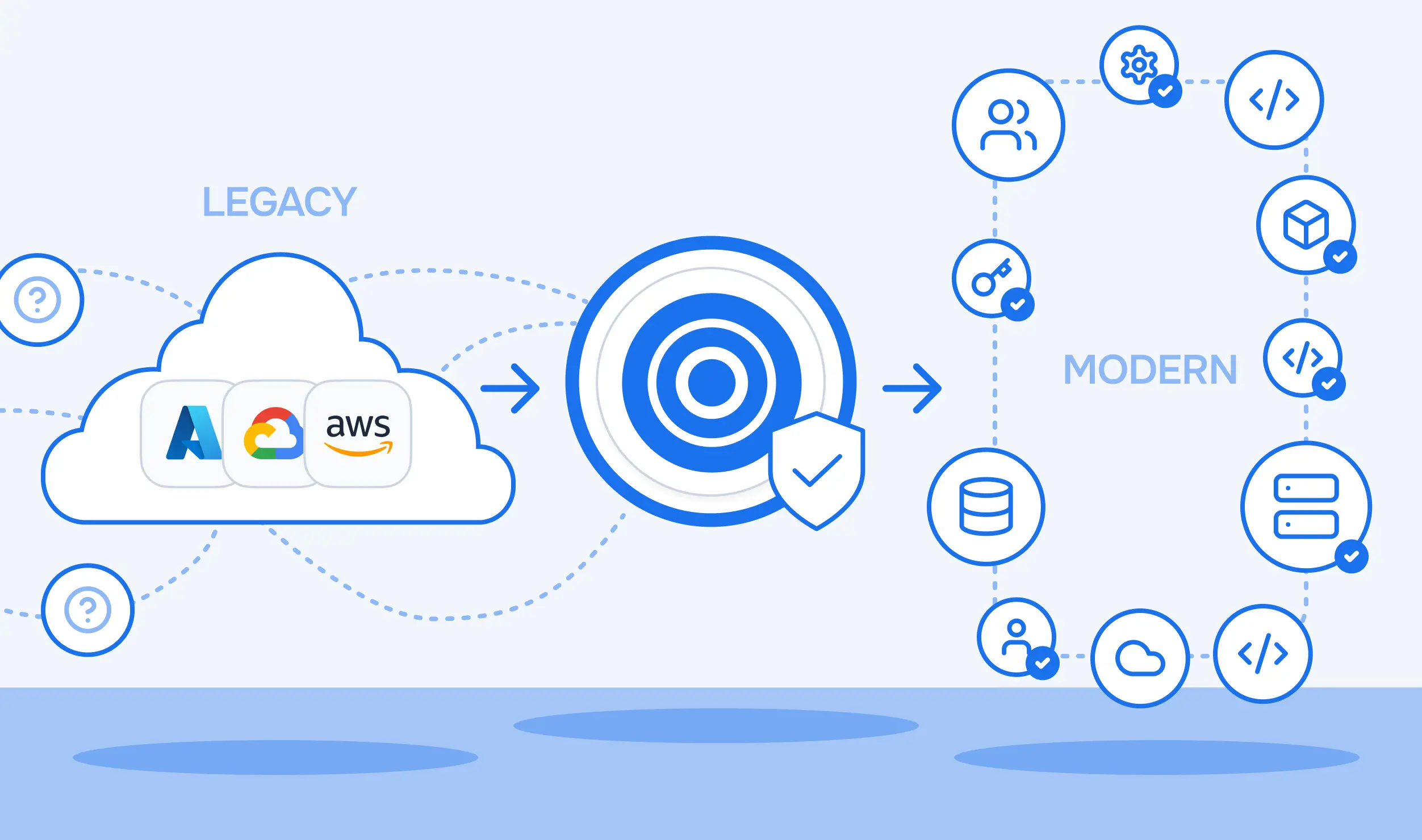
Distributed: StackGuardian supports a distributed systems approach by integrating with major cloud and microservices providers such as AWS, Azure, and GCP. This distributed infrastructure prevents single points of failure, enhances scalability, and makes it harder for attackers to compromise the entire system.
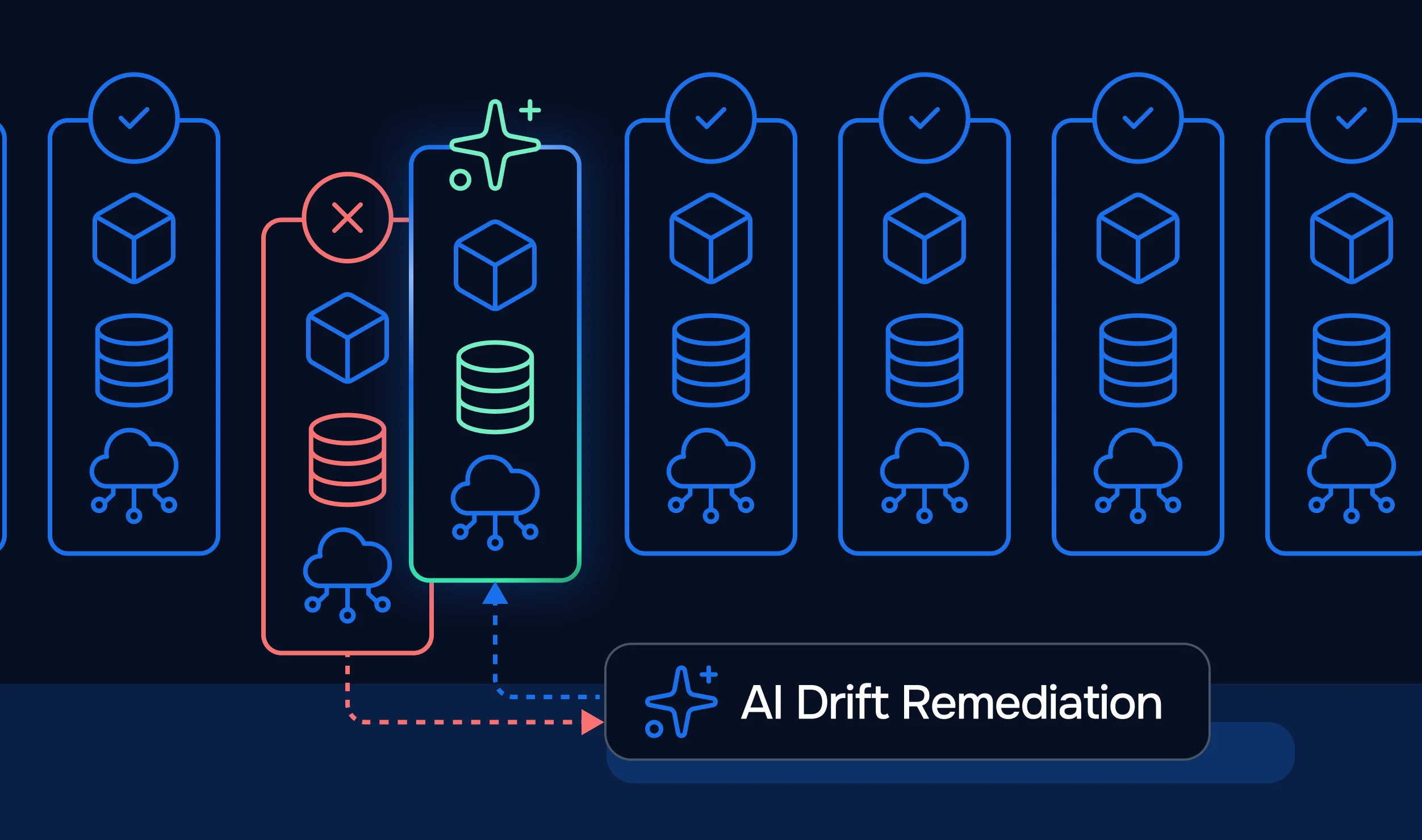
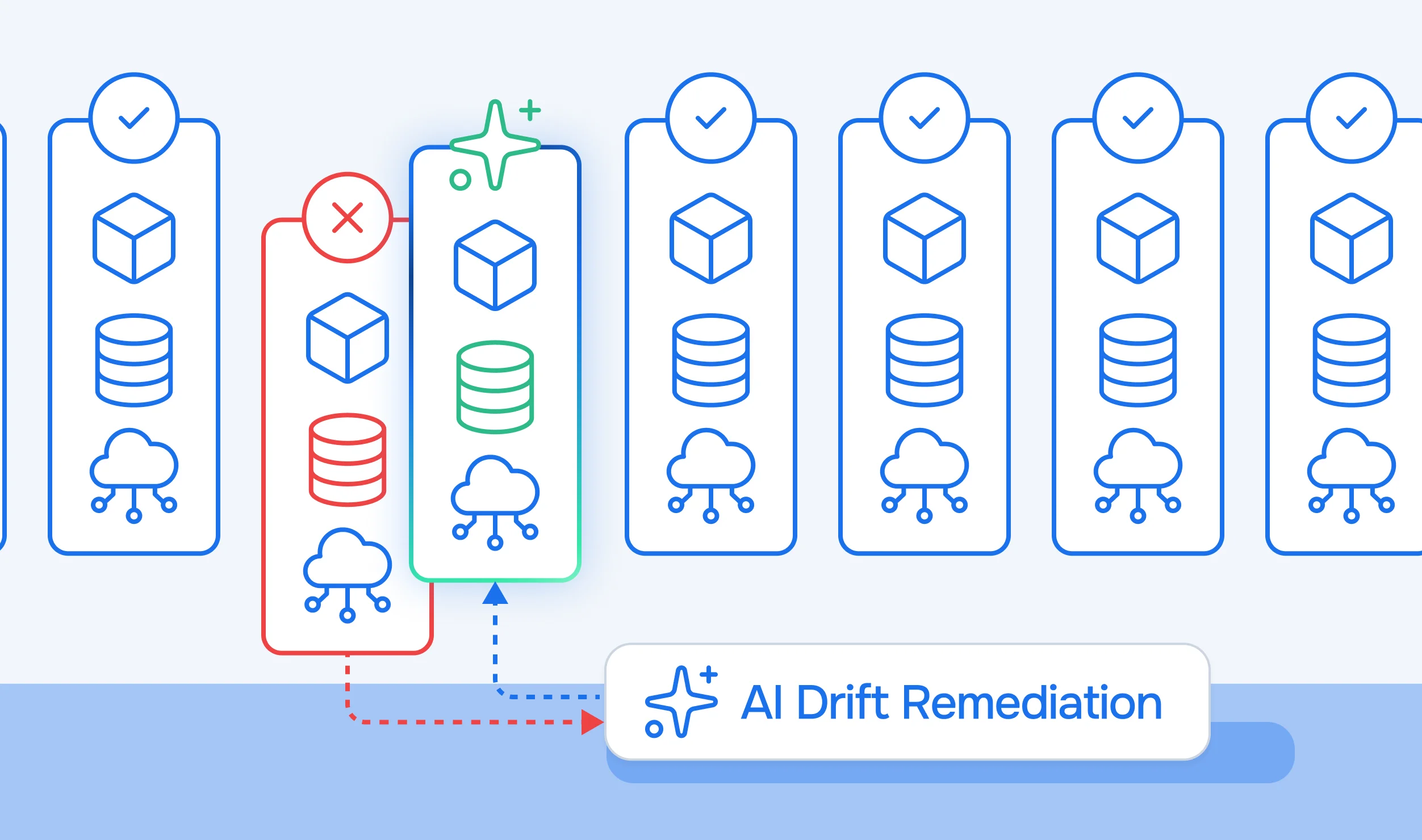
Immutable: StackGuardian facilitates immutable infrastructure through its IaC blueprints and policy enforcement mechanisms. By treating infrastructure as code, changes can be tracked, audited, and automatically applied, ensuring consistency and reducing the risk of configuration drift. Any compromised component can be quickly replaced with a fresh instance built from the same code, limiting the impact of attacks.
Ephemeral: StackGuardian supports ephemeral infrastructure through its automation capabilities, allowing for quick provisioning and de-provisioning of resources. This reduces the attack surface by minimising the time that resources are exposed. Additionally, it allows for rapid recovery from incidents by simply deploying a new, clean environment.
StackGuardian further enhances security by:
- AutomatedSecurity Checks: The platform performs over 1800 automated checks to detect misconfigurations and security vulnerabilities, providing actionable insights based on cloud best practices.
- PolicyEnforcement: StackGuardian allows the creation and enforcement of policies to ensure compliance with security standards. These policies can prevent the deployment of non-compliant infrastructure.
- Self-Service with Governance: StackGuardian empowers developers to deploy infrastructure through self-service while maintaining security and compliance through its policy engine and guardrails. This enables agility without sacrificing security.
By combining the principles of the DIE framework with its robust features, StackGuardian provides a comprehensive solution for securing modern cloud infrastructure. It allows organisations to build a secure foundation that is resilient, adaptable, and scalable, effectively addressing the evolving threat landscape. Ultimately it makes it very hard to do the wrong thing.