~0 min read

Platform engineering has moved into mainstream territory and, over the years, has evolved from a niche practice at tech giants to a non-negotiable requirement among organizations of a certain size and scale. It addresses a fundamental challenge: how do you enable developer autonomy and provide golden paths while maintaining governance, security, and operational standards? Companies such as Spotify and Netflix led the way by first addressing their internal software development challenges, and then sharing their successes with the rest of the world.
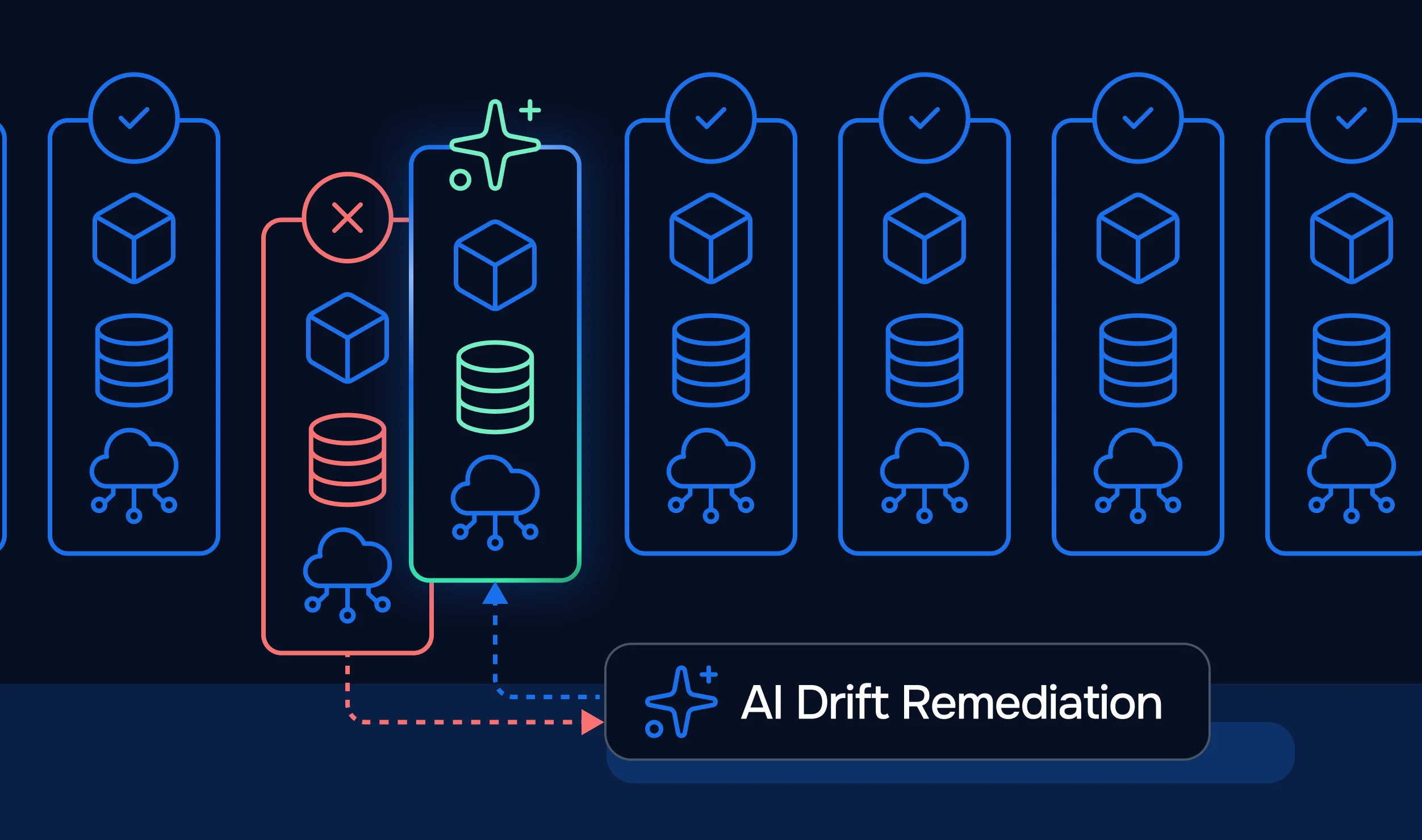
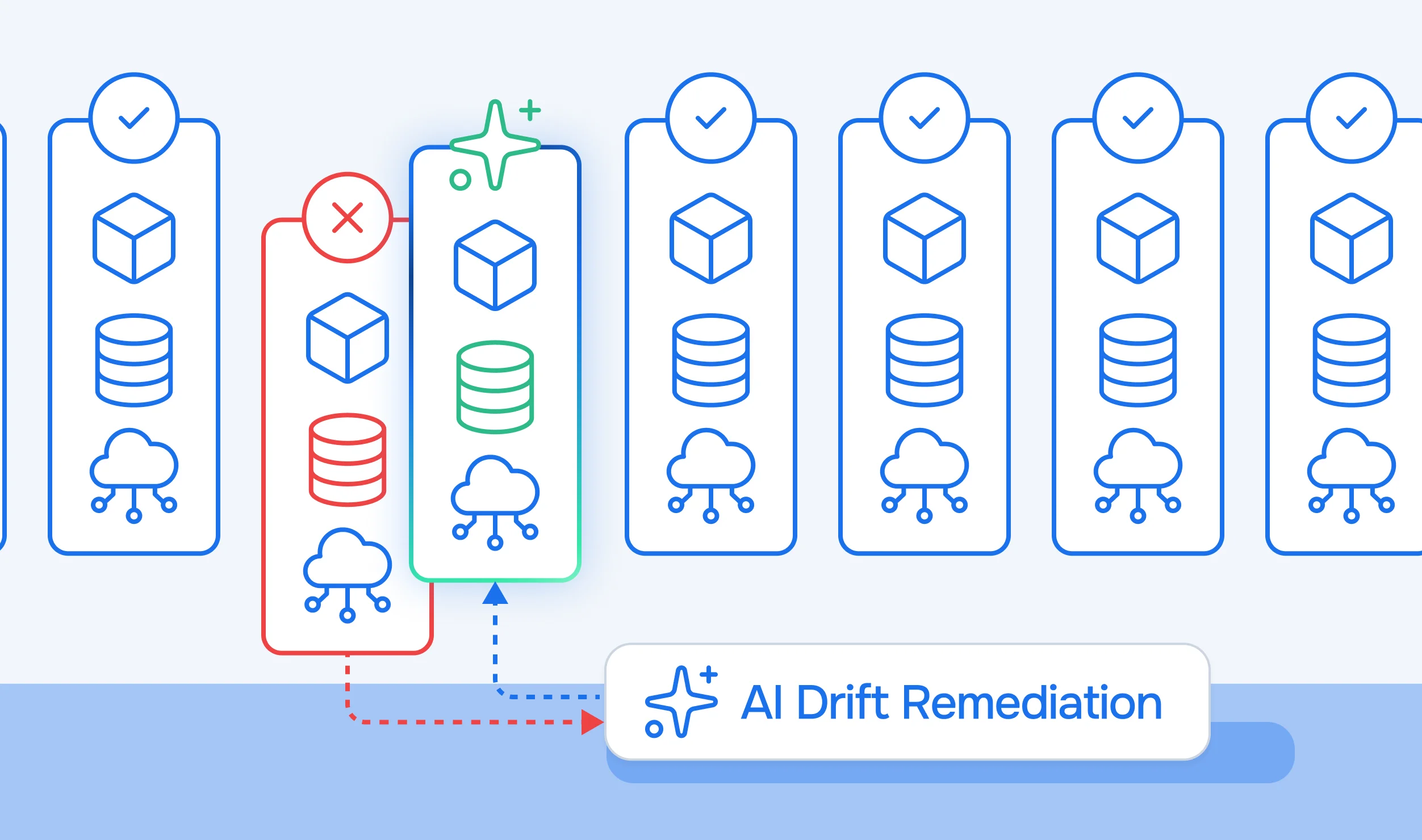
A robust platform engineering practice becomes even more important and complex when bringing AI into the picture. AI-powered platforms can now predict resource needs, automate policy enforcement, and enable natural language infrastructure requests.
Approaches to Platform Engineering
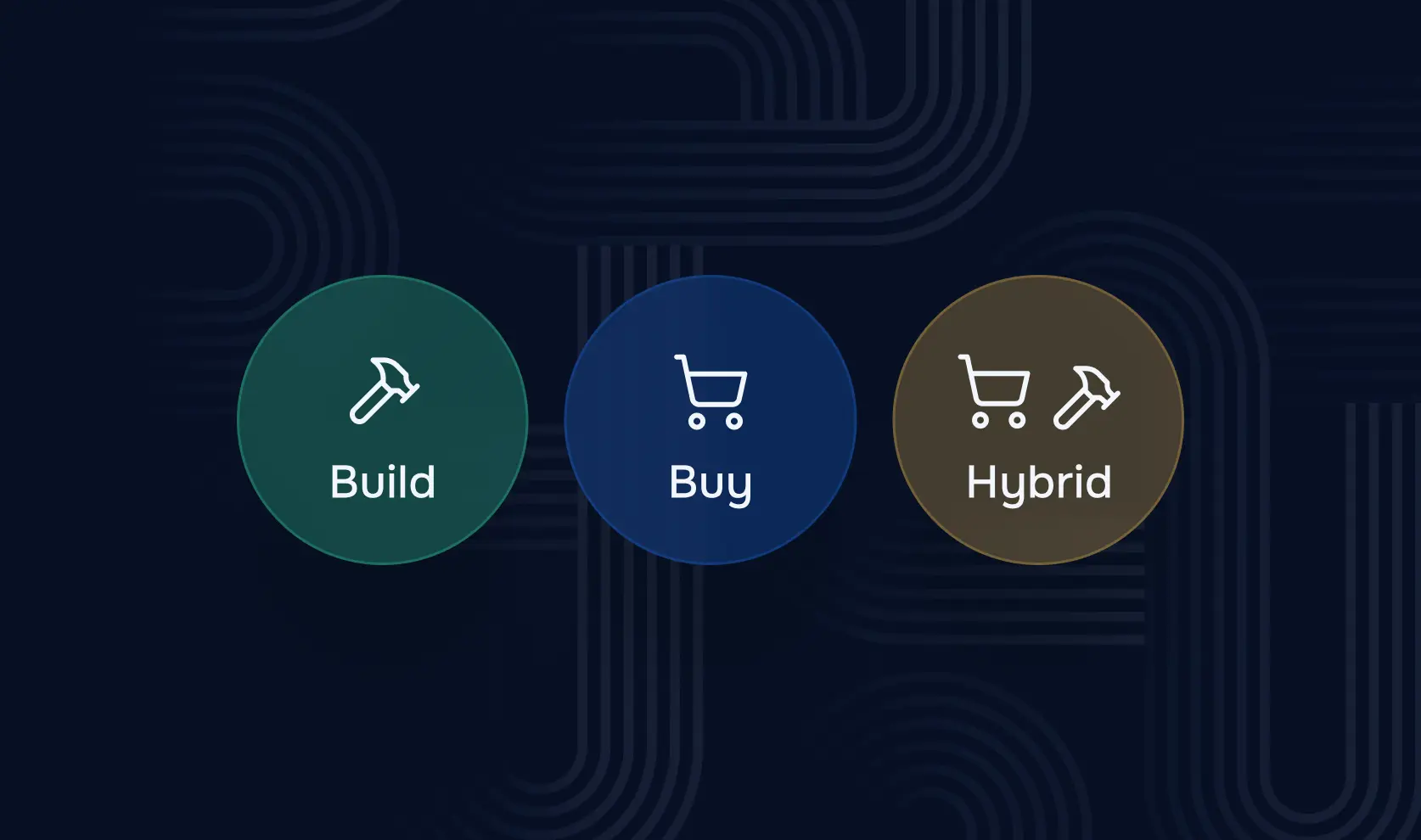
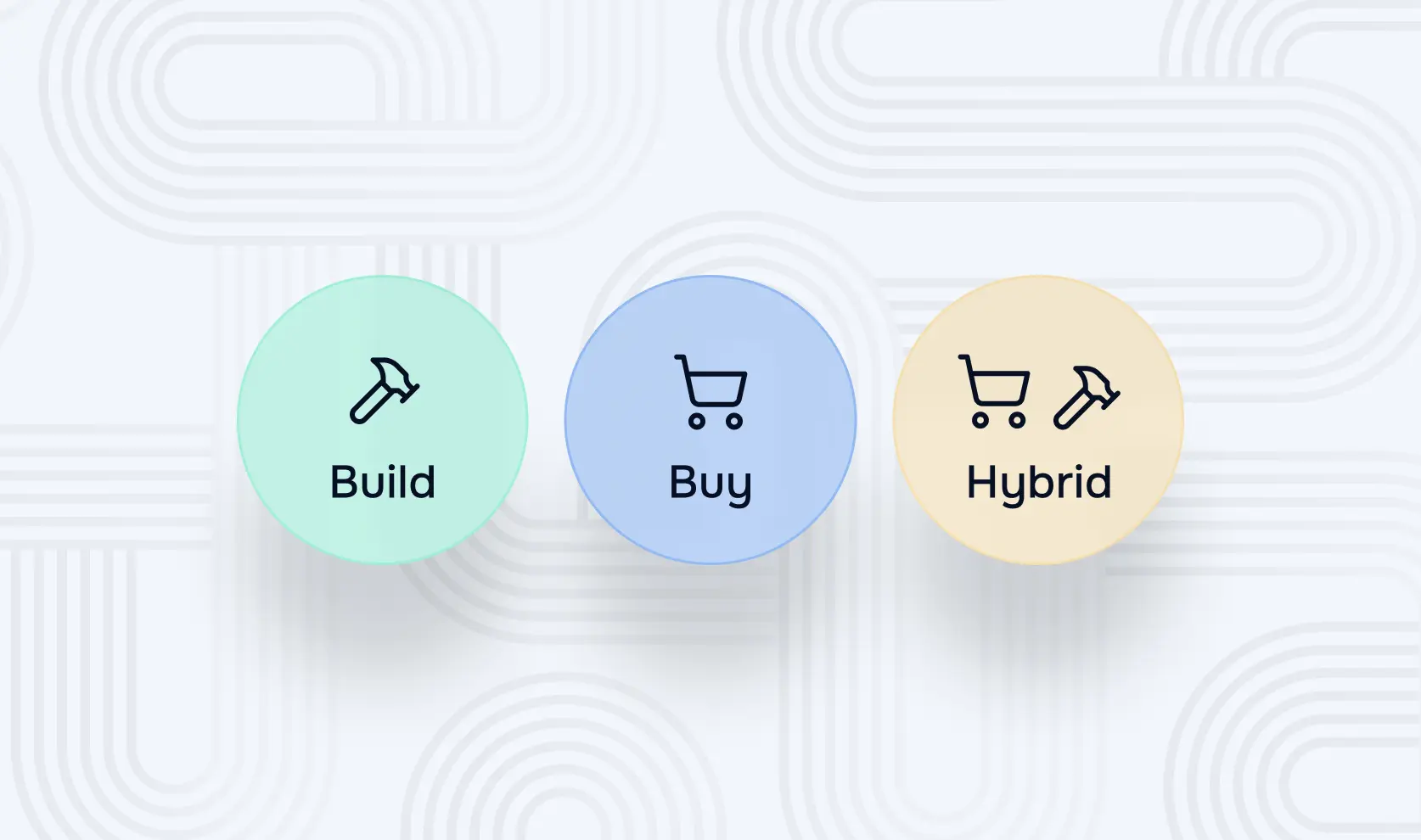
Platform engineering strategies fall into three categories, each with distinct trade-offs. A core strategic decision every platform team faces is whether to build its own platform from scratch, buy a commercial solution, or adopt a hybrid approach. The answer depends on your organization's size, technical capacity, compliance requirements, and strategic goals.
There's no universal solution for how to approach setting up platform engineering practices at an organization. A startup with 20 engineers has different needs than an enterprise with 2,000.
Build Approach
The build approach centers around creating an internal developer platform (IDP) from the ground up, often leveraging open-source tooling and custom code for integrations. Your team has to investigate various tools and select components, such as Kubernetes for container orchestration, Terraform for infrastructure provisioning, and Backstage for a developer portal interface, and assemble them into a cohesive platform.
This approach offers complete control and flexibility over tooling, architecture decisions, integration with existing systems, and the opportunity to define the developer experience from the ground up.
On the other hand, combining various open-source tools into your own purpose-built platform engineering product is a challenging endeavor that requires significant time and effort, along with extensive ongoing maintenance. While the initial work to build a platform might look straightforward and deceptively easy at first, the continuous operational overhead is often underestimated. Consider that your platform must evolve alongside its ecosystem and tools, and that open-source dependencies require constant updates. Even more, to keep innovating, you need to keep investing time and effort in your platform, especially as AI needs to be integrated into infrastructure components and workflows. Without dedicated resources for innovation, platforms could quickly become legacy infrastructure. Maintaining a custom platform requires permanent headcount, ongoing training, and the management of architectural debt.
When Building Makes Sense
Prefer this approach if you have technical expertise in-house and can dedicate technical and product human resources for building a platform. If you have complex requirements that no vendor can address, that should be your path. Organizations that build typically combine open-source foundations with proprietary glue code. Building also makes sense when your platform is a strategic differentiation. Netflix views its platform as a competitive advantage and has built it using standardized tools and services that make deployments easy. Spotify created Backstage as its internal portal before open-sourcing it. These platforms didn't emerge overnight. They evolved over the years with dedicated teams.
Buy Approach
The buy approach means licensing a commercial IDP or Platform-as-a-Service (PaaS) offering. These solutions offer ready-to-use platforms streamlining infrastructure orchestration, self-service provisioning, best practices, governance, and insights.
The main benefit of this approach is that implementation typically takes weeks instead of months. These solutions can save you a ton of time, effort, and resources by helping you figure out which tools to select, how to combine them effectively, and how to embed best practices into your product. Another advantage of this approach is that these vendors have dedicated customer success teams that can help you hit the ground quickly and succeed with their tool, and also offer support plans as part of their subscription models.
The main trade-off is the lack of flexibility. These platforms come with predefined tooling, standardized workflows, and best practices that you have to adjust to. If you need extensive customization or have complex legacy integration requirements, you should investigate whether commercial solutions are a good fit.
When Buying Makes Sense
Prefer this approach if you want to get started quickly and don’t have extensive in-house expertise and resources to dedicate to a custom solution. Commercial platforms offer speed and reduced complexity. You get production-ready infrastructure in weeks rather than months. Vendor support handles maintenance, updates, and troubleshooting. Buying works well for organizations with standard workflows. If your development process resembles common patterns such as microservices on Kubernetes, GitOps deployments, and standard CI/CD, then commercial platforms fit naturally. Limited platform engineering talent also drives buy decisions. If you can't hire experienced platform engineers, or your existing engineers focus on product development, commercial platforms provide expertise through vendor teams.
Hybrid Approach
The hybrid approach combines commercial platforms with custom development. The reasoning here is that you buy a foundation with established core workflows that is extensible, and then build extensions for specialized needs. Another flavour of this approach is to actually start the opposite way by building your own core platform services and selectively buying tools that fit your needs and complement your platform, such as monitoring or security tooling.
This strategy balances speed with flexibility by avoiding spending time on solved problems while retaining the ability to customize what differentiates your organization. A hybrid implementation takes more time than simply buying an offering and sticking to its features and functionality, but it is considerably faster than building your own. The risk is also distributed with this approach. You're not entirely dependent on vendor roadmaps, but you're also not solely responsible for everything either. If a commercial component doesn't work out, you can replace it without rebuilding your entire platform.
When Hybrid Approaches Make Sense
Nowadays, many mature platform teams adopt hybrid approaches to meet their specific needs. Hybrid approaches work well for mid-market and enterprise organizations that need both speed and customization. You want quick wins from commercial platforms but need specific capabilities they don't provide. This strategy fits organizations with existing extensive infrastructure and systems.
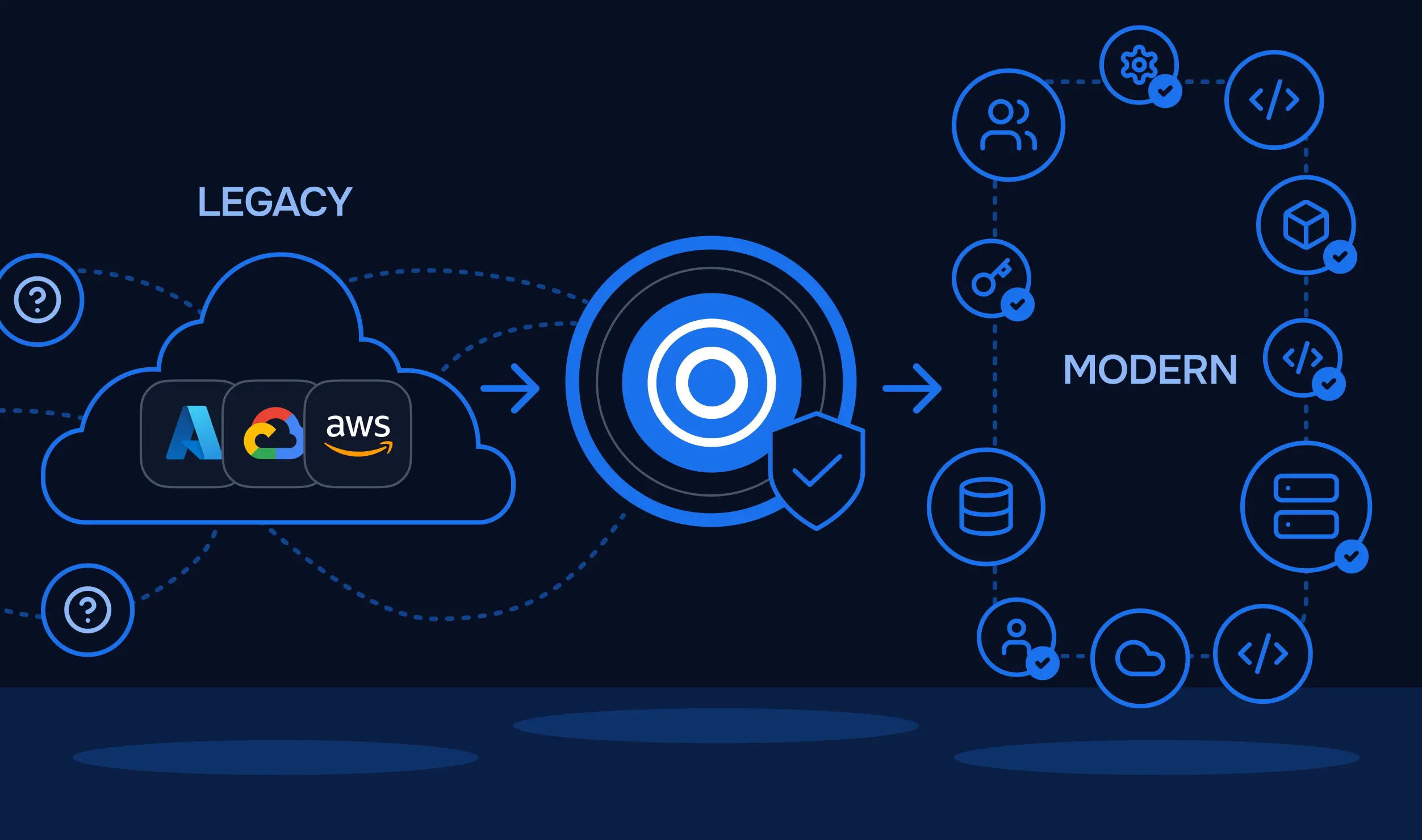
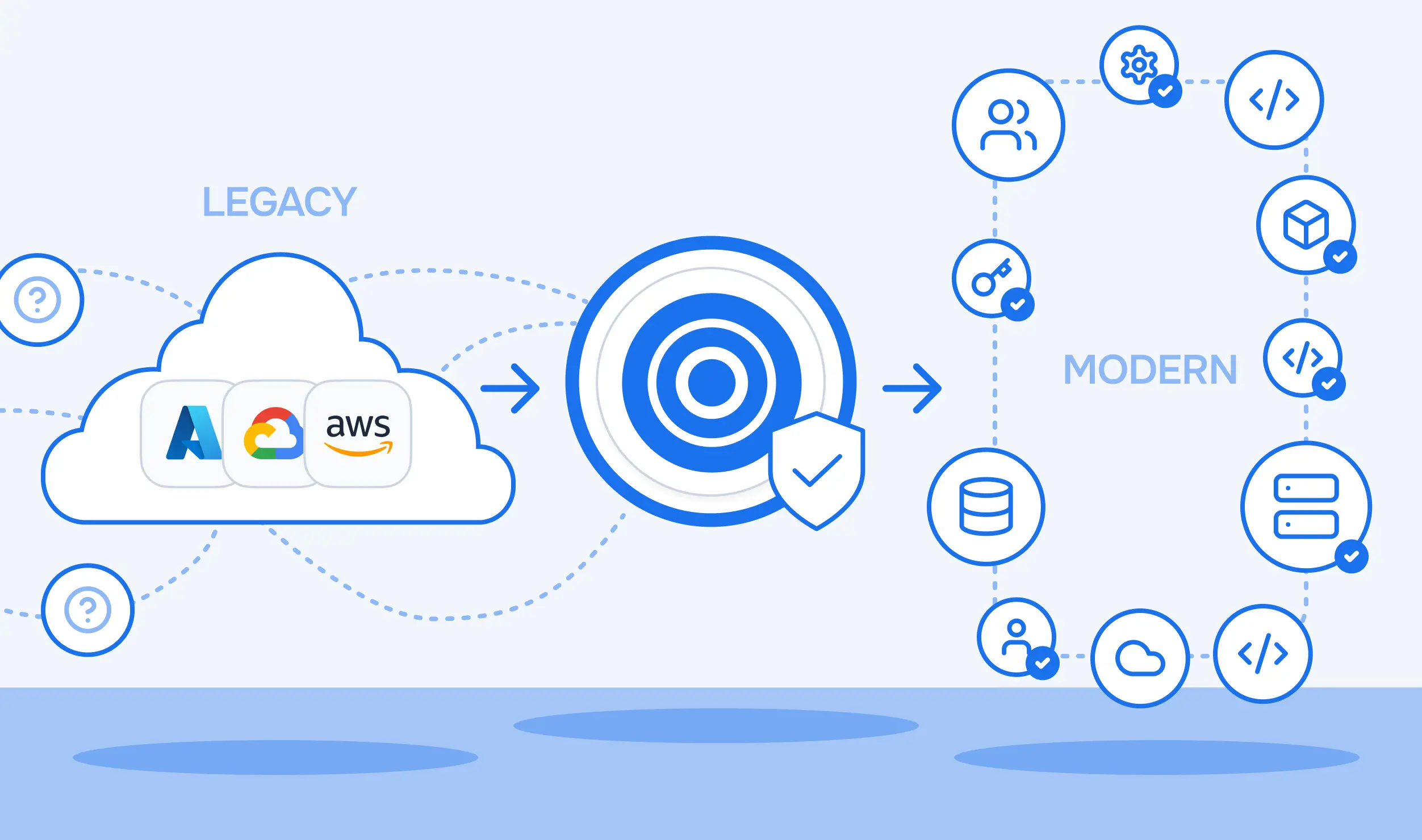
The focus with this approach is to buy tools that integrate with your current systems, then build connectors and extensions for legacy technology that the vendor doesn't support. You avoid replacing everything at once while progressively modernizing your infrastructure. Hybrid strategies also make sense when you have some platform engineering capacity but not enough to build everything. Your team focuses on high-value custom development while leveraging commercial solutions for solved problems.
Platform teams use Infrastructure as Code (IaC) tools like Terraform or Pulumi as a foundation, then layer commercial platforms like StackGuardian for governance, policy enforcement, and self-service interfaces. The IaC provides flexibility, while the commercial platform adds guardrails and developer experience improvements.
Which Approach Should You Choose?
Choosing the approach that fits your teams and your organization is not always a straightforward decision. You have to consider factors such as organizational structure and tech team size, costs, and requirements for customization, flexibility, and control. You also need to understand the realistic timelines for each of these approaches and the expected time-to-value.
Early-Stage Startups
For early-stage startups with fewer than 50 employees, spending a lot of time building a platform is not a good use of your time while you focus on product functionality, proving customer value, and product-market fit. In these cases, most startups lack the engineering capacity to build and maintain a custom platform and should lean into buy or light hybrid approaches with commercial offerings. Light customization might include integrating your CI/CD tool or adding company-specific templates. Resist the urge to build extensively, as your goal should be to enable developer productivity quickly.
Mid-market and Scaleups
Mid-market and scale-up companies with 50-500 engineers face their first scaling problems but haven’t reached enterprise complexity yet. In such cases, some standardization is needed across multiple teams, but without full-on enterprise-level investments. The hybrid approach works well here. Consider buying a commercial platform for core developer workflows, environment provisioning, CI/CD, and orchestration. Then build integrations for systems the vendor doesn't support natively. Create custom workflows for compliance requirements specific to your industry. In this approach, a small platform team focuses on integration and customization rather than building everything from scratch. They become expert users of the commercial platform while filling gaps with targeted development.
Enterprises
Enterprises with 500+ engineers need sophisticated platforms and often a combination of vendor solutions. The typical enterprise IT landscape includes legacy systems, multiple clouds, complex compliance requirements, and diverse technology stacks. In these cases, a hybrid approach is necessary. The enterprise hybrid approach starts with buying or building a solution for the core orchestration and integration layers. Then you selectively buy and integrate tools for specific capabilities. Enterprise platform teams involve multiple engineers and operate like product organizations, treating the platform as an internal product with developers as customers.
How StackGuardian Addresses Platform Engineering Challenges
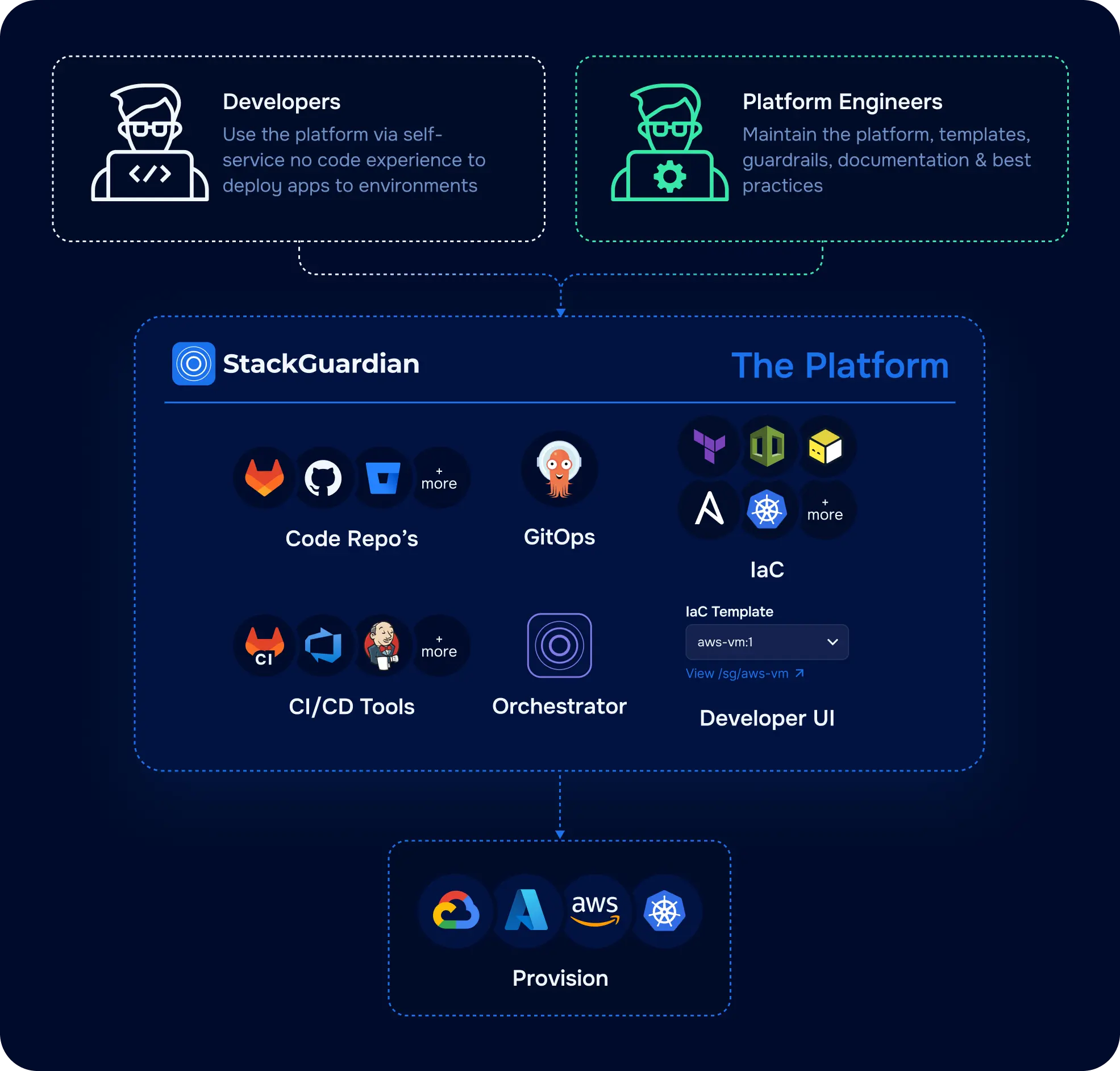
StackGuardian is a hybrid-friendly platform that enables governed self-service, offering flexible extension capabilities. The platform fits nicely with both the buy and hybrid approaches since it provides a foundational layer, integrates natively with cloud providers and IaC tools such as Terraform, OpenTofu, Ansible, and Pulumi, and works with your current CI/CD pipelines and version control systems.
This makes StackGuardian ideal for hybrid strategies where you've already invested in IaC but need better governance, policy enforcement, and self-service capabilities. For buy-first strategies, StackGuardian provides the governance layer that many pure PaaS solutions lack. It bridges the gap between developer agility and operational control.
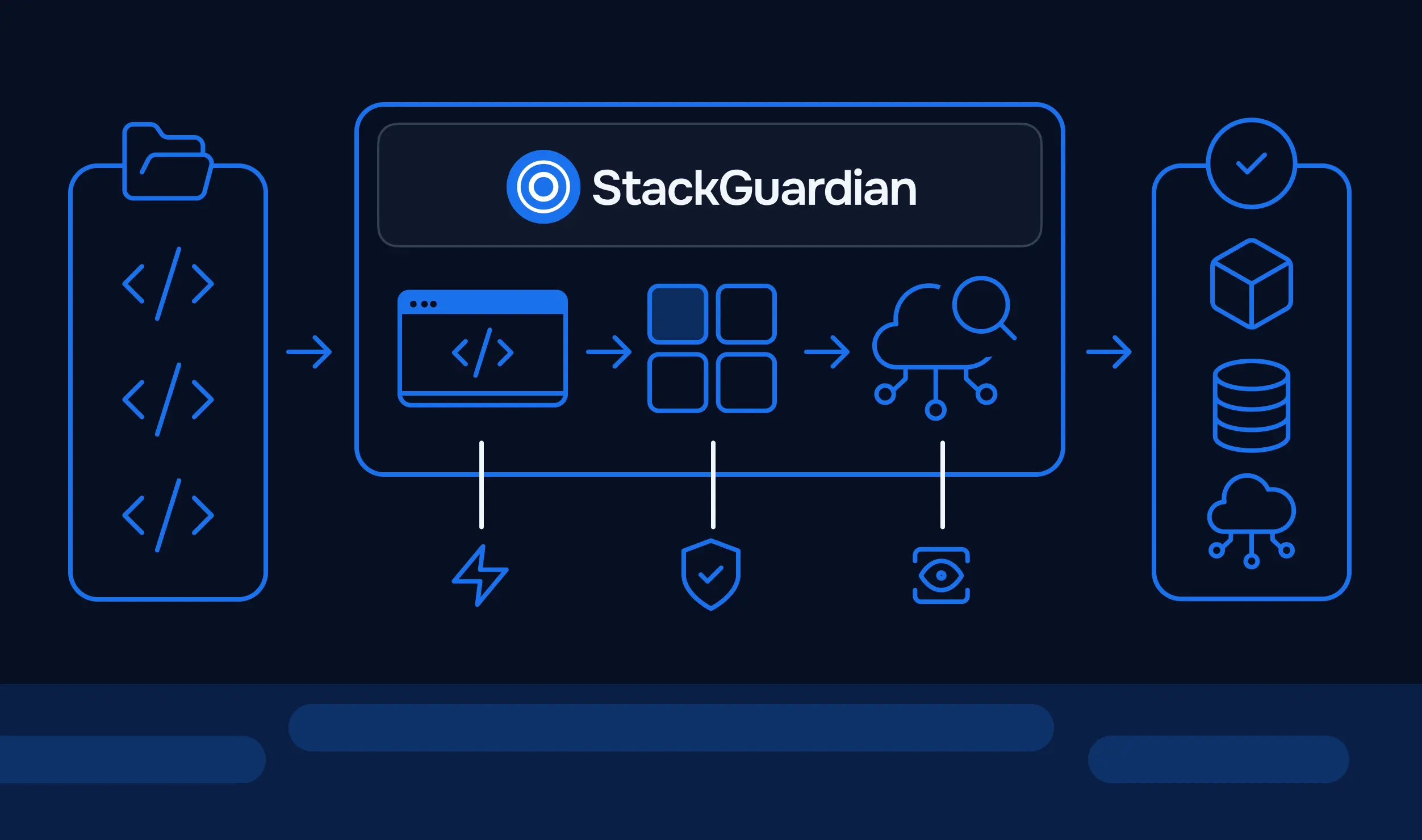
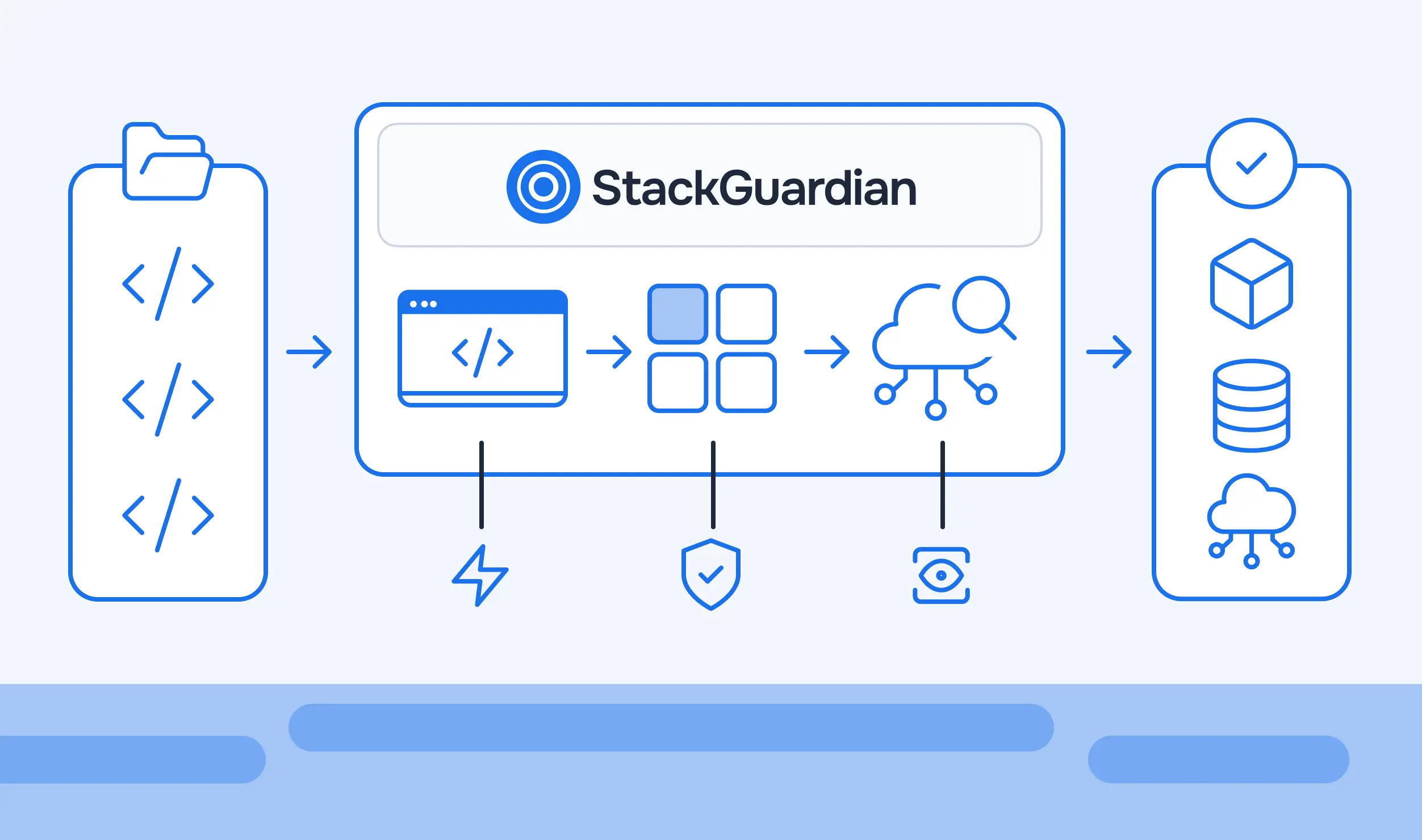
The platform follows a three-phase approach: Discover, Develop, Deploy.
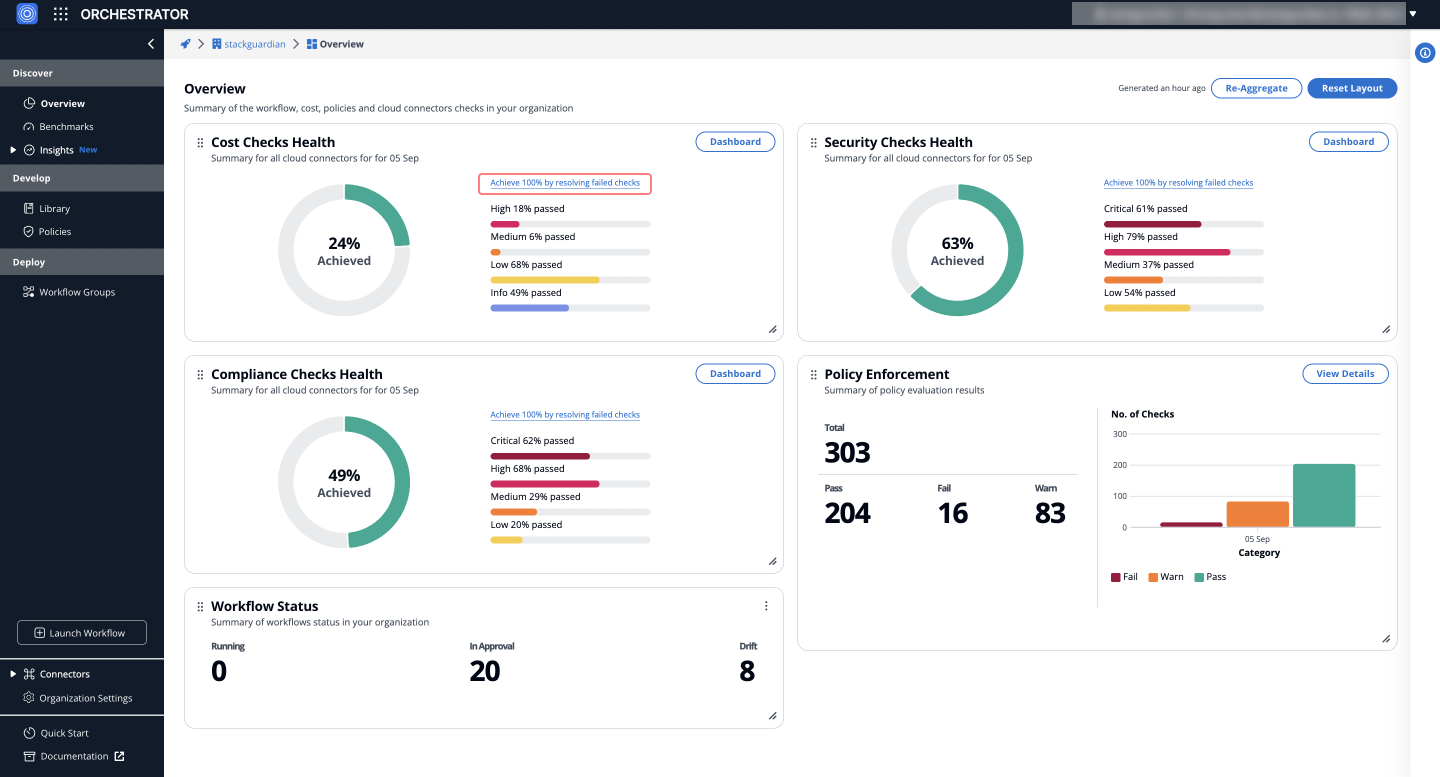
In the Discover phase, StackGuardian connects to your AWS, Azure, and GCP accounts and performs 1,800+ automated checks on existing infrastructure. It identifies insights such as misconfigurations, security issues, and cost optimization opportunities across resources deployed via IaC or click-ops. This visibility helps platform teams understand their current state before implementing changes.
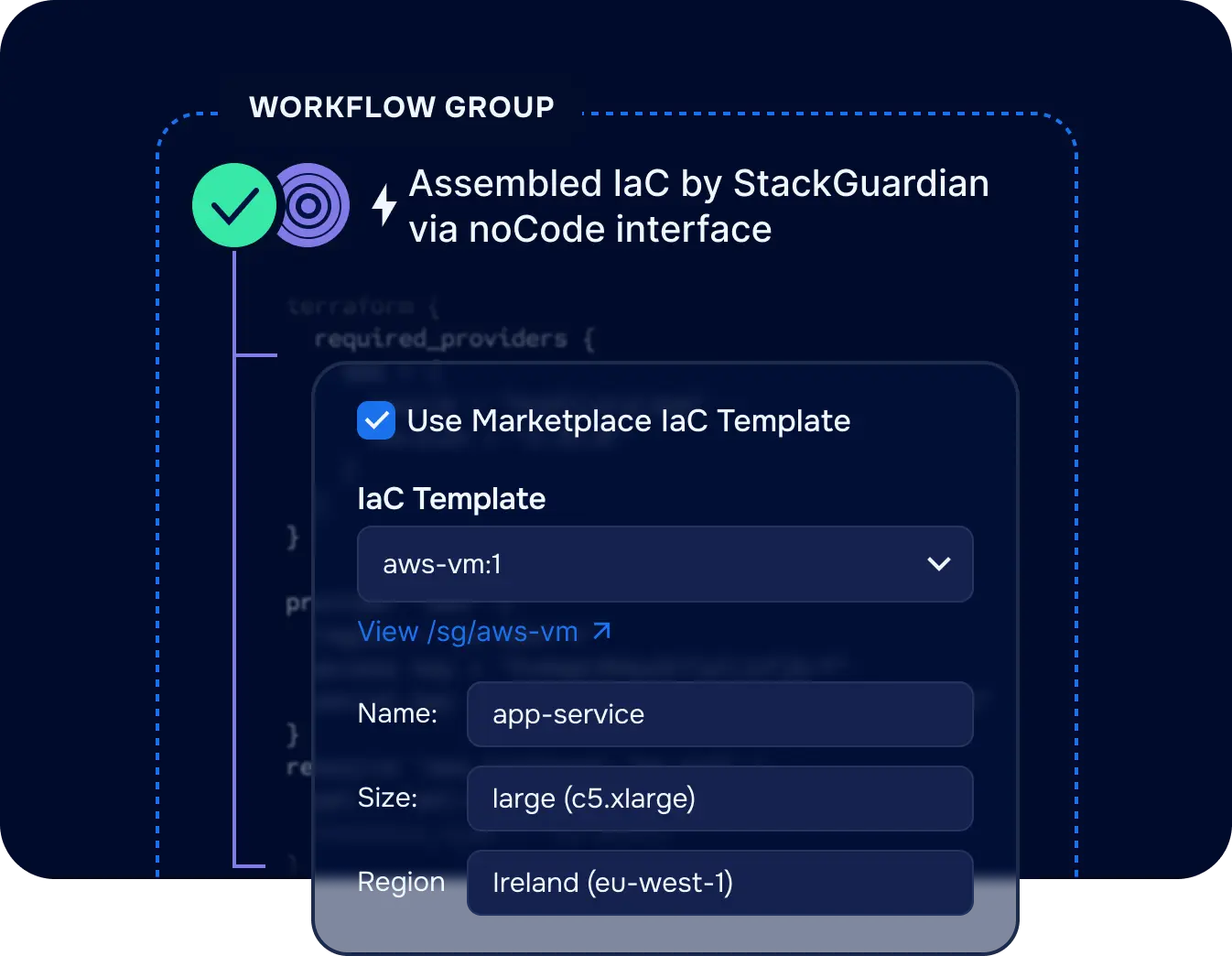
The Develop phase lets you establish guardrails based on discovered insights or pre-defined best practices. You create IaC blueprints that combine various IaC tools into production-grade environment templates. Lifecycle management keeps deployments up to date with the latest policies, continuously enforced.
In the Deploy phase, developers leverage self-service to deploy infrastructure blueprints using StackGuardian's no-code interface or integrate into existing GitOps workflows. The platform enforces policies during deployment, ensuring compliance without blocking developer velocity.
StackGuardian also supports AI-enhanced platform engineering capabilities. The platform integrates with AI components for natural language infrastructure requests and intelligent policy development. These features position it well for organizations exploring AI-driven platform engineering without committing to building AI capabilities in-house.
Key Points
Platform engineering strategies should match organizational maturity and constraints. Early-stage startups benefit from buying commercial platforms to maximize speed and minimize overhead. Mid-market companies gain value from hybrid approaches that provide standardization while allowing customization. Enterprises need sophisticated hybrid or build strategies to address complex compliance and integration requirements.
Although we see AI and agentic implementations becoming increasingly involved in software and platform engineering, human judgment remains indispensable. Use your best judgment to navigate such decisions, as there is no universal best approach. Most organizations will revisit this decision as they grow. A startup that buys initially may adopt hybrid approaches as it scales. An enterprise that builds might incorporate commercial tools for specific capabilities over time. Treat your platform as a product, not a project. Whether you build, buy, or combine approaches, successful platforms require ongoing investment, user research, and iterative improvement.
Ready to start your platform engineering journey? StackGuardian’s platform can provide a foundational layer for safely implementing platform engineering practices at scale. Book a demo today!
Last updated
July 31, 2026
Published
December 5, 2025
Share article
Type
Articles
Topics
Strategy