IaC: Best Practices & Implementation
Infrastructure as Code Best Practices & Implementation – transforming brittle, manual processes into repeatable blueprints for modern cloud operations.
Infrastructure as Code Best Practices & Implementation – transforming brittle, manual processes into repeatable blueprints for modern cloud operations.

Now, picture instead declaring your infrastructure components in clean, version-controlled code that always deploys identical environments. That’s the power of Infrastructure as Code (IaC) – transforming brittle, manual processes into repeatable blueprints for modern cloud operations. For DevOps teams that would otherwise drown in ticket queues and inconsistent environments, IaC isn’t just a buzzword; it’s an automation revolution.
For decades, IT teams relied on manual processes to configure servers, deploy applications, and manage infrastructure. Engineers would spend days or weeks logging into individual machines, running command-line scripts, and clicking through GUIs to provision resources. Scaling required expensive hardware upgrades and caused substantial downtime, while over-provisioned resources wasted millions annually.
This approach worked fine in an era of static, on-premises data centers, but it’s not suited to modern cloud and dynamic environments. Manual workflows often introduce risks like inconsistent configurations, human errors, and security gaps from ad-hoc firewall rules or access policies.
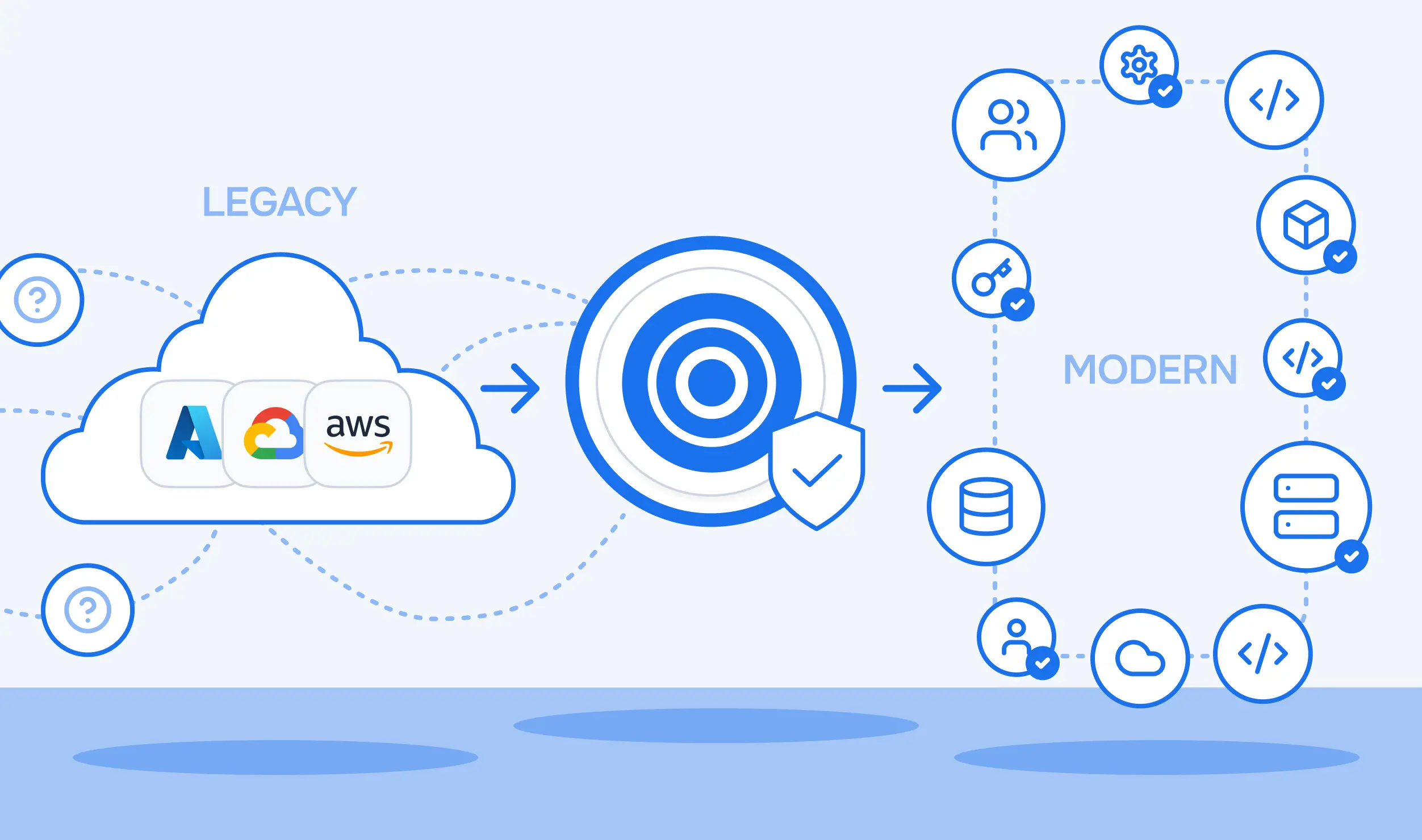
By defining infrastructure in version-controlled, executable code, IaC replaces error-prone manual processes with automated, repeatable workflows. Let’s break down how it solves traditional challenges:

IaC ensures any environment, such as development, staging, and production, is built from the exact blueprint. Teams deploy identical environment setups with a single code commit, eliminating human error. This standardization ensures reliability at scale, drastically reducing outages from manual misconfigurations.
Security shifts from reactive audits to proactive enforcement. IaC templates incorporate compliance requirements and security checks and scan for vulnerabilities before provisioning. For example, we can set up flows to automatically reject infrastructure provisioning that doesn't adhere to best practices, such as having correct tags or encryption options enabled.
IaC prevents budget leaks from idle resources. Self-service portals powered by IaC behind the scenes let developers spin up pre-approved environments in minutes. Tagging policies in the code enforced by IaC ensure that every resource has an owner and cost center. FinOps integrations with IaC tooling let teams estimate and track cloud spend in real time to make informed decisions and charge back to business units accordingly.
IaC turns infrastructure scaling from a bottleneck into a competitive advantage. By leveraging IaC and automation, even small teams can operate and orchestrate complex cloud environments. Compare this to legacy workflows, where scaling often required weeks of capacity planning, guessing, and manual infrastructure provisioning.
Gone are the days when engineers manually provisioned servers or logged in to virtual machines to debug deployment issues. IaC automates repetitive tasks like spinning up virtual machines and clusters, configuring load balancers, or applying security patches while providing you with extensive monitoring and logging capabilities. Modern IaC tools offer robust options to roll back failed deployments and perform post-deployment automated actions. Self-service portals powered by IaC let developers provision pre-approved environments in minutes instead of relying on filing tickets and relying on operations teams, accelerating feature delivery and value creation for organizations.
Adopting IaC is just the first step. Organizations must embrace best practices that maximize efficiency, security, cost control, developer experience, and scalability to unlock IaC’s full potential.
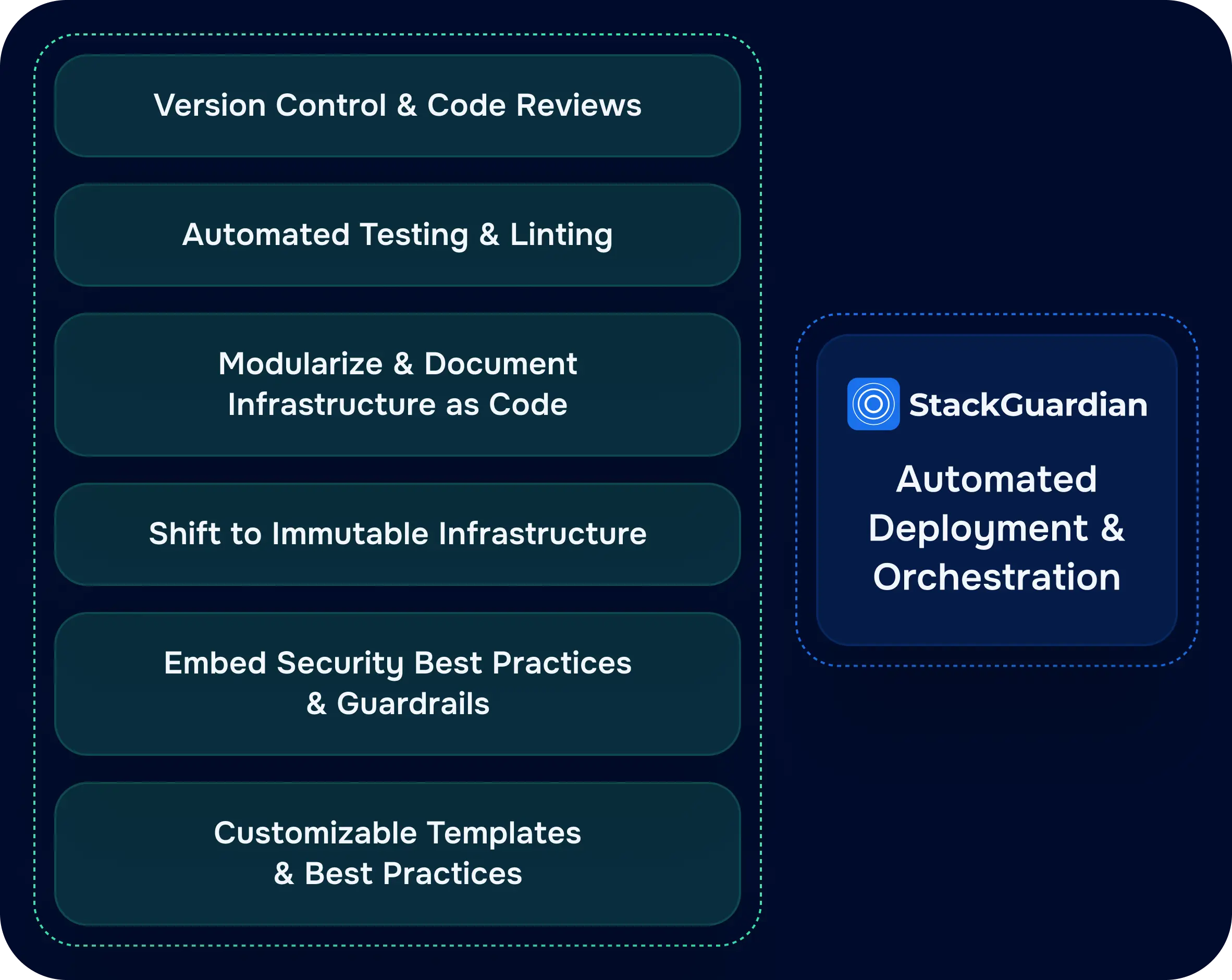
Treat your infrastructure code with the same principles as your application code. Store all IaC templates in Git repositories, enabling teams to track changes, roll back errors, and collaborate effectively. Implement branch protection rules and require pull requests for infrastructure changes.
Leverage CI/CD pipelines in combination with a platform orchestrator to automate infrastructure deployments. Tools like Jenkins, GitLab CI, or GitHub Actions can trigger infrastructure updates based on code commits. This shift towards "GitOps" ensures that your infrastructure always matches the desired state in your repository. Platform engineering teams can create self-service portals, allowing developers to provision pre-approved environments without manual intervention.
Don't wait for production to catch misconfigurations. Implement automated tests that validate your infrastructure code before deployment. Suppose you are using Terraform, for example, tools like Terratest, TFLint, and Kitchen-Terraform can simulate real-world scenarios, catch syntax errors and style violations, and allow you to write automated tests.
Break down complex infrastructure into reusable modules. Instead of monolithic and massive templates, create smaller, purpose-built components for the different parts of your system, such as networking, security, or database layers. This modular approach improves maintainability and allows teams to compose complex environments from pre-tested building blocks. Embed documentation directly within your IaC files using tools like Terraform-docs. This ensures that documentation stays current with code changes.
Embrace the concept of treating servers as disposable resources. Instead of patching in place, deploy entirely new instances with updates baked in containers and machine images. This approach, combined with blue-green deployments, has been proven to reduce downtime and simplify rollbacks.
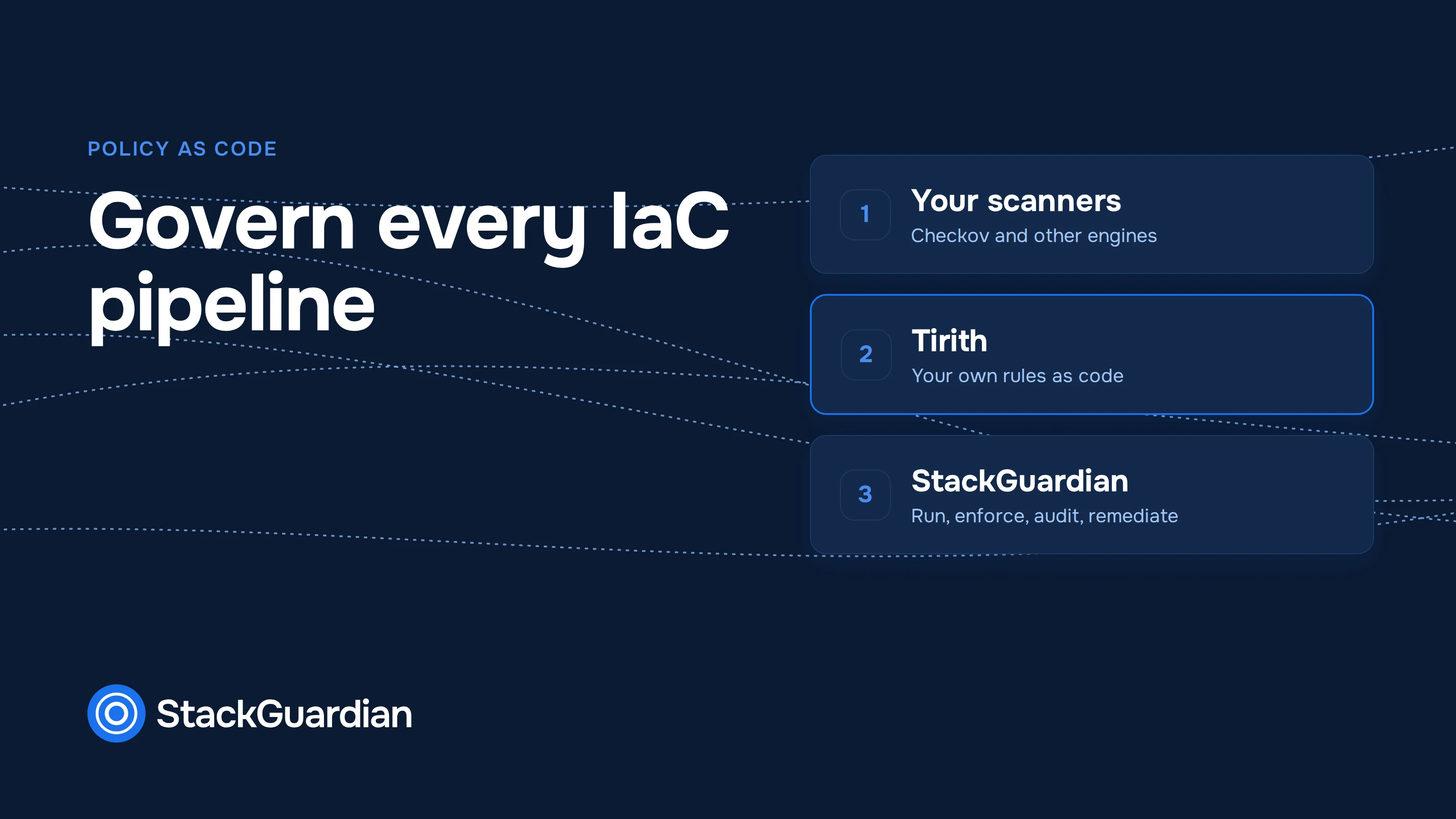
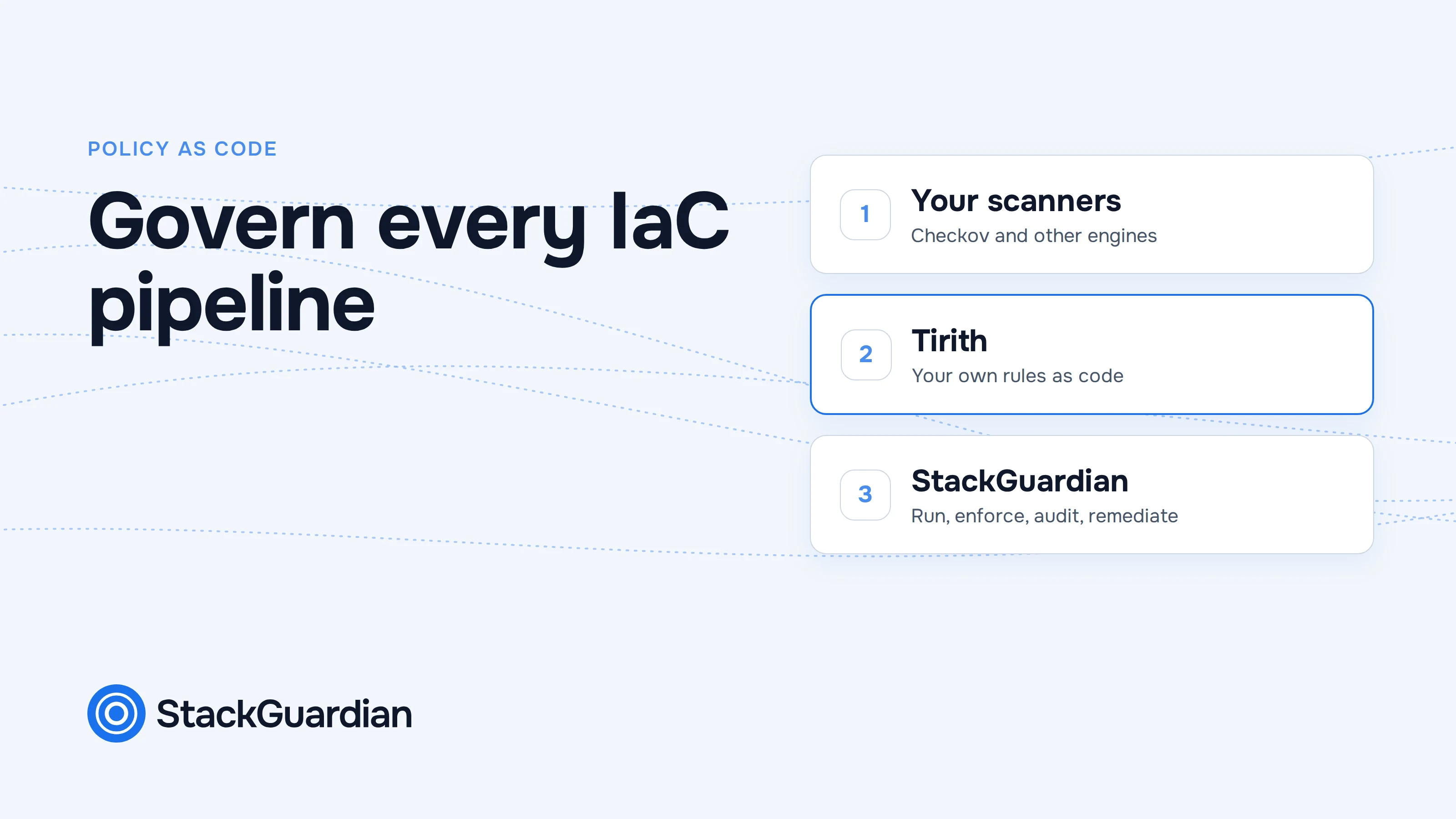
Integrate security scanning tools like Checkov or Terrascan into your CI/CD pipeline. Implement policy-as-code using tools like Open Policy Agent (OPA) to enforce security guardrails.
Develop a library of pre-approved, customizable templates that adhere to your organization's best practices. These templates can include vetted components, proper tagging, logging configurations, acceptable instance sizes, and security best practices. You can accelerate project kickoffs by providing developers with these "golden paths" while maintaining consistency and compliance.
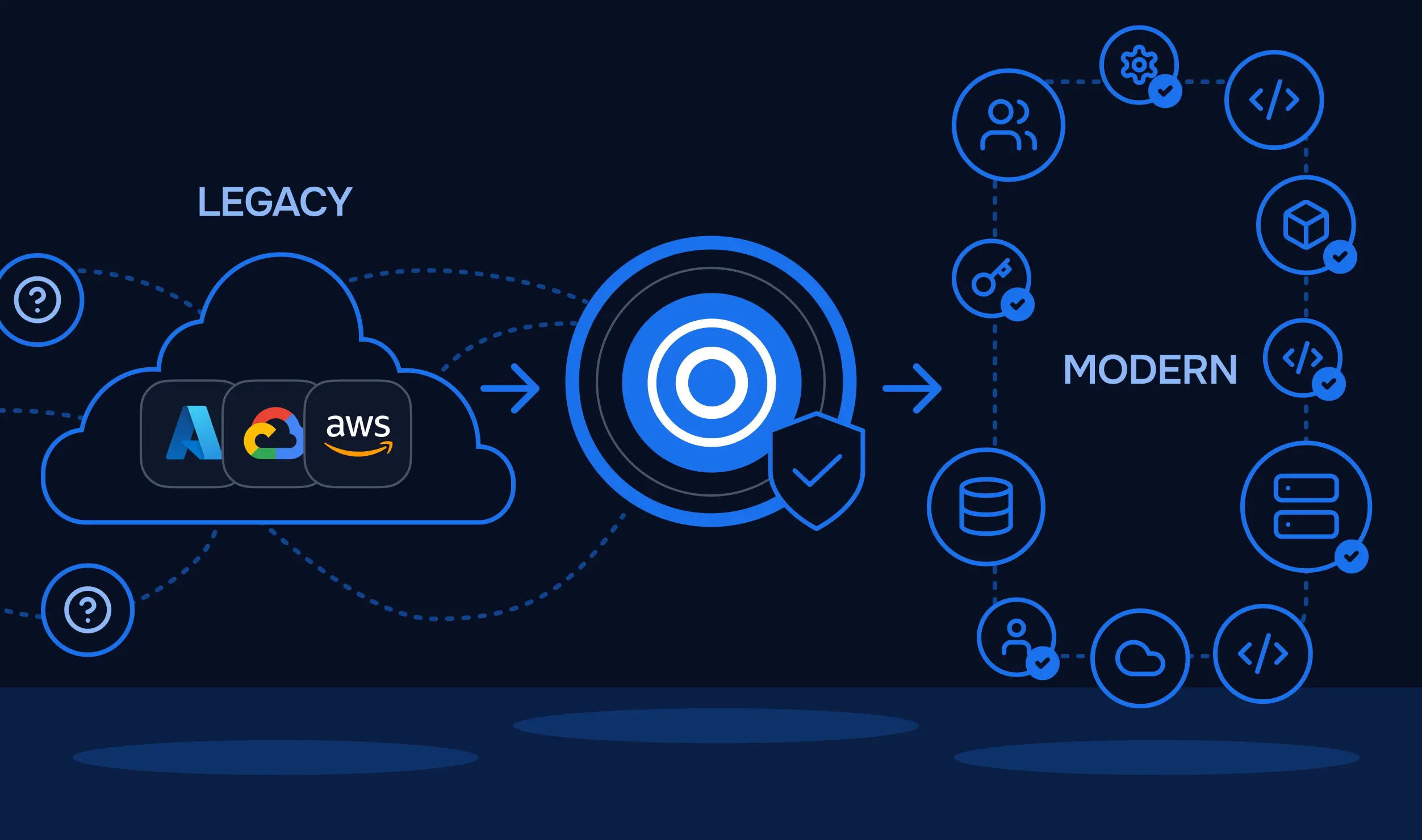
Even rock-solid IaC principles crumble without the right tools. That’s where StackGuardian bridges the gap between theory and practice. The StackGuardian platform acts like a “best practices enforcer,” letting teams deploy pre-approved infrastructure blueprints—think EC2 virtual machines with baked-in compliance configurations or S3 buckets tagged and organized correctly—no more copy-pasting Terraform modules from various GitHub repos.
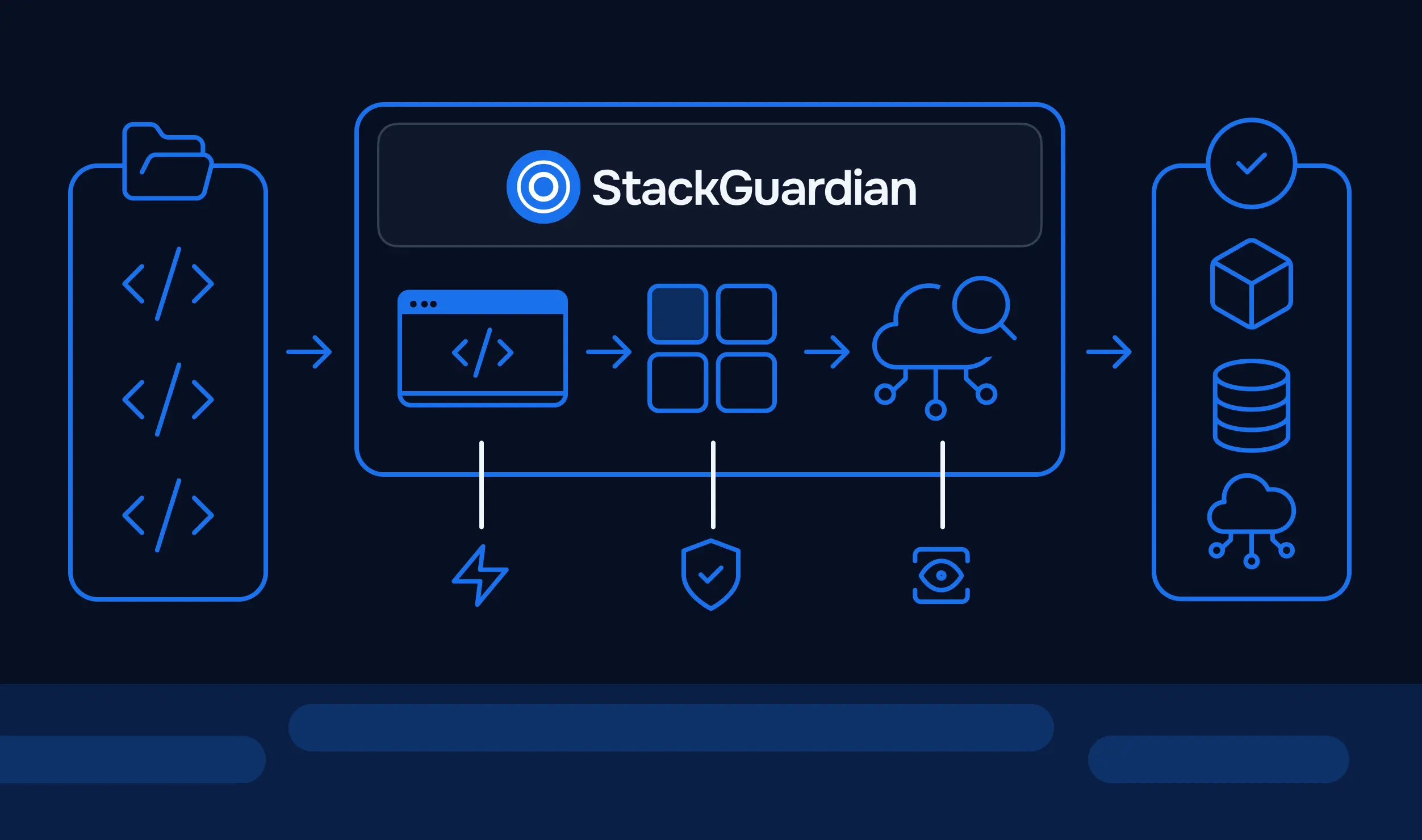
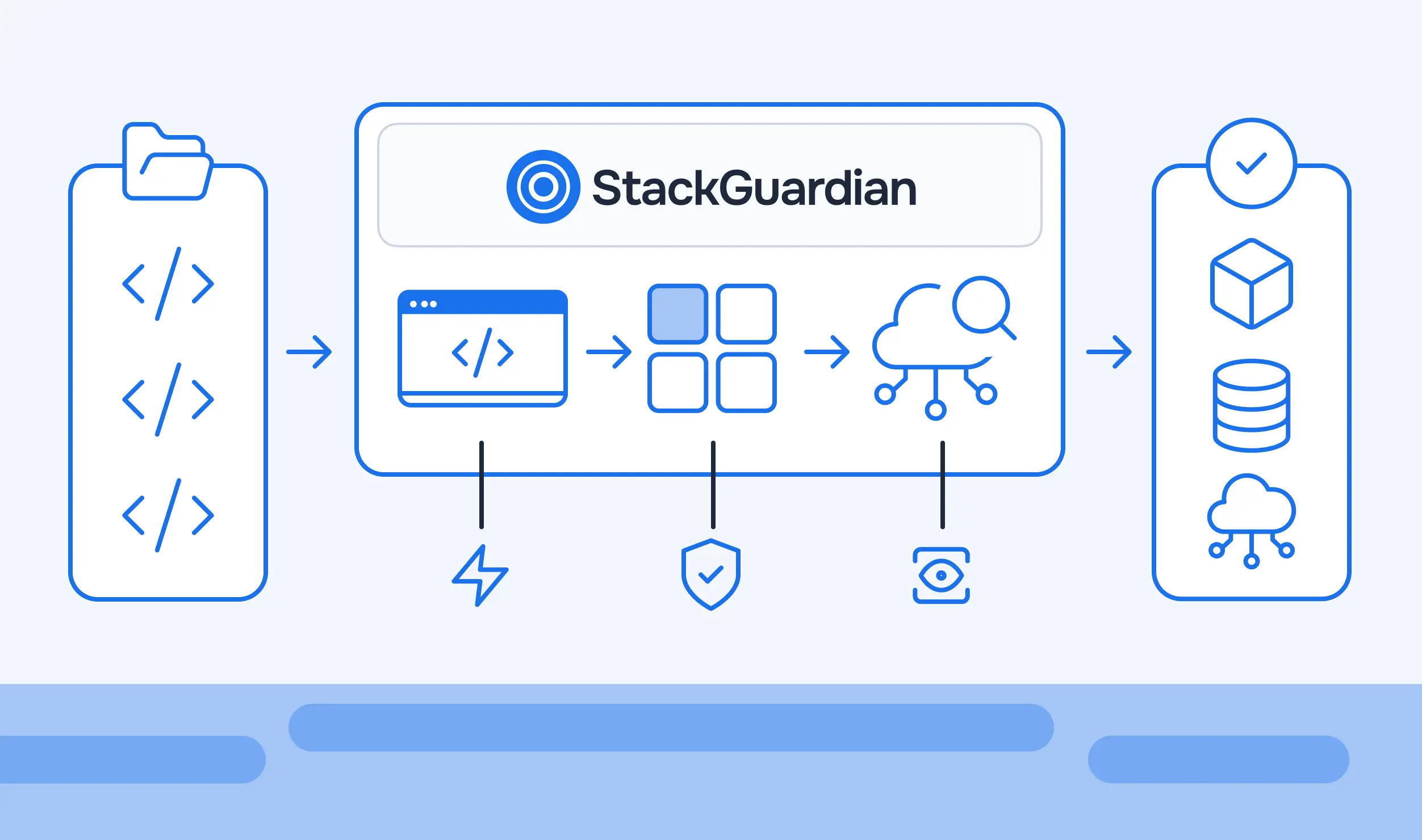
StackGuardian offers a comprehensive, one-platform solution for implementing and managing self-service IaC with popular tools such as Terraform, OpenTofu, AWS CloudFormation, Pulumi, and Ansible. It offers connectors with all major cloud providers and version control systems, empowering development teams while maintaining governance and control. The platform provides a no-code interface for effective collaboration on IaC workloads, making it easier for developers to access and manage infrastructure resources with an orchestrator, without deep expertise in infrastructure management.
StackGuardian's Marketplace provides access to pre-defined IaC templates, enabling rapid deployment of common infrastructure patterns. The develop section allows DevOps and Platform teams to create Policies and IaC blueprints (Library) based on discovered insights or pre-defined best practices. This enables organizations to provide real self-service to developers and application teams.
Developers get a self-service playground with guardrails: Need a test environment? Spin up a cluster quickly via the no-code interface in minutes, not days. Meanwhile, platform engineers don’t have to constantly worry about infrastructure misconfigurations, knowing that they have automatically enforced policies like “no public S3 buckets” and “mandatory cost-center tags” via StackGuardian’s policy engine (which plays nicely with Open Policy Agent).
The magic lies in flexibility. Do you have a GitOps workflow? StackGuardian fits right in, syncing with your existing automation and cloud providers. Do you prefer hands-on coding? Customize templates or build new ones while the platform handles state management deployments. It’s like giving devs autonomy without ops losing their minds—a rare balance of speed and governance.
Get started with StackGuardian today!
In conclusion, IaC has revolutionized how organizations manage their infrastructure, offering numerous benefits such as improved consistency, enhanced security, cost control, and reduced operational overhead. By adopting IaC best practices, including version control, automated deployments, and modular code structures, teams can maximize efficiency and scalability in their DevOps workflows.
To fully leverage the power of IaC, organizations should consider utilizing comprehensive platforms like StackGuardian. Such tools bridge the gap between IaC principles and practical implementation, offering features like pre-approved templates, policy enforcement, and no-code interfaces.