Terraform Automation: How Modern Teams Automate the Entire Infrastructure Lifecycle
Learn how modern teams go beyond terraform apply to automate discovery, governance, drift detection, and deployment orchestration at enterprise scale.
Learn how modern teams go beyond terraform apply to automate discovery, governance, drift detection, and deployment orchestration at enterprise scale.
There is a paradox at the center of modern infrastructure engineering. Most organizations have already adopted Terraform. They have modules, Git repositories, CI/CD pipelines, and remote state backends. On paper, they are set up for automation. In practice, engineers are still spending hours every week on manual environment provisioning, change approvals, drift remediation, and multi-account deployments.
The problem is not Terraform itself. The problem is how teams define automation.
For most teams, Terraform automation means running terraform plan and terraform apply in a CI pipeline. That is a reasonable starting point, but it barely covers the surface of what infrastructure automation actually requires when you are managing resources across dozens of teams, environments, and cloud accounts.
Terraform automation, in its complete form, is the practice of automating the entire infrastructure lifecycle, from discovering what already exists in your cloud accounts, to generating IaC code, enforcing policies, orchestrating deployments, and continuously reconciling drift. It is not about automating a single command. It is about building a system that governs how infrastructure changes happen, who approves them, whether they comply with policy, and how they stay aligned with what is defined in code.
This article breaks down what that system looks like in practice, covering the five layers of Terraform automation, real-world workflow examples, and how modern platforms like StackGuardian extend automation beyond execution to cover the full infrastructure lifecycle.
Terraform automation is the practice of removing manual steps from infrastructure provisioning, validation, deployment, governance, and lifecycle management. It turns infrastructure operations into repeatable, auditable processes rather than a collection of ad hoc commands and loosely connected scripts.
At its most basic level, Terraform automates provisioning. You define cloud resources in HCL, run terraform apply, and Terraform creates or updates those resources to match the declared configuration. That covers:
Terraform also manages a state file that tracks the current known state of each resource, including dependencies and values returned from provider APIs. But that is all Terraform does: it plans, applies changes, and maintains state. It does not handle when changes should run, who should approve them, whether they violate a security or cost policy, or whether something has drifted away from the expected configuration since the last apply. All of that requires automation built around Terraform.
terraform init
terraform plan
terraform apply
Engineers run Terraform locally. There is no shared state, no access control, and no audit trail. This works for individual projects but breaks down the moment teams and environments grow.
The next step was moving Terraform execution into CI/CD pipelines. Git-triggered plans and applies introduced standardization, approvals, and auditability, making infrastructure delivery more reliable at scale.
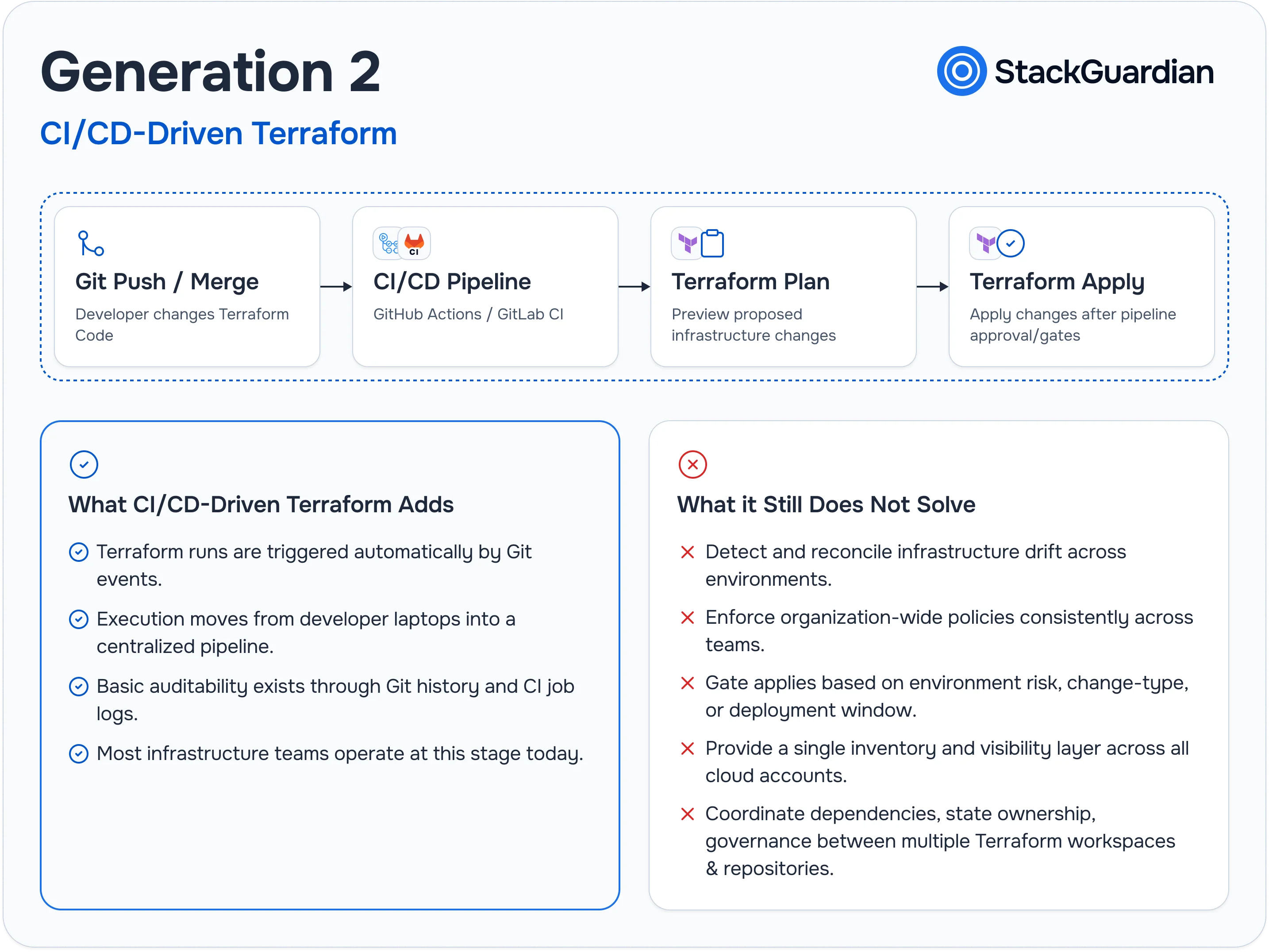
Terraform runs are triggered automatically by Git events. This removes local execution and adds basic auditability. It is where most teams are today. The problem is that CI handles execution, not governance. It does not detect drift, enforce policies across teams, gate applies based on environment risk, or give visibility into what is running across all cloud accounts.
Today, infrastructure management requires more than automating terraform apply. As cloud environments become larger, more dynamic, and increasingly autonomous, teams need continuous discovery, governance, orchestration, and drift management across the entire infrastructure lifecycle.
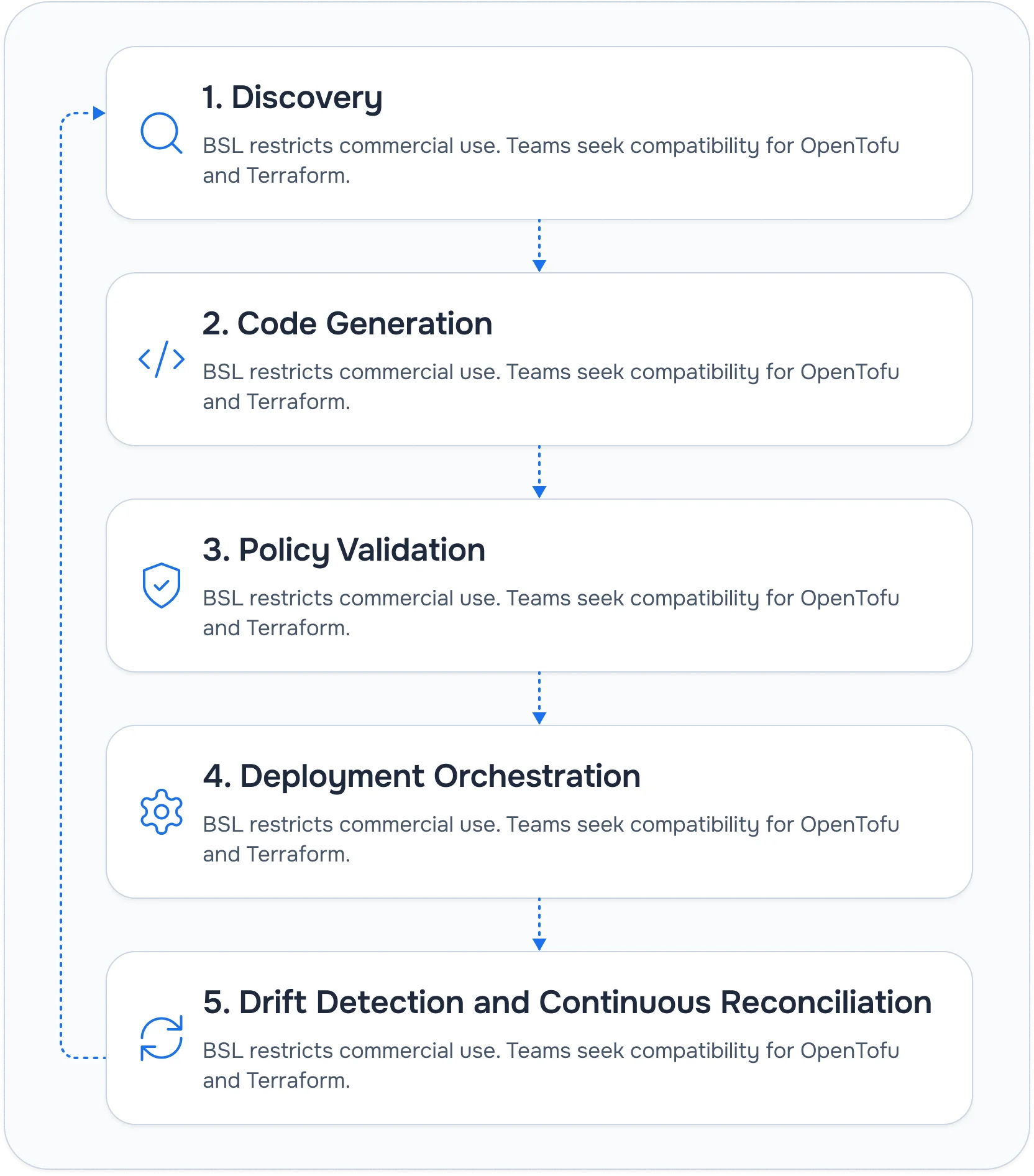
This is where infrastructure platforms operate. Automation covers the full lifecycle, from discovering unmanaged resources to continuously keeping deployed infrastructure aligned with the declared state, without requiring manual checks or reactive hotfixes.
Terraform automation becomes necessary once infrastructure starts growing faster than teams can manage manually.
A recent Terraform community discussion showed that many teams now route nearly all infrastructure changes through Terraform pipelines. The goal isn't just automation—it's reducing operational overhead, avoiding mistakes, and keeping infrastructure consistent as environments scale.
Most teams adopt Terraform automation to solve problems like:
These are the problems Terraform automation solves well. The next challenge is managing everything that happens outside the deployment pipeline, unmanaged resources, policy enforcement, approvals, and infrastructure drift.
This framework covers everything modern teams need to automate around Terraform. Each layer addresses a distinct part of the infrastructure lifecycle.
Most organizations arrive at Terraform with existing cloud resources that were never written as code. These brownfield environments have no state files, no HCL, and no documentation. Before you can automate governance, you need to know what you are governing.
Discovery tooling scans cloud APIs to build an inventory of every resource that exists across your connected accounts, regardless of how it was created. This includes resources provisioned manually through the console, by scripts outside any IaC workflow, or by other automation tools.
The discovery inventory answers questions that most teams cannot currently answer with confidence:
Common cloud-native discovery tools include AWS Config for resource inventory in AWS, Azure Resource Graph for querying Azure resource hierarchies, and Google Cloud Asset Inventory for tracking assets across GCP projects. At scale, these are typically supplemented by a platform-level inventory layer that consolidates discovery across multiple accounts and providers into a single view.
When IaC coverage is low, which is common in organizations that have run ClickOps for years, a risk indicator makes the gap visible and actionable. Without knowing what exists, there is no baseline for governance, drift detection, or compliance reporting.
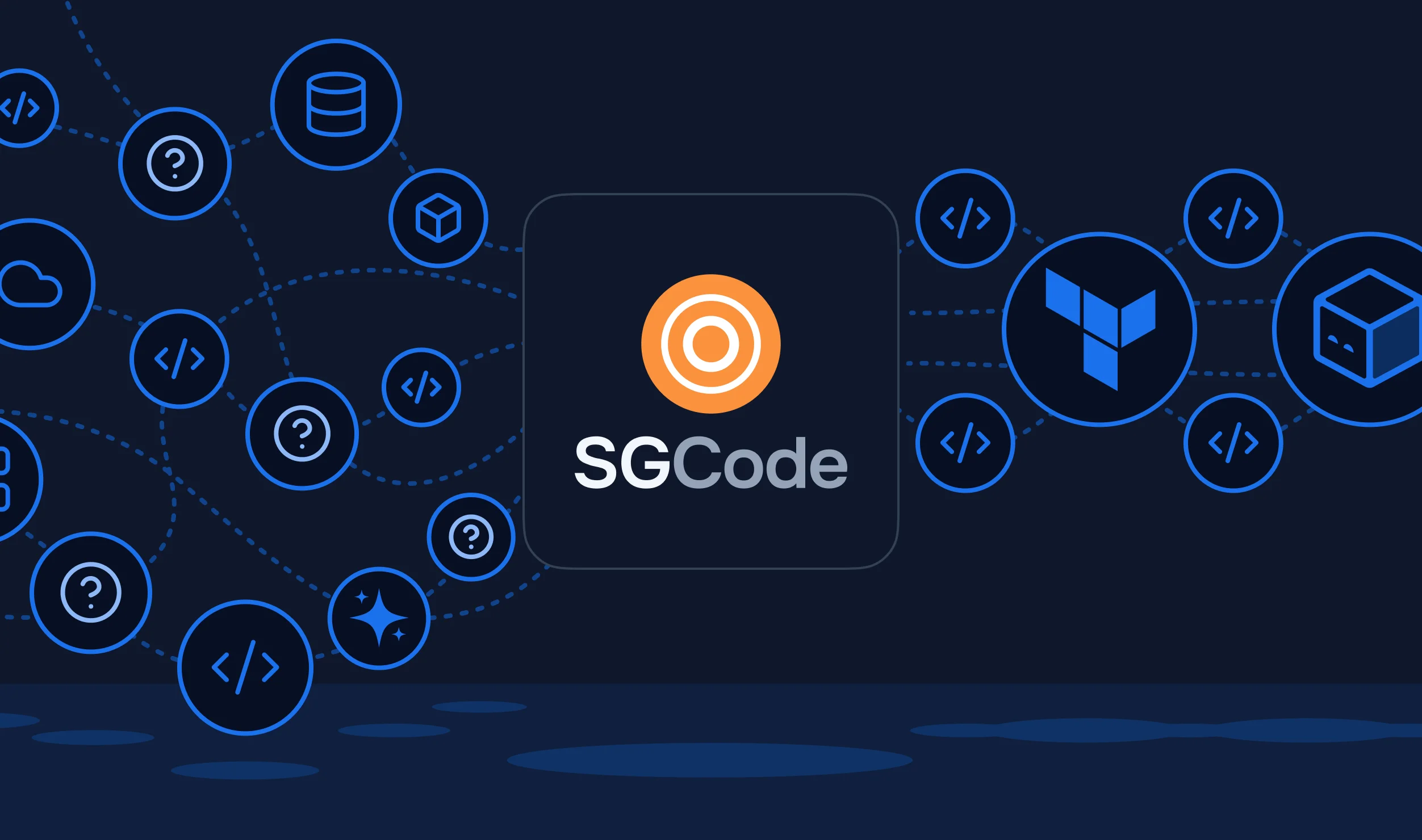
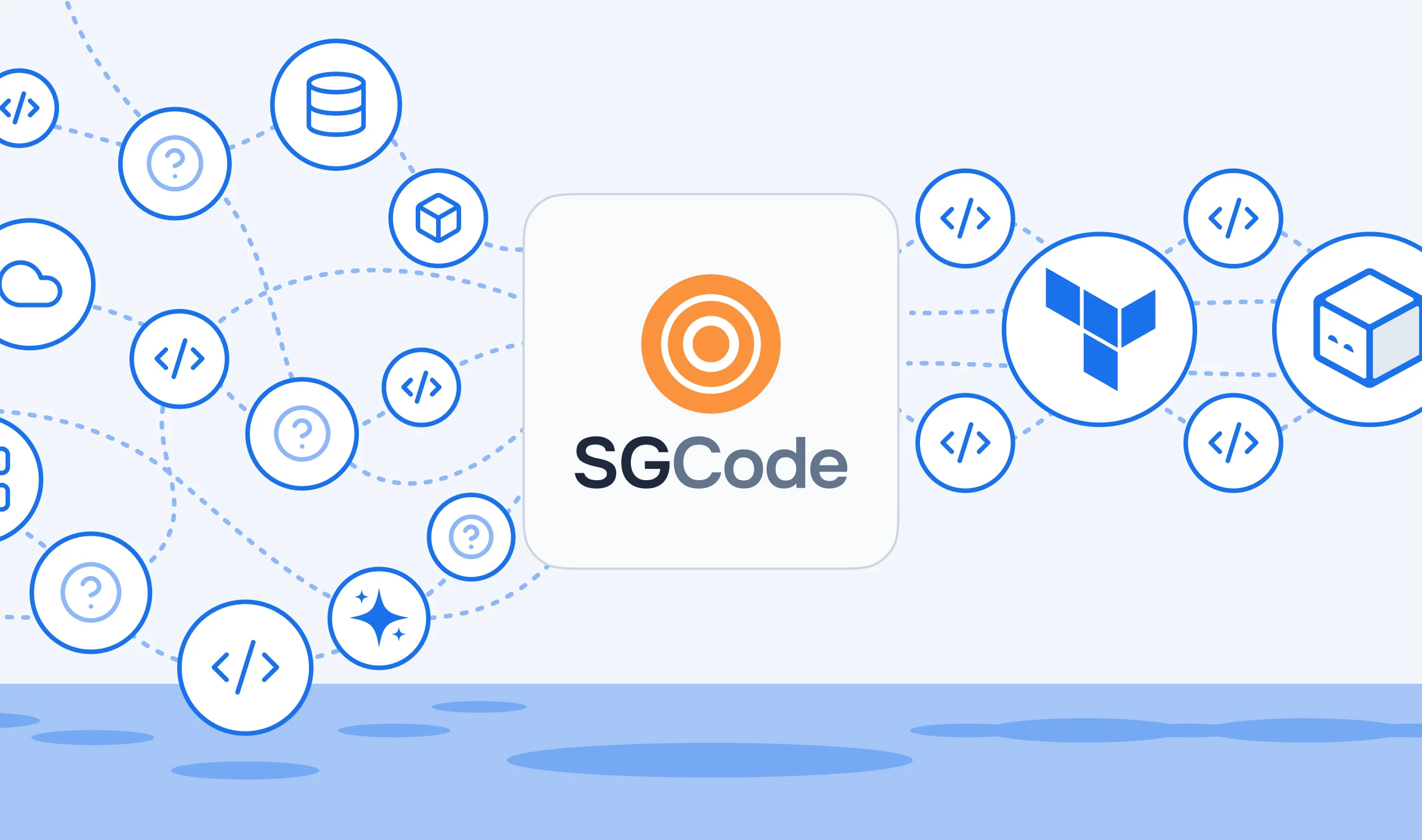
Once unmanaged resources are identified, the next step is bringing them under Terraform control without writing code from scratch. Infrastructure-to-Code generation tools scan live cloud resources and produce Terraform or OpenTofu configurations that accurately represent them, including dependencies between resources.
Open-source tools like Terraformer and Former2 provide a starting point. Production-grade platforms go further: they generate modular HCL with proper variable abstraction, dependency mapping, and automatic validation cycles that catch and fix errors before code reaches a developer's editor.
The practical benefits are significant:
The end goal of this layer is a clean plan, 0 to Add, 0 to Change, 0 to Destroy, confirming that the generated code accurately represents what already exists in the cloud, without introducing unintended changes.
Automation without governance creates a different kind of risk. Infrastructure that deploys quickly without policy enforcement leads to security misconfigurations, compliance gaps, and cost overruns at scale.
Policy-as-Code is the mechanism for enforcing rules automatically before anything reaches production. Policies are defined once and evaluated against every Terraform plan, across every team, repo, and environment, not selectively during code review.
Common policy frameworks:
package terraform.security

deny[msg] {
  resource := input.resource_changes[_]
  resource.type == "aws_s3_bucket"

  not resource.change.after.server_side_encryption_configuration

  msg := sprintf(
    "S3 bucket %s must have server-side encryption enabled",
    [resource.address]
  )
}
This policy evaluates a Terraform plan and blocks deployments if an S3 bucket is created without encryption enabled.
What policies are enforced:
The critical requirement is consistency. Policies must run on every plan across every team, repo, and environment. When a policy fails, the terraform apply is blocked and the reason is surfaced clearly. This shifts enforcement from best-effort code review to a guaranteed gate.
CI/CD-based automation covers the basics of deployment execution. But at enterprise scale, deployment automation needs to go further than triggering terraform apply on merge.
CI/CD-based Terraform automation using GitHub Actions, GitLab CI, or Jenkins is the foundation. Here is a production-safe example workflow for a GCP environment:
name: Terraform CI

on:
  push:
    branches: [main]
  pull_request:

jobs:
  terraform:
    runs-on: ubuntu-latest

    steps:
      - uses: actions/checkout@v3

      - uses: google-github-actions/auth@v2
        with:
          credentials_json: ${{ secrets.GCP_SA_KEY }}

      - uses: hashicorp/setup-terraform@v3
        with:
          terraform_version: 1.6.6

      - name: Terraform Format Check
        run: terraform fmt -check

      - name: Terraform Validate
        run: terraform validate

      - name: Terraform Plan
        id: plan
        run: terraform plan -detailed-exitcode -out=tfplan
        continue-on-error: true

      - name: Export Plan JSON
        run: terraform show -json tfplan > plan.json

      - name: Check for Unexpected Mutations
        run: |
          DRIFT_COUNT=$(jq '[.resource_changes[]
            | select(.change.actions | index("update") or index("delete"))
          ] | length' plan.json)
          echo "Mutation count: $DRIFT_COUNT"
          if [ "$DRIFT_COUNT" -gt 0 ]; then
            echo "Unexpected changes detected. Apply blocked pending review."
            exit 1
          fi

      - name: Terraform Apply
        if: github.event_name == 'push' && github.ref == 'refs/heads/main'
        run: terraform apply -auto-approve tfplan
This workflow enforces several important controls:
Where CI alone falls short:
CI handles execution. It does not handle approval workflows across environments, multi-account role assumption, environment promotion sequences, or policy enforcement that spans teams and repositories. Modern deployment orchestration addresses those gaps with:
Terraform does not detect drift unless someone runs terraform plan, and in most teams, that only happens when a deployment is in progress. Everything in between is a blind spot.
The problem has three dimensions:
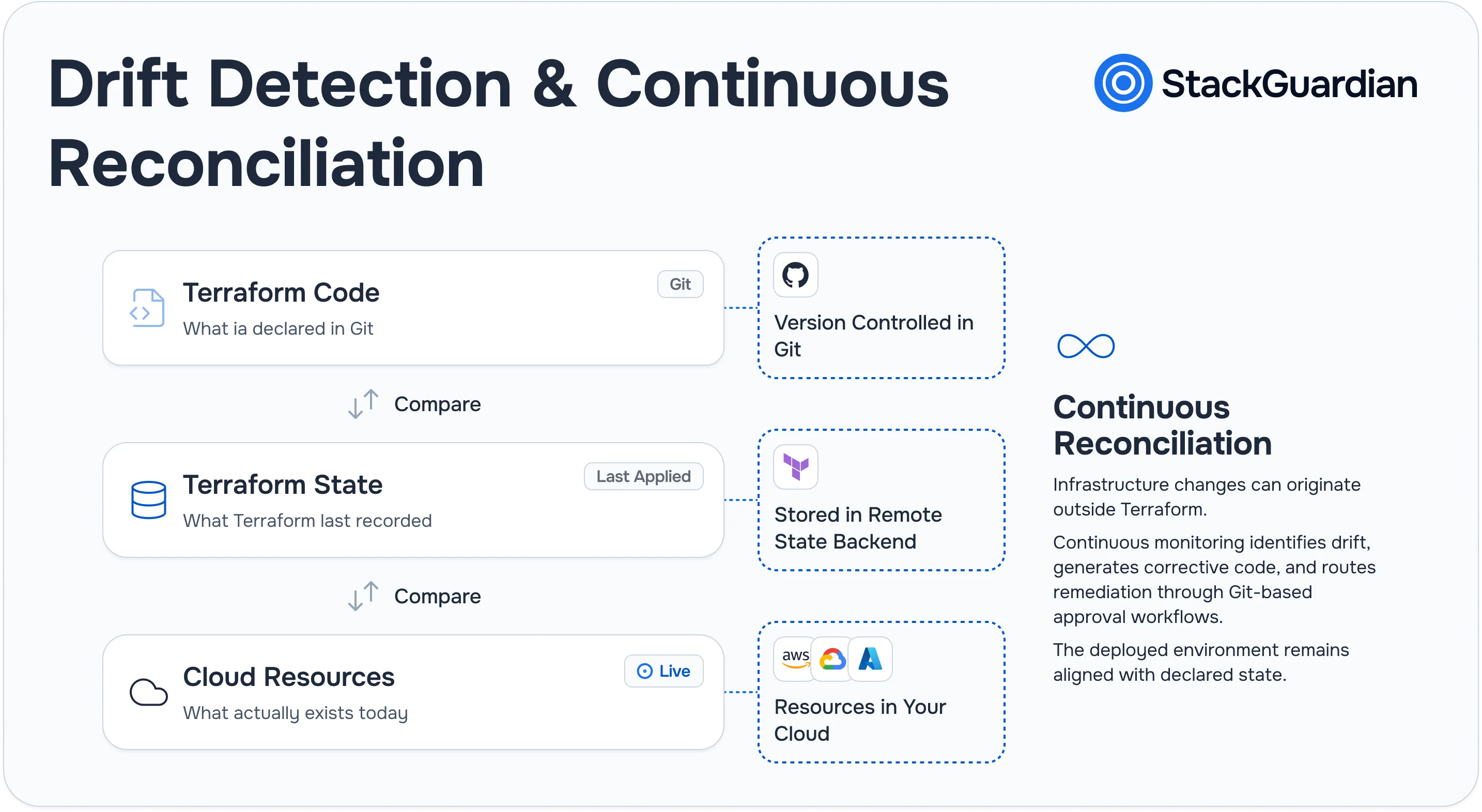
Any gap between these three is drift. Common causes include direct console changes, emergency patches applied via cloud CLI, shadow infrastructure provisioned outside any Terraform repository, and modifications made by other automation tools.
If a security group is edited to allow 0.0.0.0/0 in production directly through the AWS console, Terraform will not surface that change until someone runs a plan. That window could be days or weeks, and during that time, the misconfiguration is active.
A proper automation layer monitors for drift continuously, not just during deployments. When drift is detected, the correct remediation path goes through Git:
This keeps all infrastructure changes traceable, reviewable, and version-controlled, even the ones that originated as unplanned manual edits.
Putting all ten layers together produces an end-to-end infrastructure lifecycle that operates as a controlled system.
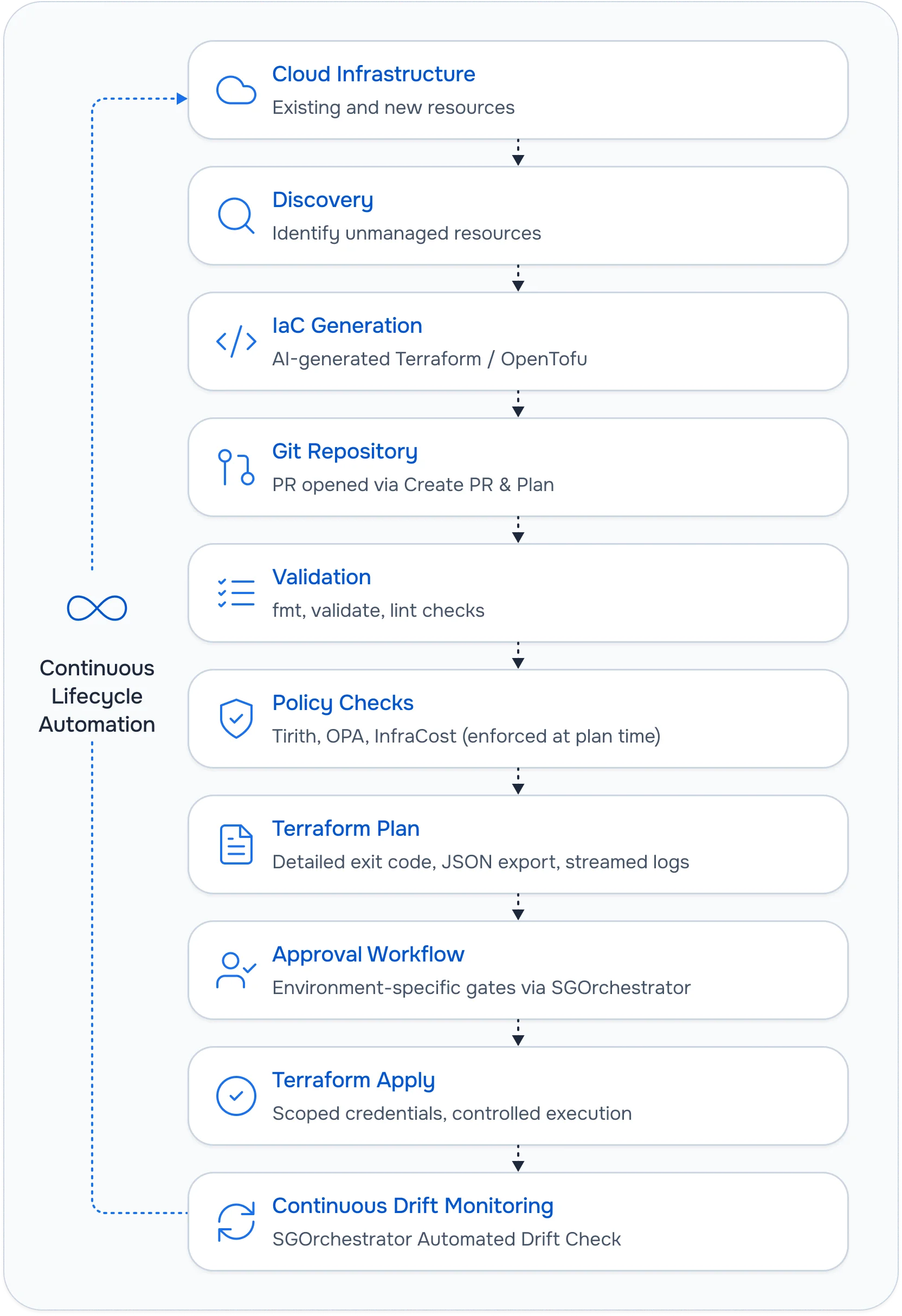
Each stage removes a manual step and replaces it with a controlled, auditable process. Discovery eliminates the blind spot of unmanaged resources. Code generation removes the need to write Terraform from scratch for existing infrastructure. Policy checks replace inconsistent manual review. Drift detection closes the gap between deployments. Approval workflows enforce access control without adding process overhead.
Benefits: Low barrier to entry, familiar tooling (GitHub Actions, GitLab CI, Jenkins), and no additional platform cost at a small scale.
Limitations: No centralized policy engine, no approval gates, no cross-environment drift visibility. Each team maintains its own Terraform workflow with inconsistent controls. Managing hundreds of repos with separate pipelines becomes unsustainable.
Platforms like HCP Terraform (Terraform Cloud), Spacelift, and env0 centralize execution with added governance features: remote state management, RBAC for workspace access, policy-as-code via Sentinel or OPA, and run triggers with workspace dependencies. These platforms address execution and governance well but are less focused on pre-deployment discovery and code generation for brownfield infrastructure, or on post-deployment continuous reconciliation.
The next evolution automates the complete lifecycle rather than just the execution layer. These platforms handle discovery, IaC generation, centralized policy enforcement, deployment orchestration with RBAC and approval workflows, and continuous drift detection, covering everything that native Terraform and CI pipelines do not.
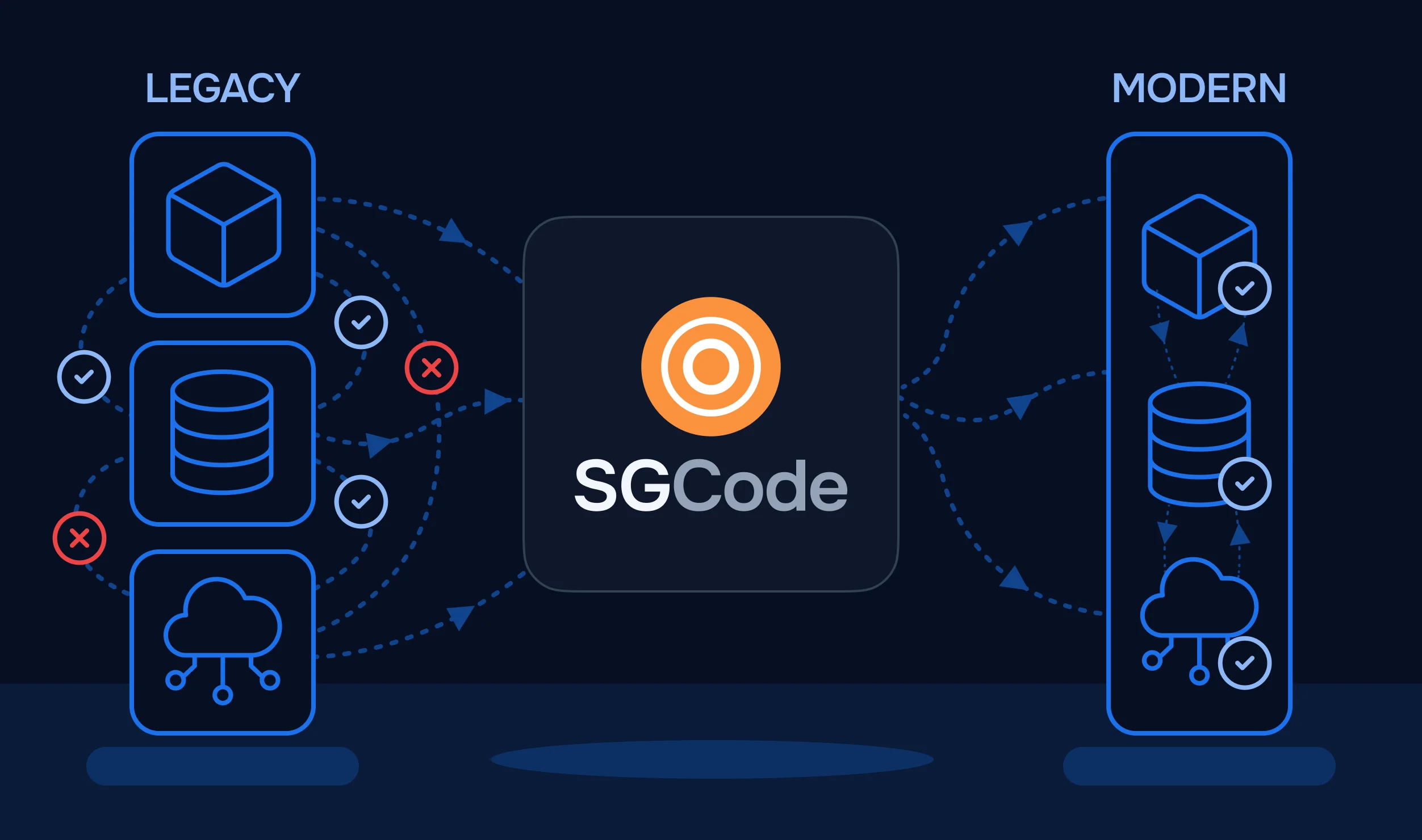
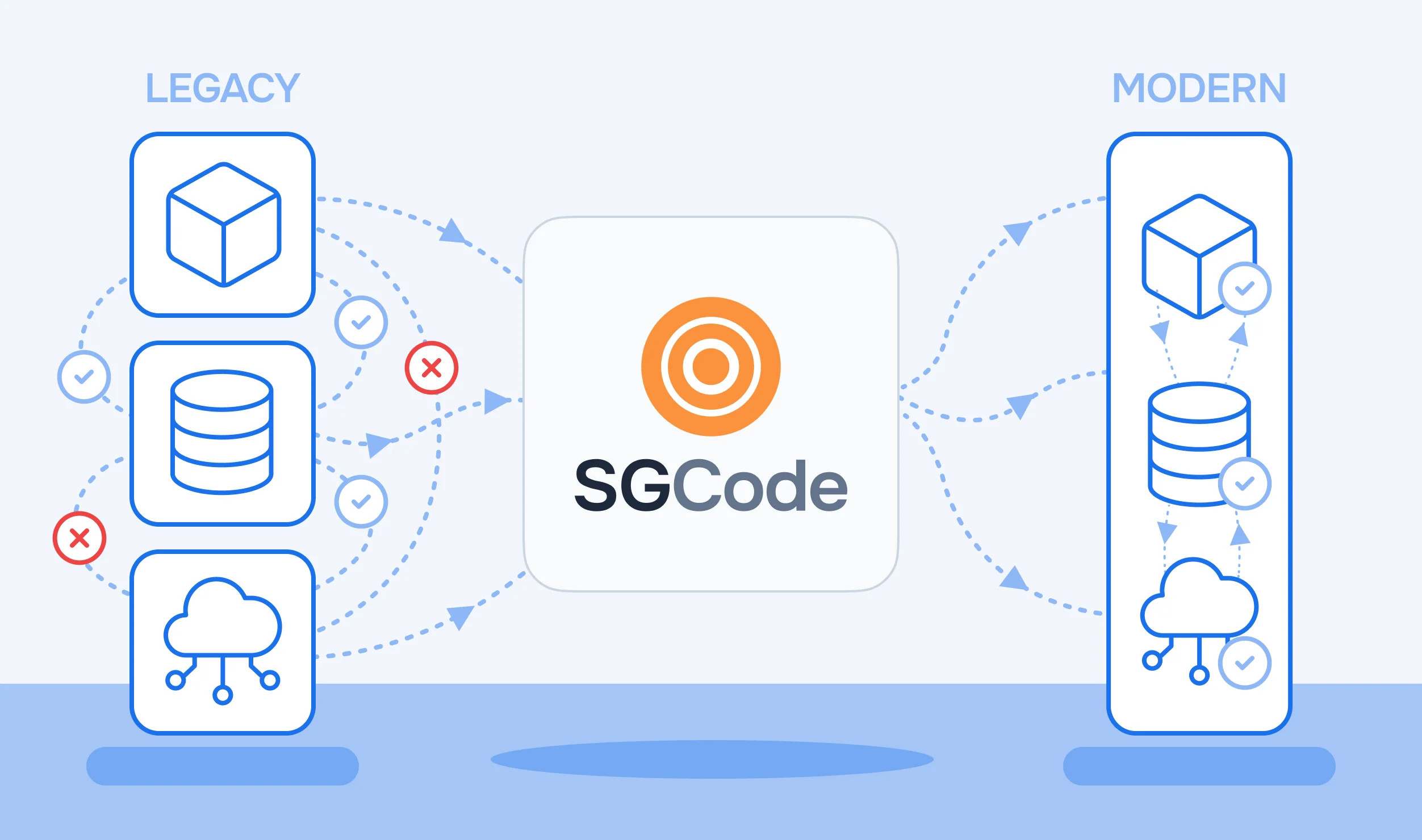
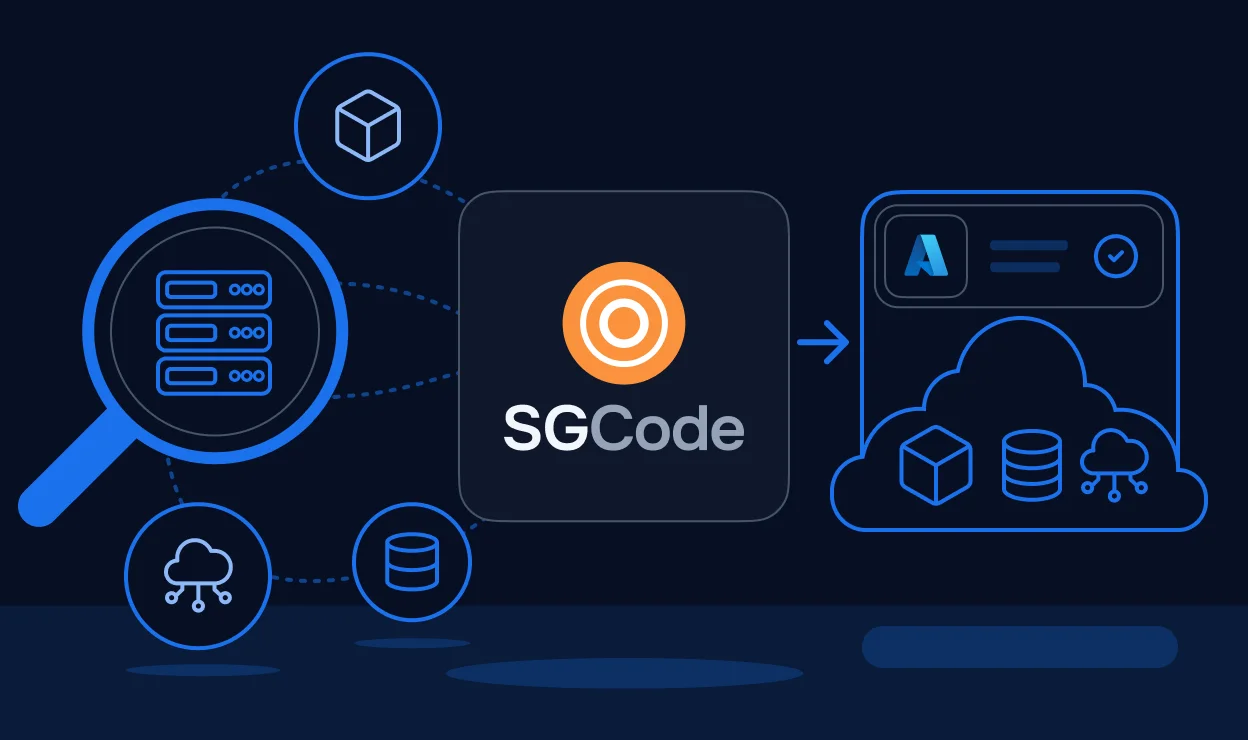
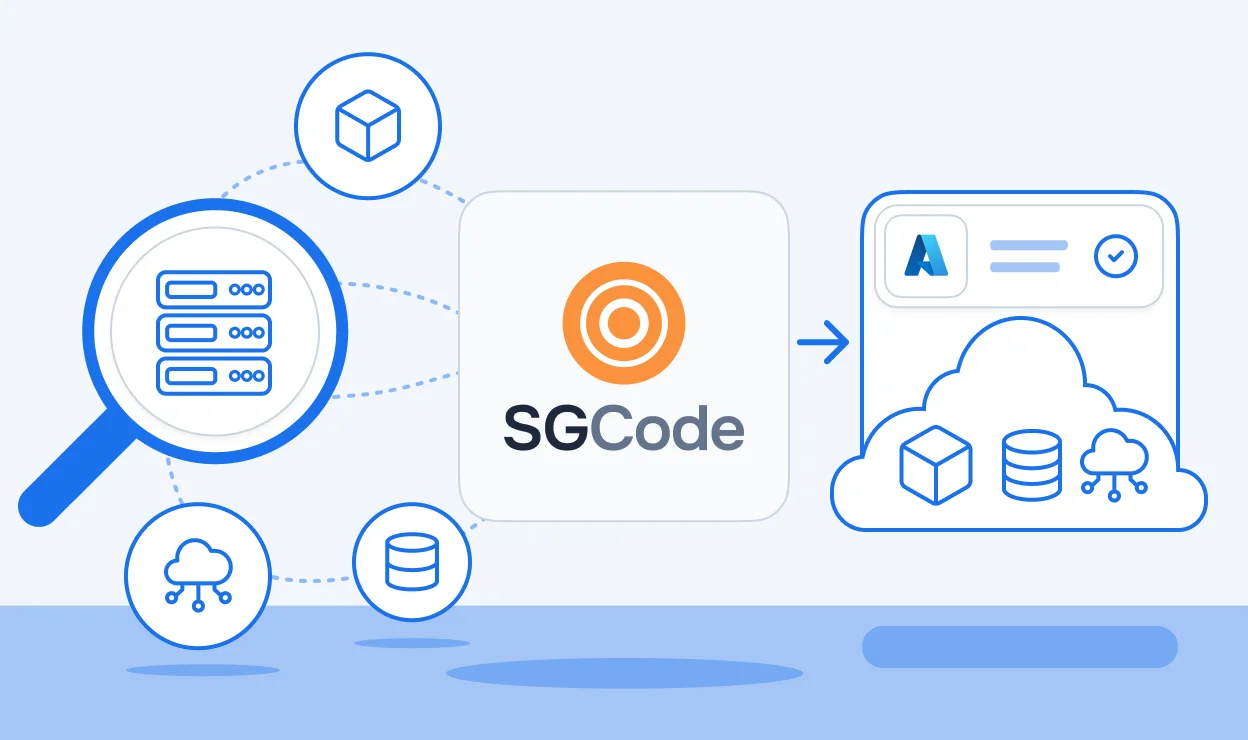
StackGuardian is an infrastructure lifecycle platform built around two core modules: SGCode for discovery and code generation, and SG Orchestrator for deployment orchestration, governance, and drift management. It plugs into your existing Terraform modules, state files, and CI pipelines without requiring changes to your tooling.
The best way to understand how it works is to follow what actually happens when a team adopts it.
Most teams assume they have a rough idea of what is running in their cloud accounts. The first thing StackGuardian shows you is that the picture is usually much larger and much less managed than expected.
SGCode connects to your cloud accounts and scans every resource across every account, regardless of how it was created. The Cloud Inventory gives you three numbers immediately: total resources discovered, the number of Infra Projects already generated, and IaC Coverage, the percentage of your infrastructure that is currently managed as code.
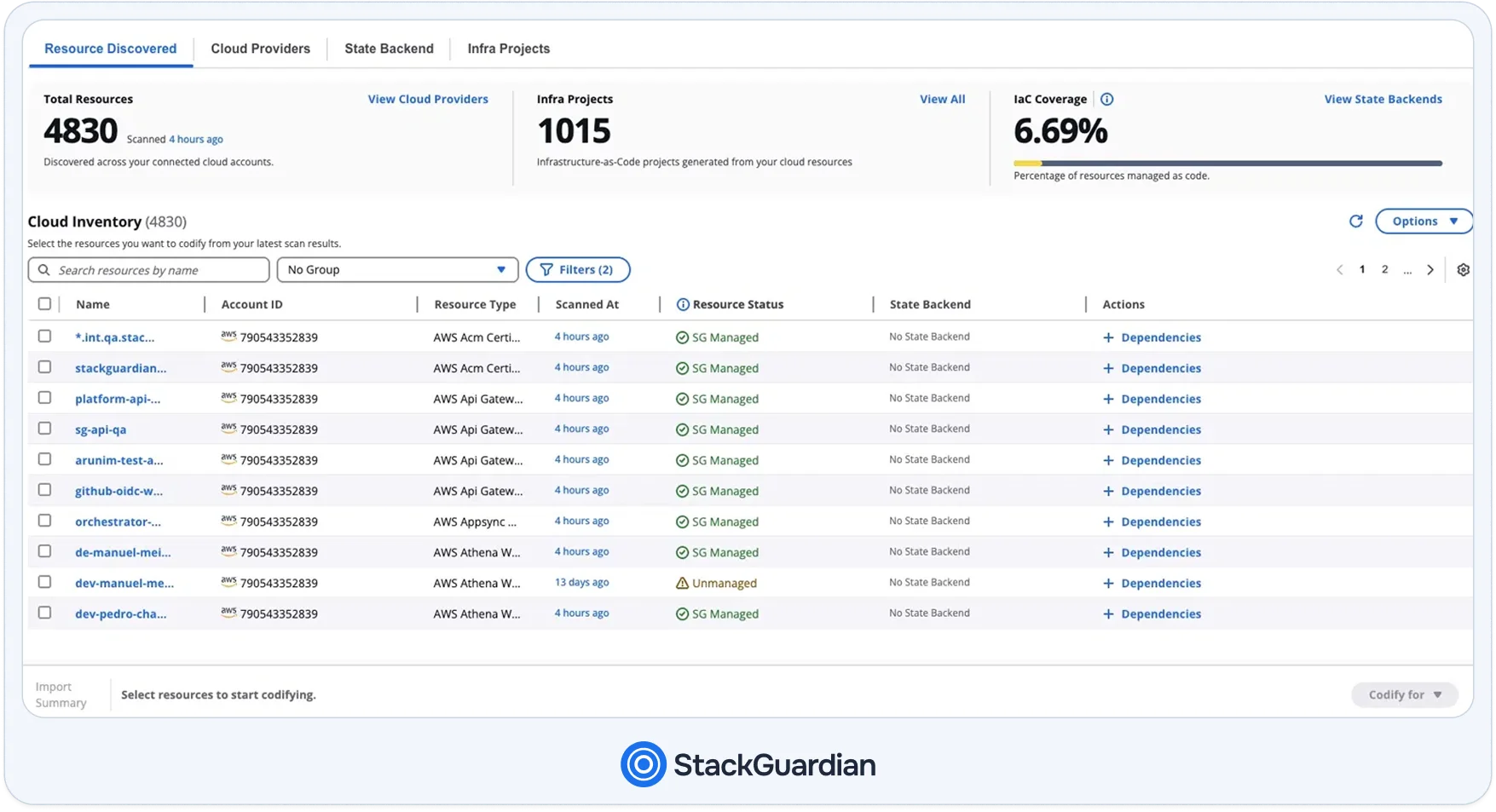
In the example above, 4,830 resources have been discovered across connected AWS accounts, but only 6.69% are under IaC control. The rest, thousands of compute instances, gateways, IAM bindings, and API configurations, exist entirely outside Terraform. They cannot be drift-detected, policy-enforced, or recovered from code. This is the baseline that most teams are actually starting from, not the clean slate they thought they had.
Each resource in the inventory carries a status: SG Managed, Unmanaged, Externally Managed, or SG Drifted. From here, the work of closing the gap begins.
Selecting unmanaged resources and hitting Codify opens the Code Workbench. SGCode uses AI to generate production-quality Terraform or OpenTofu code for the selected resources, structured into reusable modules with proper variable abstraction, dependency resolution, and an internal validation cycle that catches errors automatically before they reach the developer.
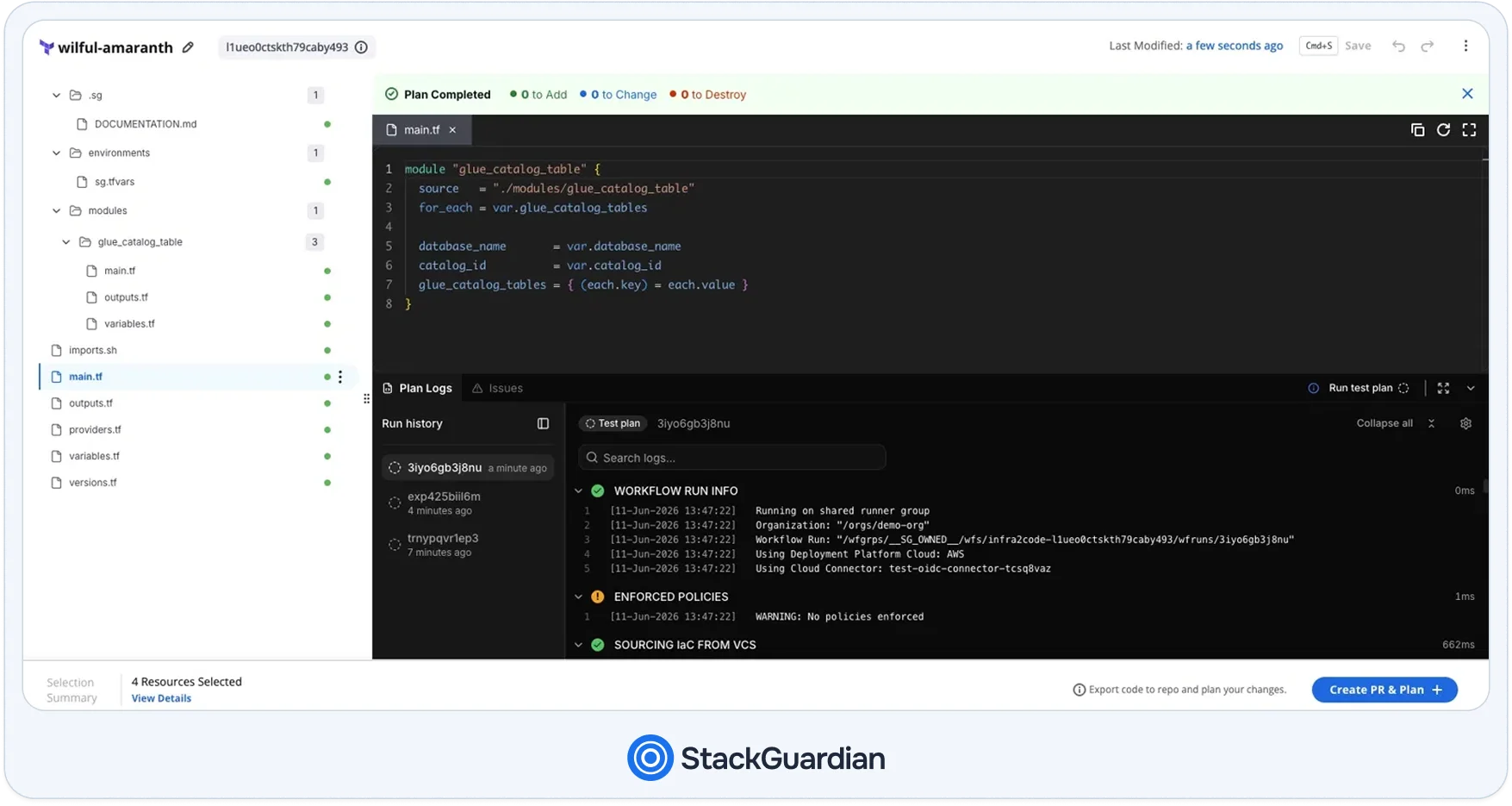
The generation process runs a plan internally, checks for errors, and if errors are found, regenerates the code automatically before surfacing the final result. The progress bar reflects this: a fast completion means the first generation was clean, a slower one means errors were found and automatically corrected. Once complete, the editor unlocks, and the developer can review, edit, and validate the generated HCL before it ever touches a repository.
If any issues remain, they appear in the Issues tab with file references and descriptions. A Fix All Issues button triggers another automated remediation cycle, with a diff view showing exactly what changed before the developer accepts or rejects the fix.
The goal state is a clean plan, 0 to Add, 0 to Change, 0 to Destroy, confirming that the generated code accurately reflects the actual state of cloud resources without introducing unintended changes.
When the plan is clean and the code is ready, selecting Create PR & Plan opens a modal that pushes the generated code to a new branch in the target repository and opens a pull request, all in a single step.
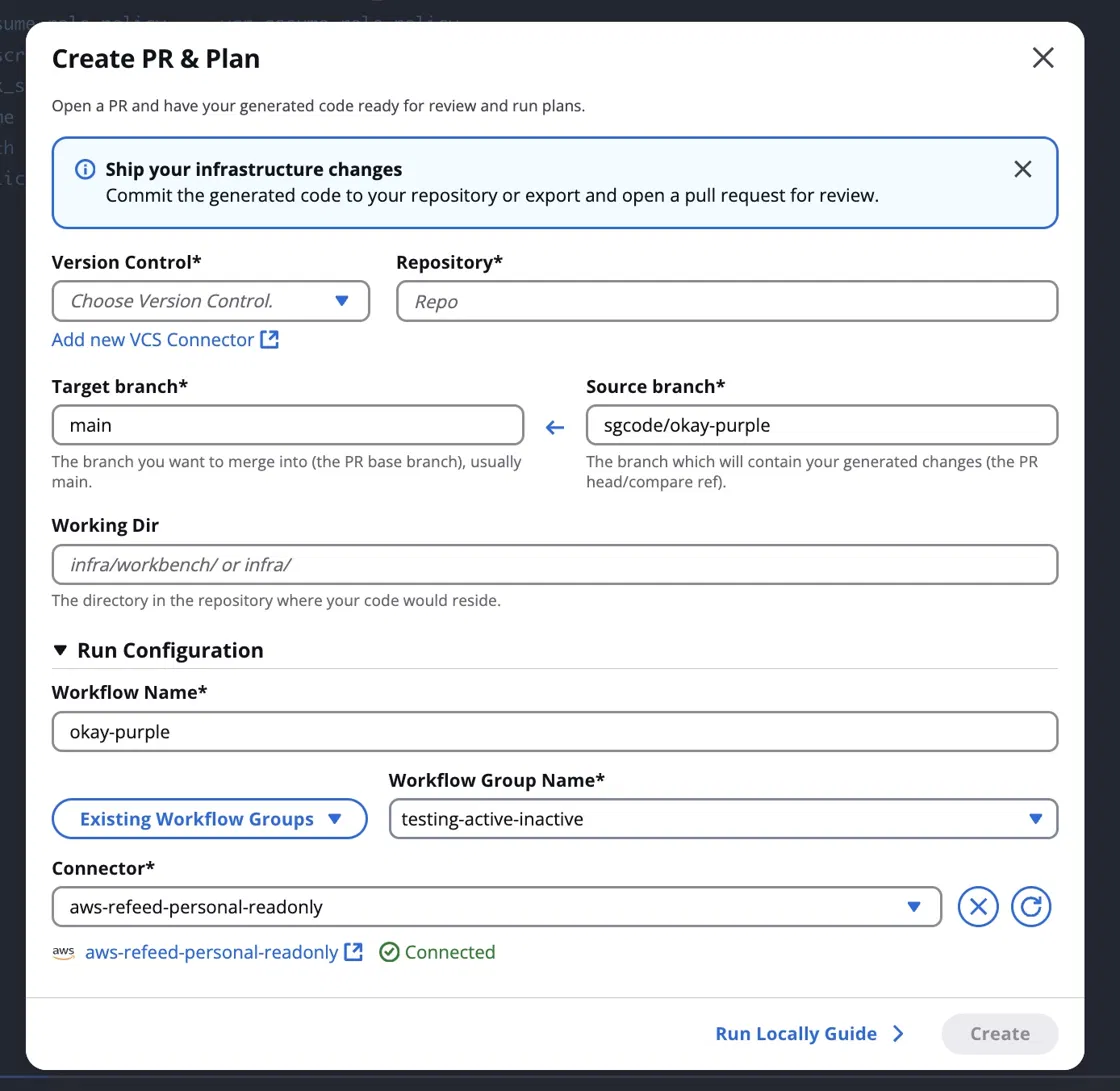
The modal captures the full context of where the code is going: which VCS connector, which repository, which target branch, which source branch SGCode creates, and which workflow group and cloud connector the plan will run against. This is not a separate Git step that a developer has to remember to do, it is built into the generation flow, ensuring that every piece of generated code is immediately traceable to a repository, a PR, and a workflow run.
Once the PR is open, Push & Plan keeps the plan current as the developer makes edits. Each run streams live in the Plan Logs tab, with a full run history available for review.
The SG Orchestrator Library is where platform teams define the governance layer that applies across the entire organization, reusable Workflow & Stack templates, Policy templates (built on Tirith, StackGuardian's own policy framework, or OPA), and Runtime Container configurations.
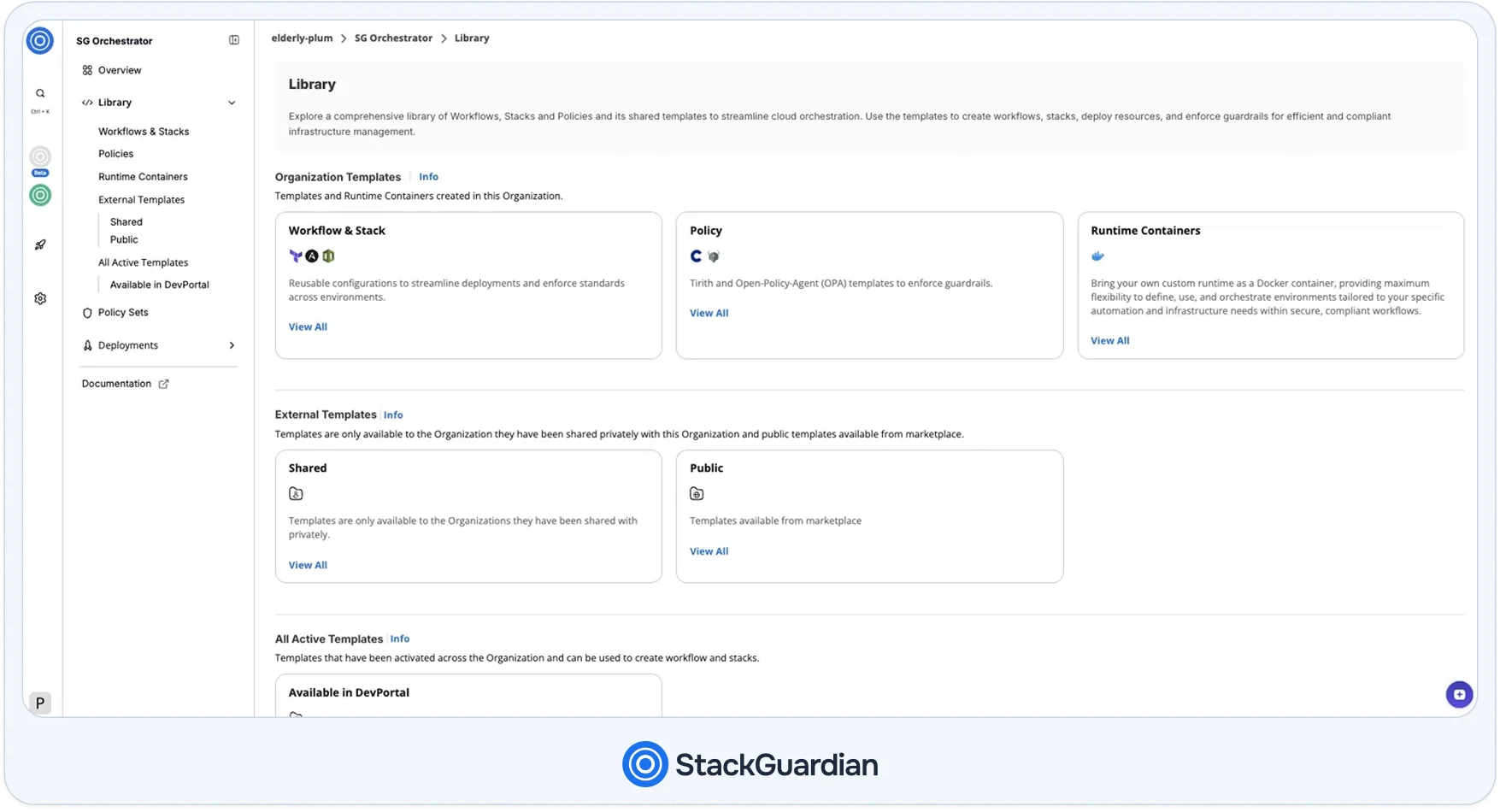
Instead of each team defining their own lint rules, cost thresholds, and tagging requirements, policies are defined once and scoped to specific Workflow Groups or cloud connectors. Every plan run is evaluated against these policies automatically. The result of each policy evaluation maps to one of six states: Pass, Fail, Warning, Pending, Skipped, or Unevaluated.
Pending is particularly important at enterprise scale: it represents a policy that requires explicit reviewer approval before the workflow can proceed. This makes it impossible for a change to reach production without the correct sign-off; without relying on process or convention, it is enforced at the platform level.
Cost enforcement works the same way. InfraCost policies define a monthly cost threshold. If a planned change exceeds it, say, a developer bumps an instance type in a production workspace, the apply is blocked and the violation is surfaced with the exact cost delta, before anything is deployed.
The shift from CI-centric Terraform to a full lifecycle platform is not primarily about tooling. It is about what becomes visible and what becomes impossible to bypass.
With a CI-only setup, a team can have well-written Terraform, clean modules, and careful engineers, and still end up with thousands of unmanaged resources, inconsistent policy enforcement, and drift that accumulates silently between deployments.
StackGuardian closes those gaps without replacing the existing workflow. Terraform stays the execution engine. Git stays the source of truth. CI pipelines continue to run. What changes is that every resource is accounted for, every plan is evaluated against policy, every Terraform apply is traceable to a commit and an approver, and any deviation from declared state is flagged before it becomes a problem.
The IaC coverage metric is what makes this tangible. Most teams start somewhere between 0.8% and 10%. Every resource codified, every unmanaged asset brought under Terraform control, moves that number. Over time, it becomes a measurable signal of how much of the cloud estate is governed, and how much is not.
Running Terraform in CI is useful and the right starting point. But it only automates execution. At enterprise scale, teams also need to automate validation, governance, approval, and reconciliation. CI does not cover those parts.
Drift is not continuously monitored. Terraform only detects changes when someone runs terraform plan. Manual changes in production go undetected until the next deployment.
No historical view of what changed. Terraform plans and apply outputs live in log files or PR comments. There is no structured history to trace who approved a change, what was in the plan, or why it was applied.
Policy checks are inconsistent. Different teams run different linting and validation tools. There is no central enforcement layer, and no guarantee that policies are applied uniformly across environments.
No cross-environment visibility. Each repository runs in isolation. There is no unified view of what is deployed, what is drifting, or where infrastructure is out of compliance.
Applies are not consistently controlled. Without centralized orchestration, engineers can still run terraform apply locally, or CI pipelines auto-apply without appropriate approval gates for production.
These are not failures of Terraform or CI. They are the natural limits of tools designed for execution, not for full lifecycle governance.
Terraform automation is no longer limited to running a pipeline. Modern teams are automating the entire infrastructure lifecycle, from discovering what already exists in cloud accounts, to generating and governing IaC, to orchestrating deployments through controlled approval workflows, and continuously reconciling any drift that occurs between them.
The five-layer framework, discovery, code generation, validation and governance, deployment orchestration, and drift detection, represents what enterprise-grade Terraform automation actually looks like in practice. CI pipelines handle execution well, but they were not designed to cover governance, visibility, or continuous reconciliation. Closing those gaps requires tooling built specifically for the full lifecycle.
StackGuardian represents this broader evolution. Through SGCode and SG Orchestrator, it extends Terraform automation across everything from initial brownfield discovery to real-time drift detection, making it practical to scale infrastructure operations across clouds, teams, and environments without sacrificing control, compliance, or auditability.
Terraform automation is the practice of removing manual steps from infrastructure provisioning, validation, deployment, governance, and lifecycle management. It ranges from basic CI/CD execution of terraform plan and terraform apply to full lifecycle orchestration including discovery, policy enforcement, drift detection, and Git-based remediation.
Terraform automation in CI/CD typically involves triggering terraform plan on pull requests and terraform apply on merges to the main branch, using short-lived credentials via OIDC, exporting plan output to JSON for structured review, and adding exit-code-based logic to detect unexpected changes before apply.
Infrastructure drift occurs when the actual state of cloud resources diverges from what is declared in Terraform code or recorded in the Terraform state file. Common causes include manual console changes, emergency patches applied outside the IaC workflow, and modifications made by other automation tools.
Drift can be detected by parsing the output of terraform plan -detailed-exitcode and inspecting plan.json for unexpected update or delete actions. At the platform level, dedicated drift detection tools like SG Orchestrator's Automated Drift Check continuously compare live resource configuration against Terraform state between deployments and flag changes in real time.
Policy-as-code is the practice of defining infrastructure compliance and security rules as machine-readable policies evaluated automatically against Terraform plan output. Common frameworks include OPA (Open Policy Agent), Tirith (StackGuardian Policy Framework), and InfraCost for cost enforcement. Policies enforce rules such as preventing public storage buckets, requiring encryption, enforcing tagging standards, and blocking high-cost instance types in non-production environments.


voestalpine.webp)