From ClickOps to Platform Engineering: How SGCode Closes the IaC Gap
Somewhere in your cloud environment right now, there’s infrastructure nobody fully understands. That’s exactly why we built SGCode.
Somewhere in your cloud environment right now, there’s infrastructure nobody fully understands. That’s exactly why we built SGCode.

Let’s be honest.
Somewhere in your cloud environment right now, there’s infrastructure nobody fully understands.
A VPC configured during a late-night incident three years ago. A security group that multiple services depend on, but nobody can say with certainty which ones. EC2 instances provisioned through a console click by an engineer who left months ago.
This isn’t unusual. It’s the norm.
And it’s costing platform teams far more than they realize. Not just in engineering hours, but in security exposure, compliance risk, and the hesitation that comes from not fully trusting your own infrastructure.
That’s exactly why we built SGCode.
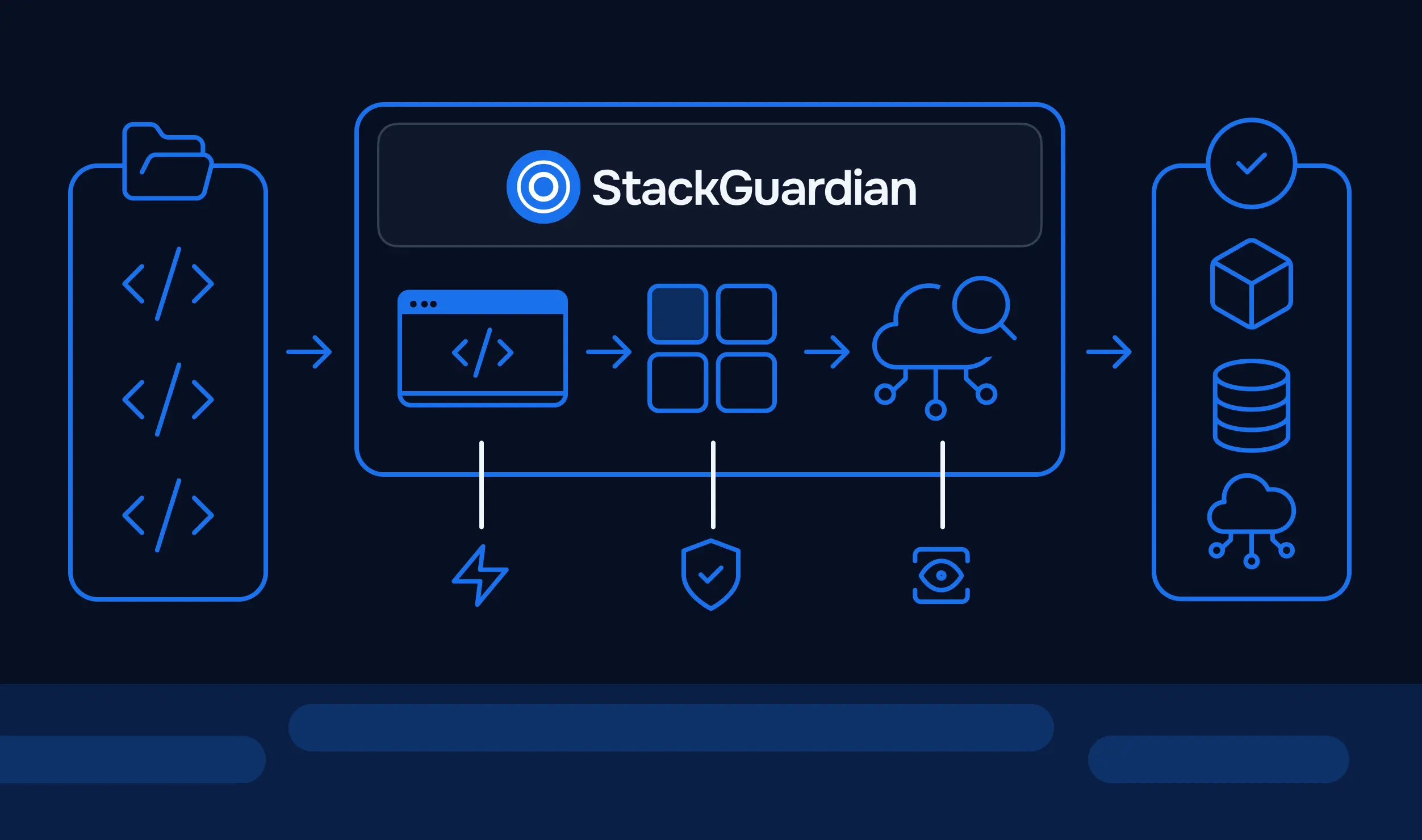
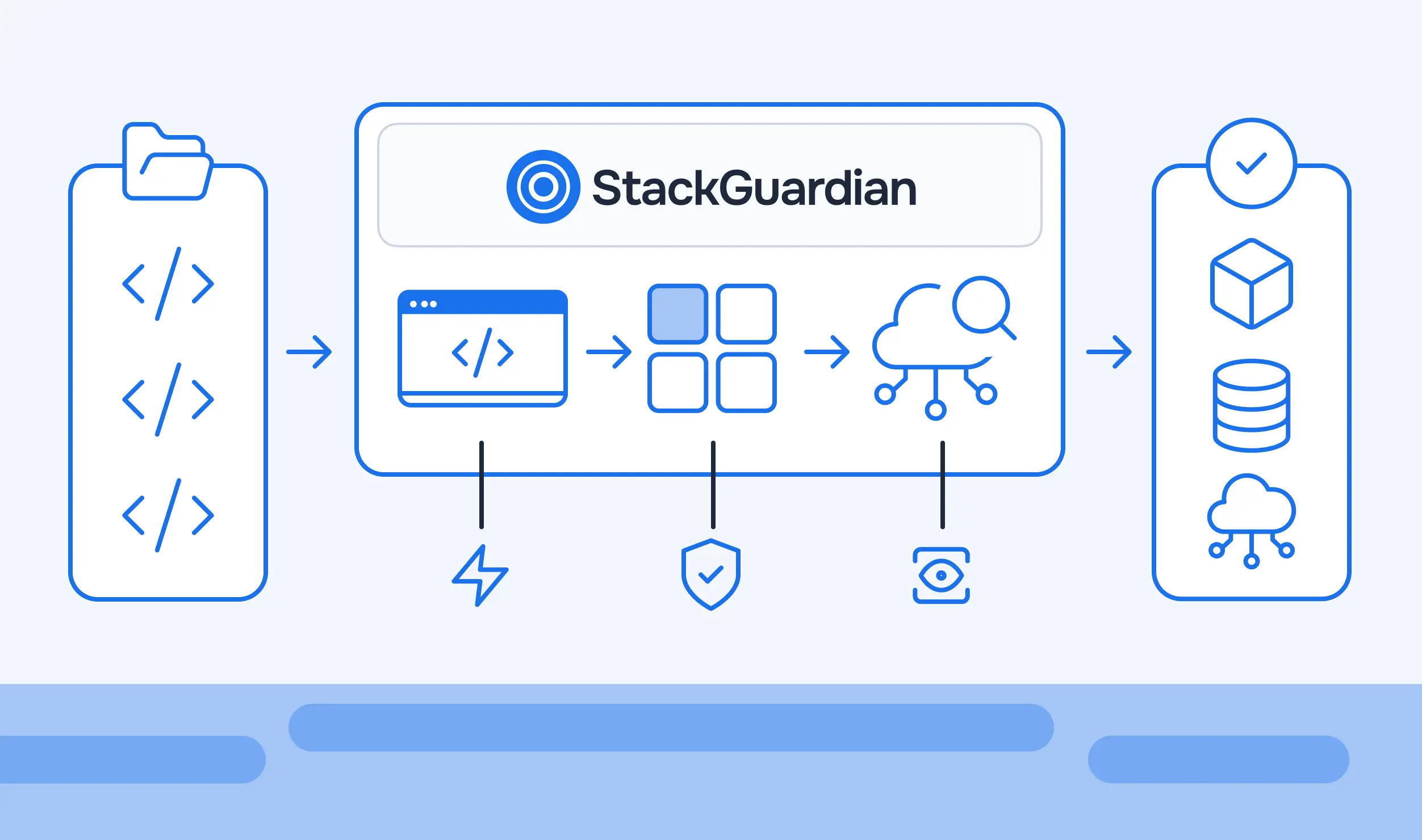
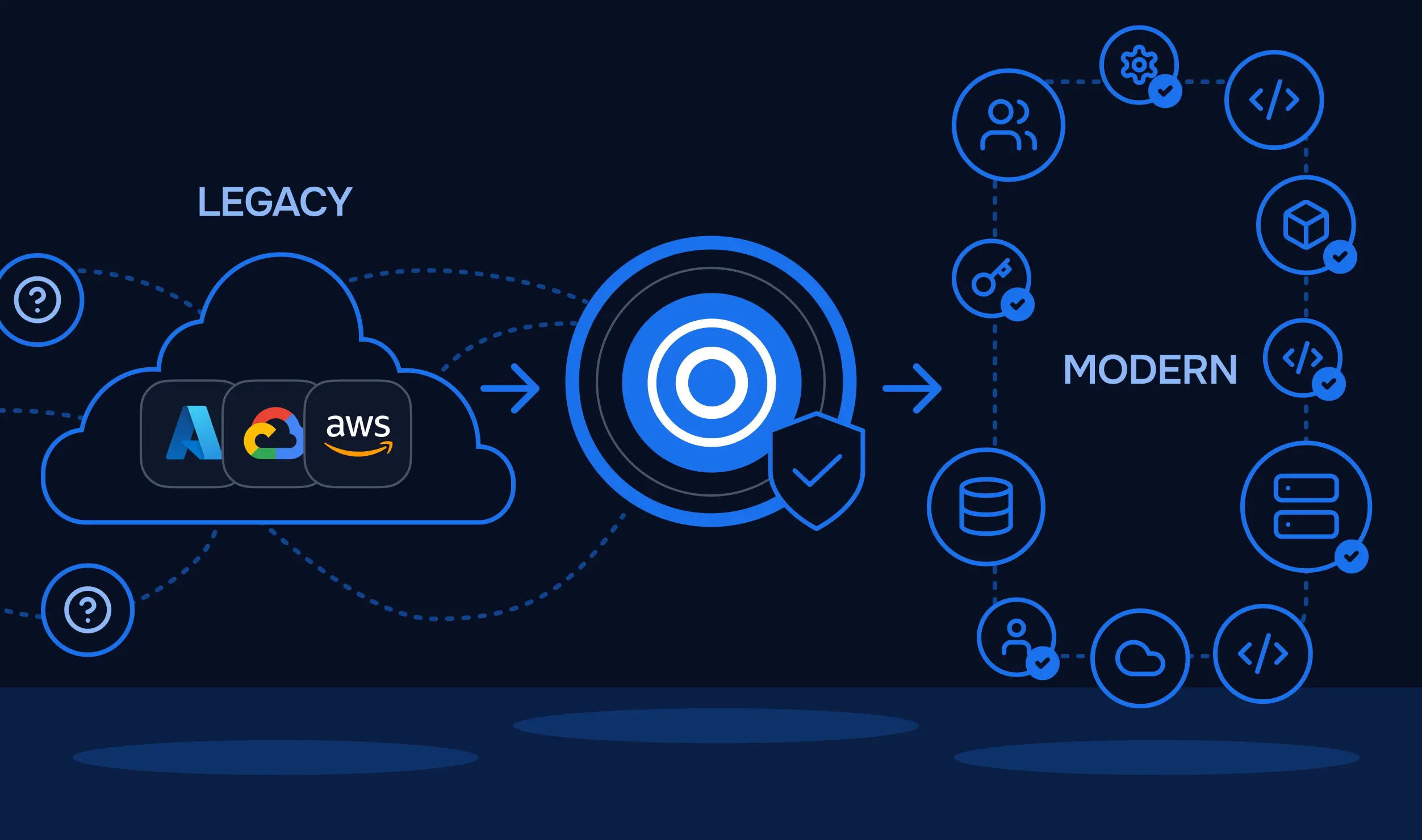
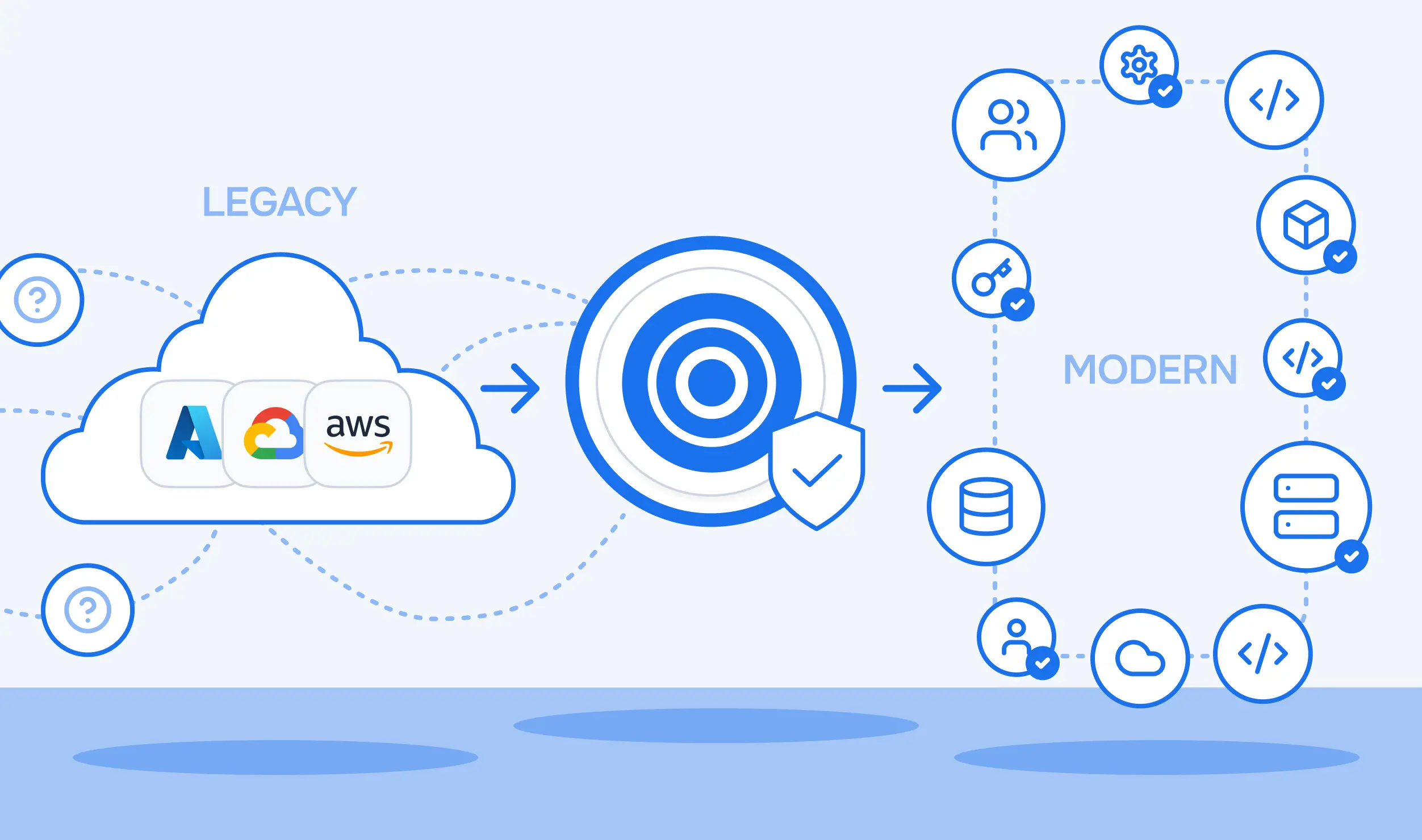
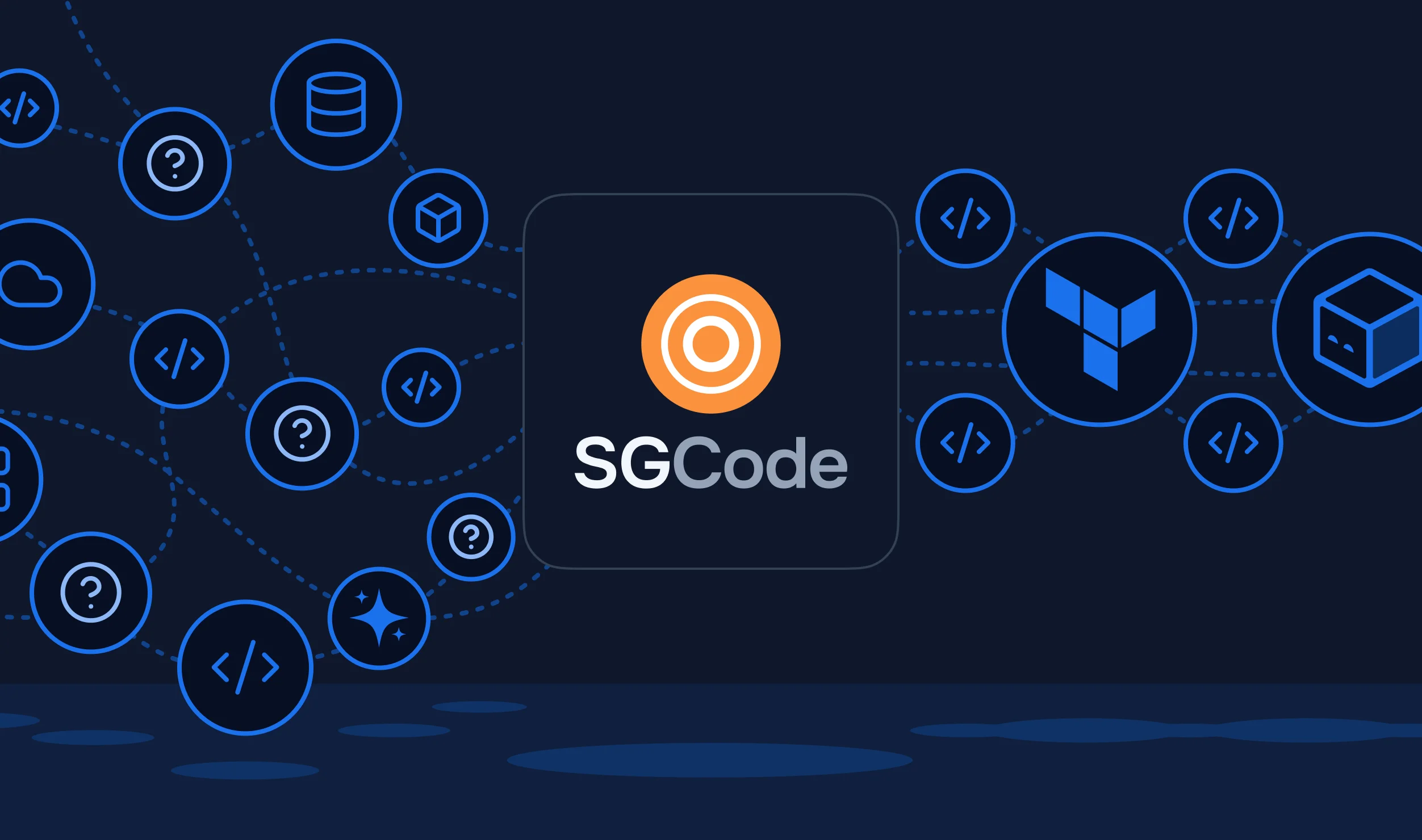
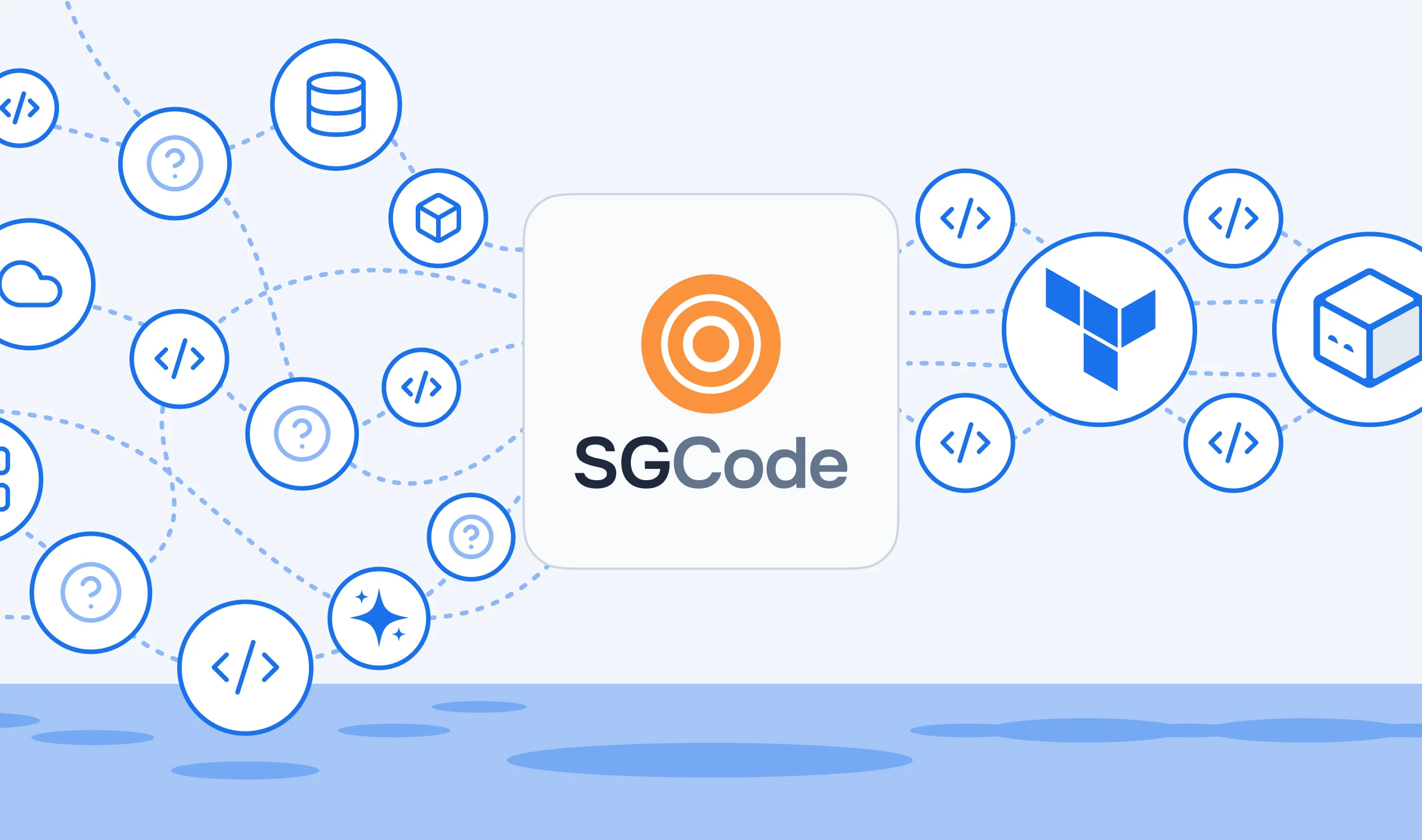
SGCode is StackGuardian’s infrastructure-to-code engine. It discovers existing cloud resources across AWS, Azure, and GCP, analyzes how they relate to each other, and generates production-ready Terraform or OpenTofu that fits the way your team already works.
Cloud infrastructure management has gone through three major stages. That progression explains why so many organizations feel stuck today.
Phase 1: ClickOps
In the early days, engineers provisioned infrastructure directly in cloud consoles because it was fast and practical.
It worked until environments became larger and more critical.
There was no version history, no repeatability, and no reliable way to understand what changed and why. Drift accumulated with every urgent fix and manual update.
Phase 2: Infrastructure as Code
Terraform and OpenTofu changed the game for new deployments.
Teams could define infrastructure in code, store it in Git, deploy through pipelines, and standardize how environments were built.
But IaC adoption almost always came after the cloud environment already existed.
By the time teams started writing infrastructure as code, they were already surrounded by years of manually provisioned resources, legacy automation, one-off fixes, and undocumented dependencies.
Phase 3: Platform Engineering
This is where organizations want to be.
Self-service infrastructure. Standardized templates. Policy-driven governance. Developer workflows with built-in guardrails.
But platform engineering has one hard prerequisite.
Everything has to be in code.
You can’t enforce policies or deliver safe self-service on infrastructure that doesn’t exist in your IaC layer. That’s where most teams get stuck. They are trying to move forward while carrying years of unmanaged infrastructure behind them.
This problem doesn’t show up all at once. It builds slowly.
A console change during an incident. A legacy script outside the normal workflow. A temporary fix at 2 AM that never gets codified. Knowledge that leaves with the engineer who built the system.
Over time, even teams that adopt IaC end up with a hybrid reality:
That hybrid state creates real operational problems.
Configuration drift leads to incidents. Compliance audits turn into archaeology projects. Security teams can’t enforce policies on what they can’t fully see. Platform teams stay buried in infrastructure debt instead of working on higher-value initiatives like self-service, AI infrastructure, and modernization.
When teams try to fix this, the instinct is to do it manually.
Assign engineers. Work through the backlog. Import resources one by one.
The math breaks almost immediately.
Manual codification takes 1 to 5 hours per resource. Even with internal tooling, engineers still spend 10 to 60 minutes per resource validating dependencies and resolving edge cases.
For an environment with 1,000 unmanaged resources, that can mean 1,000 to 5,000 engineering hours.
That’s months at best, and often well over a year.
And that’s the optimistic version.
It assumes your team understands how everything was built. It assumes dependencies are clear. It assumes the environment stays stable during migration.
None of that is usually true.
Some teams try to build internal tools to solve this. It’s a reasonable instinct, but building something that handles dependencies, shared resources, state generation, and coding standards often takes 12 to 18 months. Then it still needs ongoing maintenance.
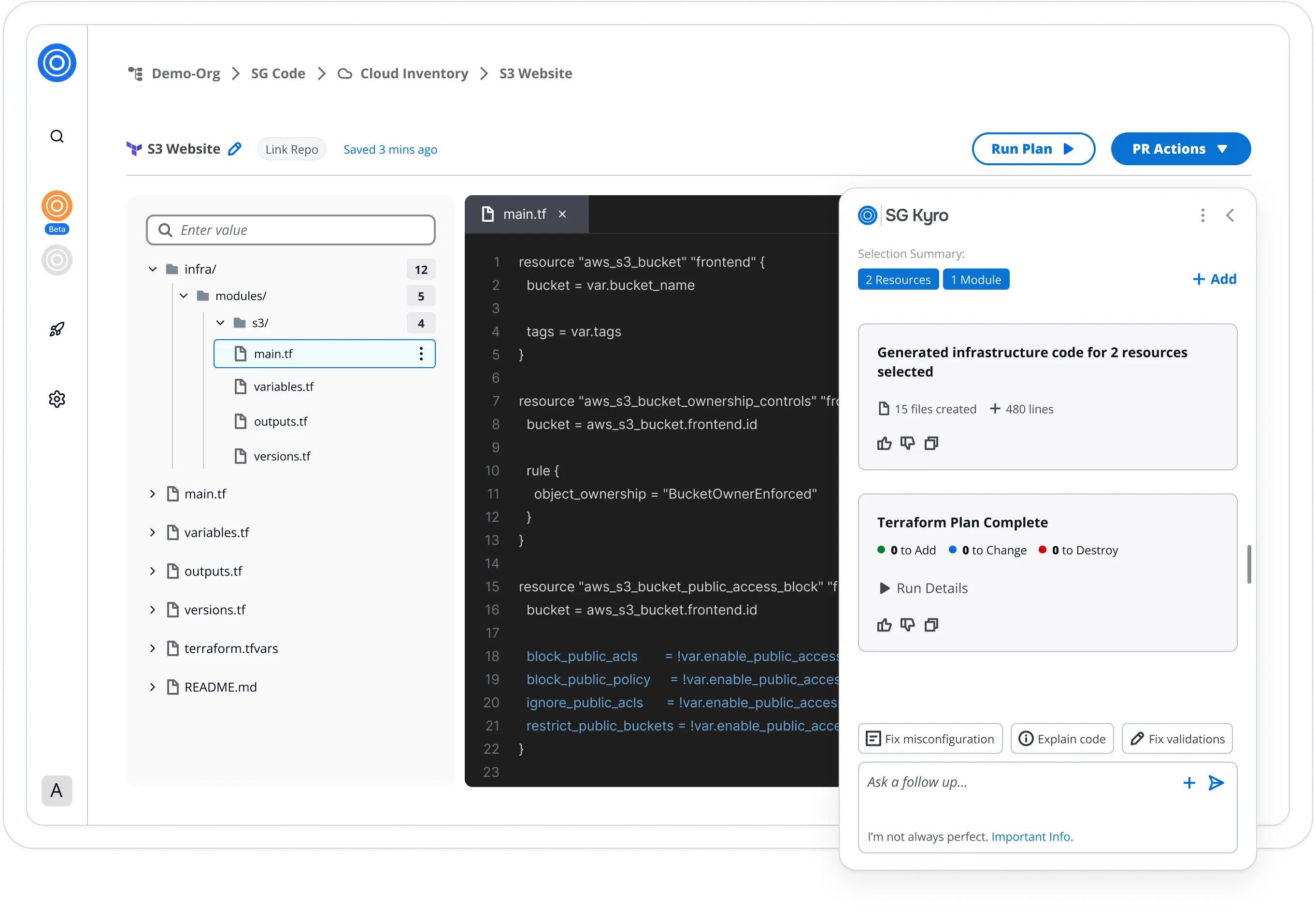
SGCode was built to solve this exact problem.
It automatically discovers existing cloud infrastructure, analyzes dependencies and relationships, and generates clean Terraform or OpenTofu that reflects how your environment is actually built.
It also creates Terraform state files, validates the generated code, and activates governance and drift detection as soon as conversion is complete.
Instead of spending months reverse-engineering infrastructure, platform teams can start bringing legacy environments under Infrastructure as Code in weeks.
This is where most infrastructure conversion tools fall short.
They generate raw resource definitions. Flat exports. Large dumps of disconnected blocks.
But real infrastructure isn’t flat.
Five hundred EC2 instances are not five hundred unrelated resources. They represent application clusters, development environments, database tiers, shared services, and production systems with dependencies across teams.
SGCode understands that.
It analyzes your existing Terraform repositories to learn your module structure, naming conventions, variable patterns, and repository organization. Then it generates code that aligns with those standards.
The result looks like something your team would actually maintain, not a one-time export that needs to be rewritten.
It also handles the parts that usually break internal tools:
That’s the difference between generating code and generating usable code.
SGCode is not just a migration tool.
Once infrastructure is converted, it becomes part of the StackGuardian platform.
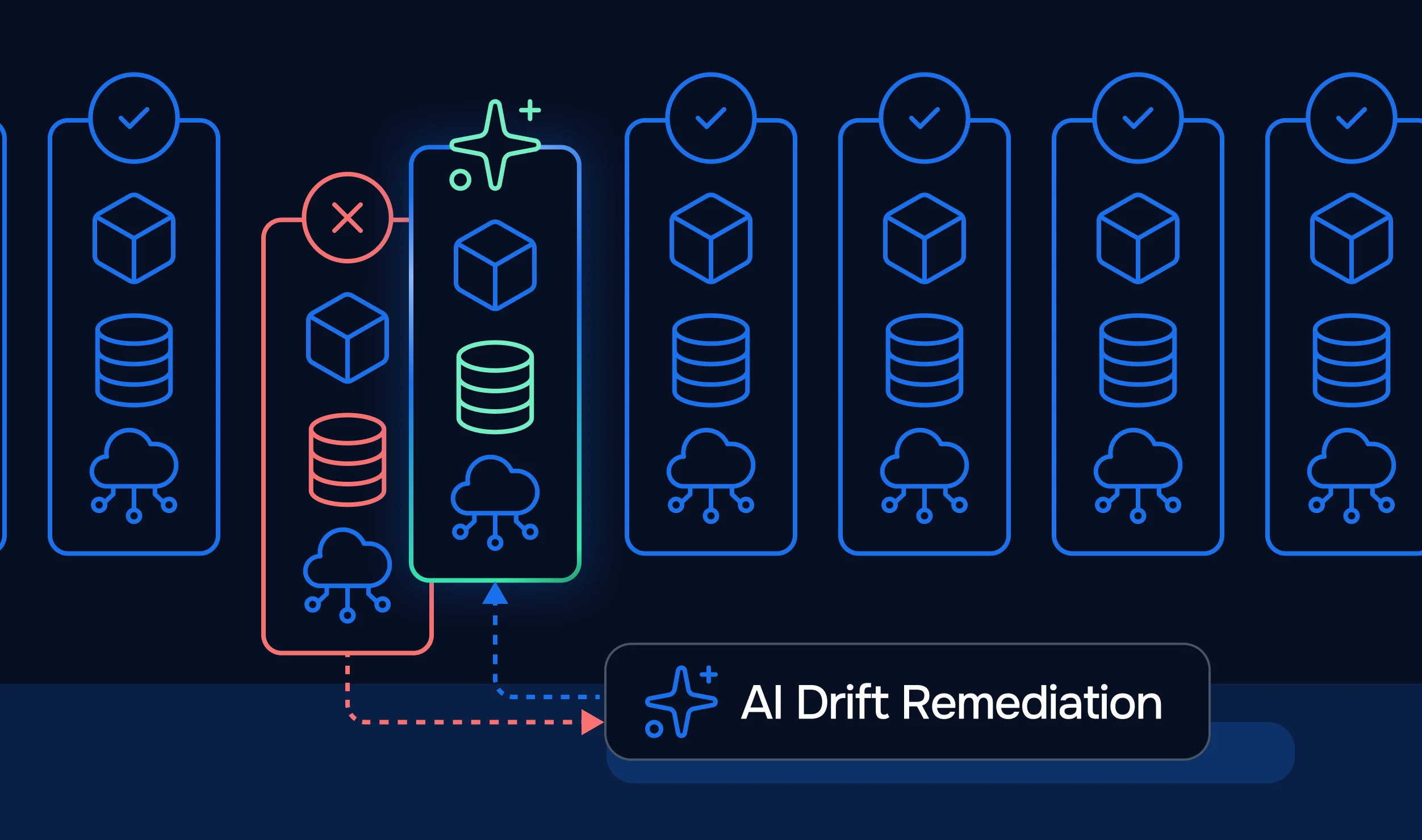
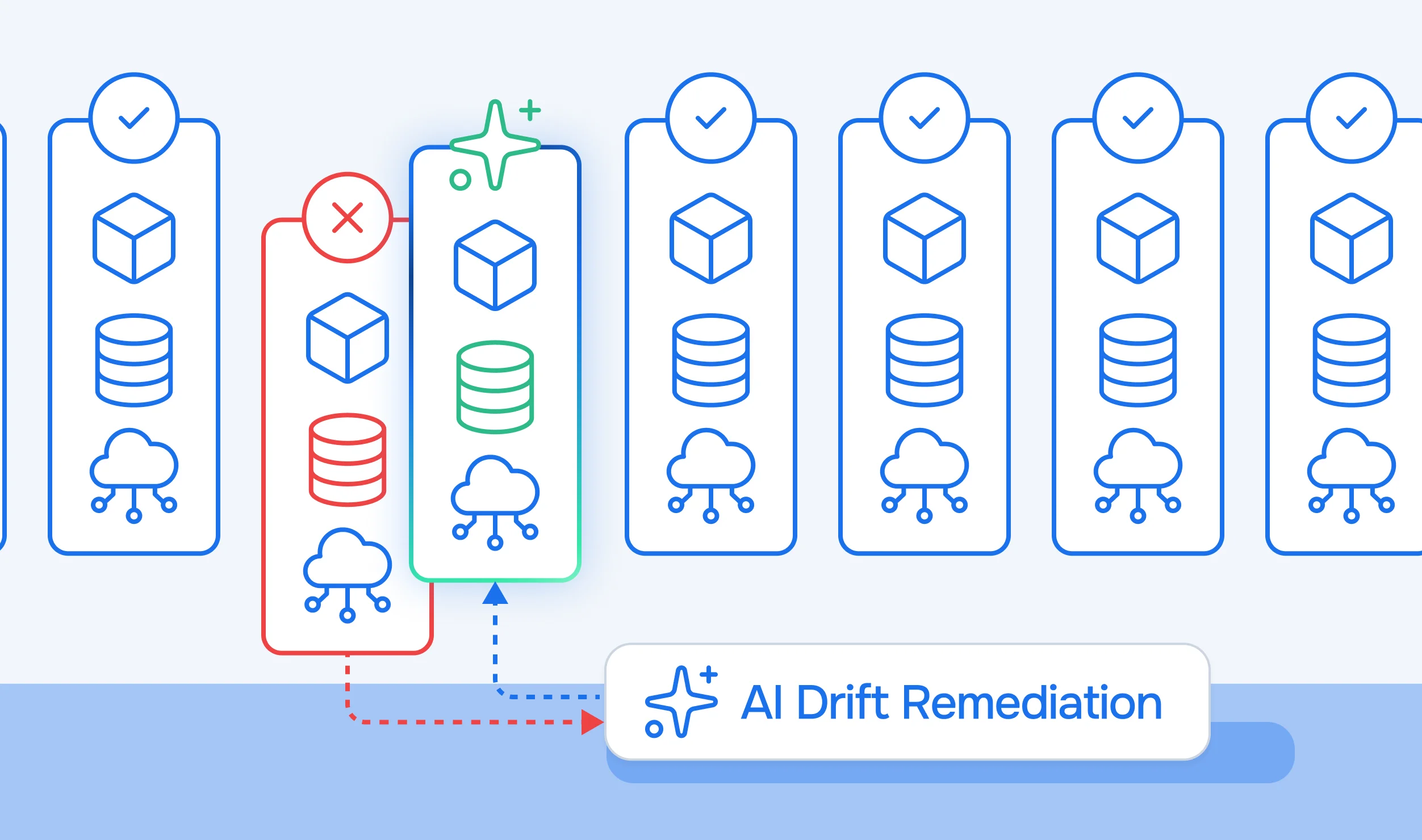
Drift detection starts immediately. Policies apply consistently. Generated modules become reusable templates. Standard workflows can now cover both new and existing infrastructure.
Instead of treating legacy infrastructure as an exception, teams can bring everything into the same operating model.
The immediate benefit is time.
Hours spent on manual codification go back into platform automation, developer experience, AI infrastructure, and modernization.
But the deeper benefit is control.
With SGCode, every cloud resource can fall under the same governance framework, whether it was provisioned last week through IaC or years ago through a console.
For regulated environments, this matters even more.
When infrastructure needs to be auditable, standardized, and continuously governed, unmanaged resources are not just inconvenient. They are a real operational and compliance risk.
SGCode gives teams a practical path to full IaC coverage without turning it into a multi-year migration effort.
Every cloud environment accumulates infrastructure debt.
That part is inevitable.
What’s optional is whether you keep working around it or finally bring it under control.
SGCode gives platform teams an automated way to turn unmanaged infrastructure into governed, version-controlled Infrastructure as Code.
No multi-year rebuild. No endless manual import project. No second-class legacy environments.
If your environment is full of ClickOps history, missing state files, and infrastructure nobody fully trusts, this is exactly the problem SGCode was built to solve.
Stop managing chaos. Start bringing your cloud under control.