Terraform Is Dead - Or Is It?
Why Infrastructure as Code Still Matters in the Era of Operators and AI Agents
Why Infrastructure as Code Still Matters in the Era of Operators and AI Agents


Recent discussions in the DevOps and platform engineering communities have been dominated by a provocative claim: “Terraform is dead.” Proponents argue that Kubernetes operators, AI agents, and natural language interfaces are the future of cloud infrastructure management. The argument goes: why force developers to learn HCL, YAML, or any IaC language when operators and AI can automate everything?
This perspective is gaining traction, especially as the Kubernetes operator pattern matures and AI-driven tools emerge. Operators encapsulate domain knowledge, automate complex workflows, and continuously reconcile desired and actual state, making them a natural fit for modern, dynamic infrastructure. AI agents promise even more abstraction, letting teams describe infrastructure needs in plain English.
But is this the end for Terraform and Infrastructure as Code (IaC)? Not quite.
One of the main criticisms is that asking every developer to master Terraform (or any IaC tool) is unrealistic. And that’s true. But Terraform was never designed as a developer-facing tool. It’s a backend engine for cloud engineers and platform teams to define, manage, and version infrastructure safely and consistently.
Operators are powerful, especially in Kubernetes. They automate operational tasks, manage lifecycle events, and keep systems healthy. But operators themselves depend on underlying infrastructure: VPCs, databases, cloud services, and more. Provisioning and managing these foundational resources still requires robust IaC. Operators are a layer on top, not a replacement.
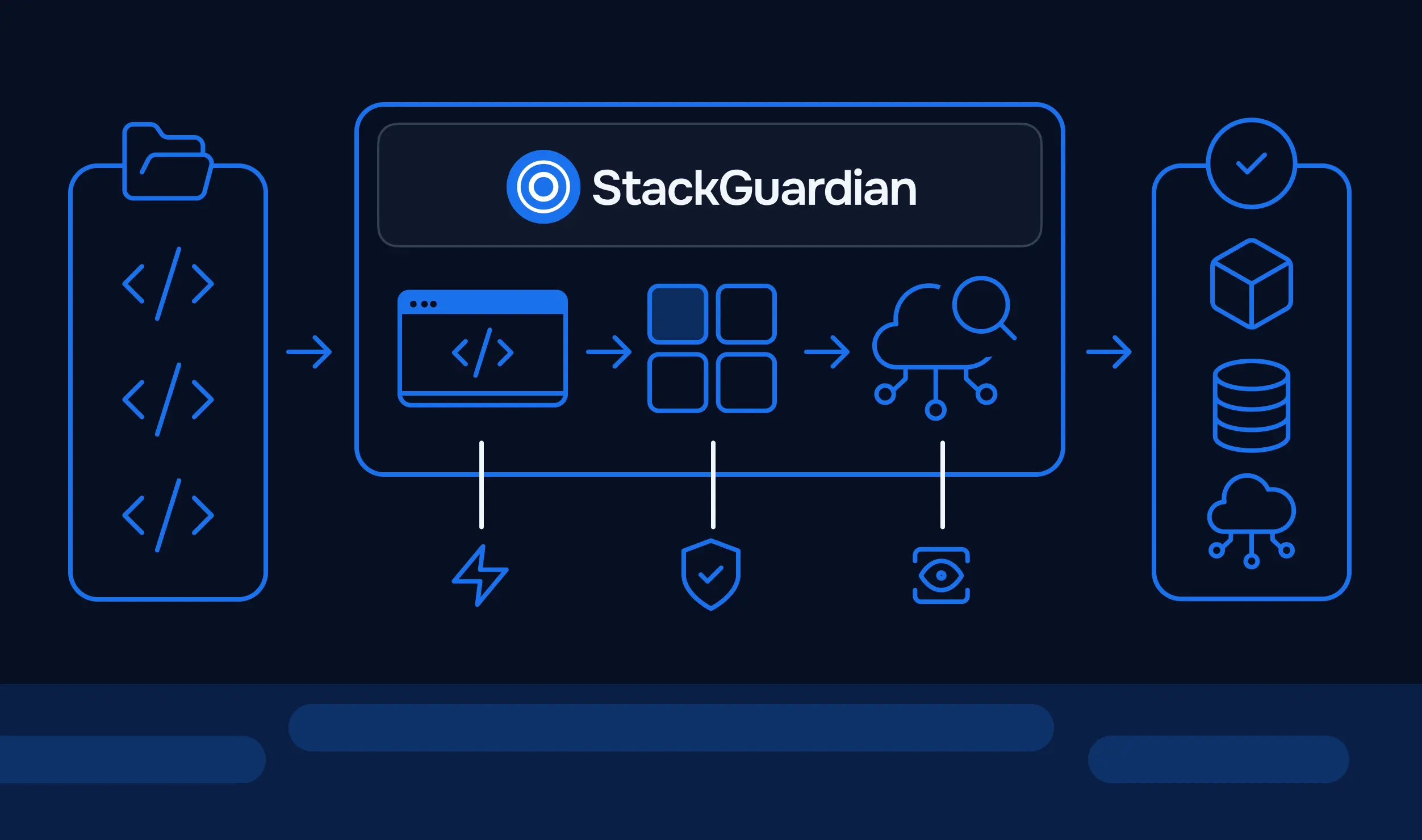
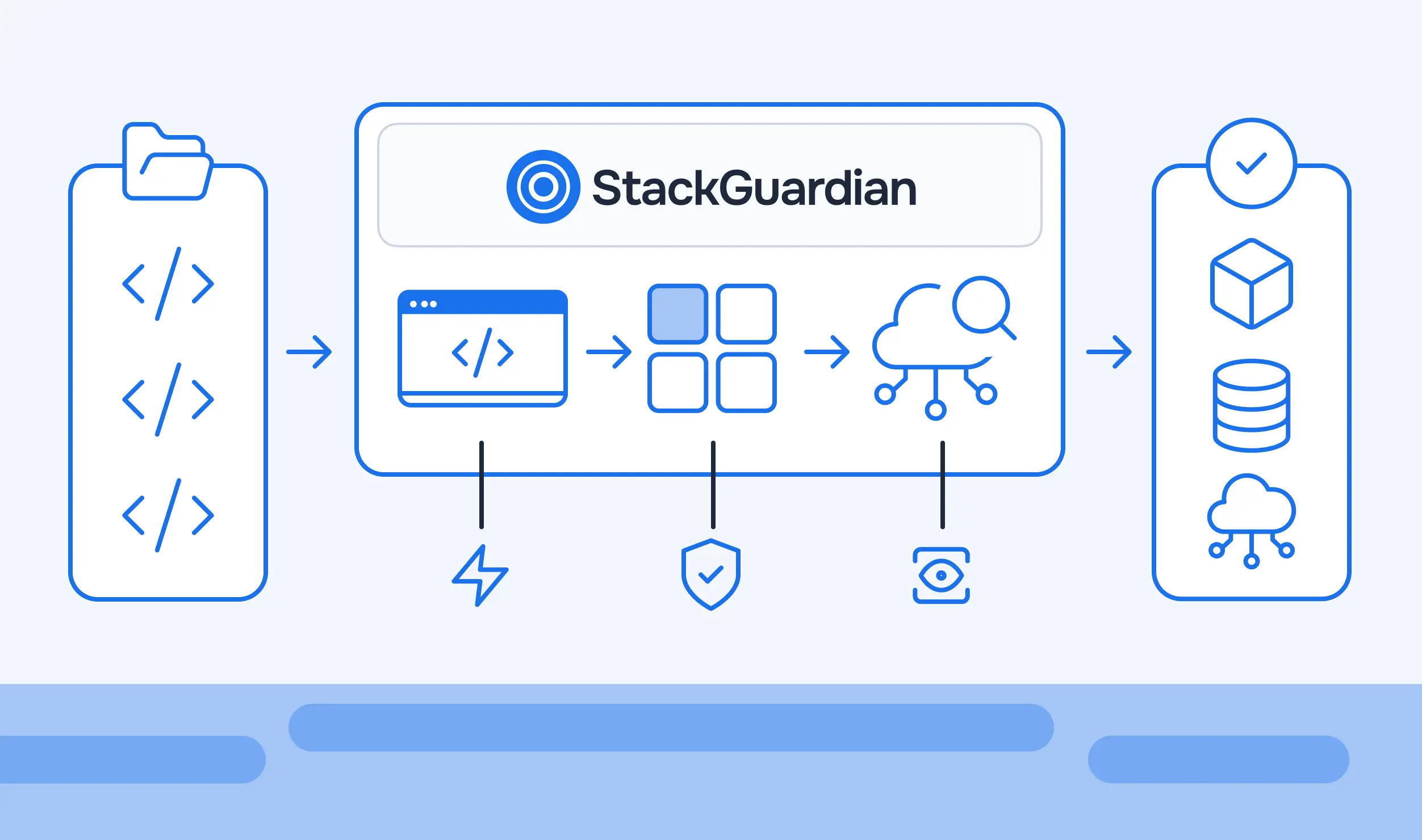
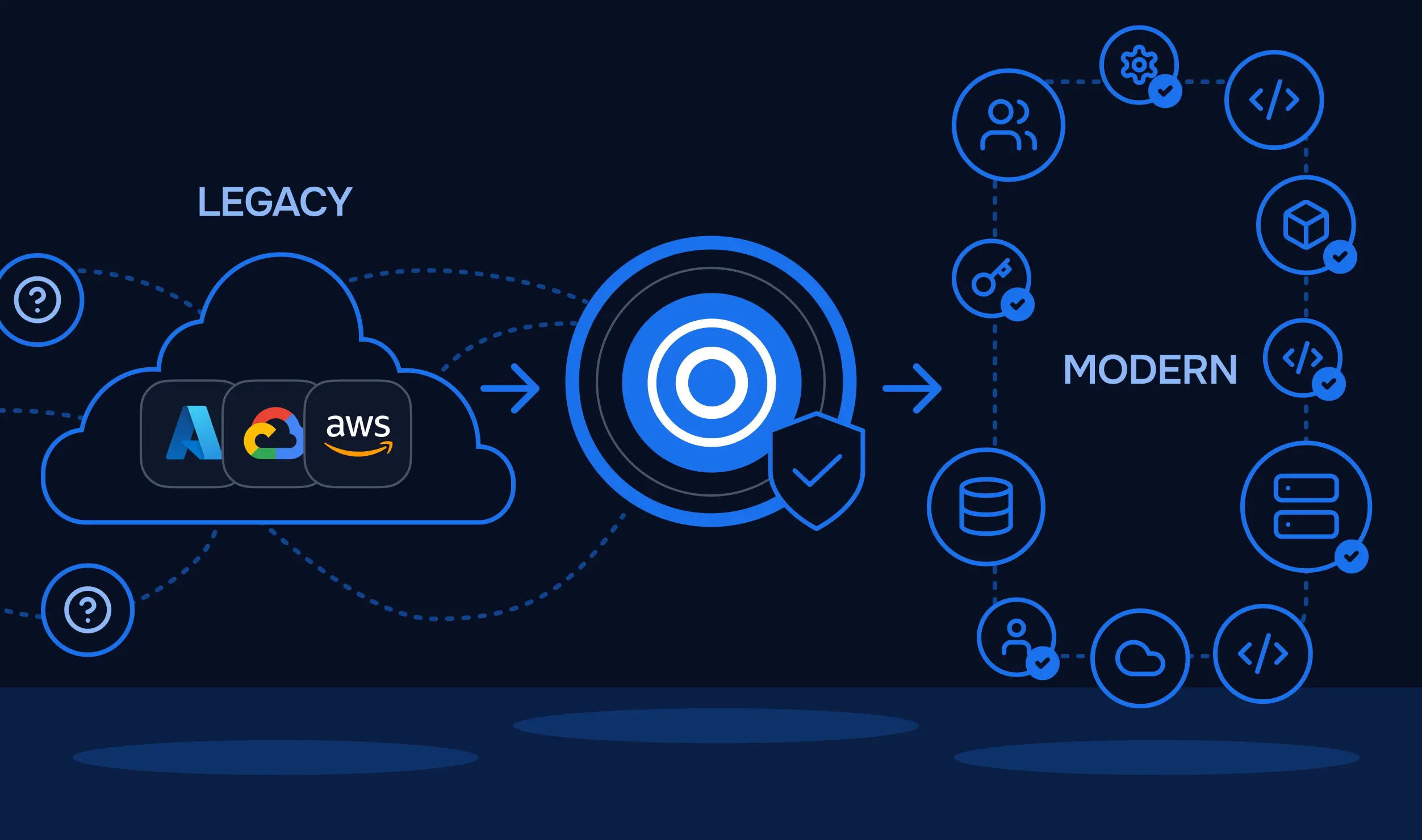
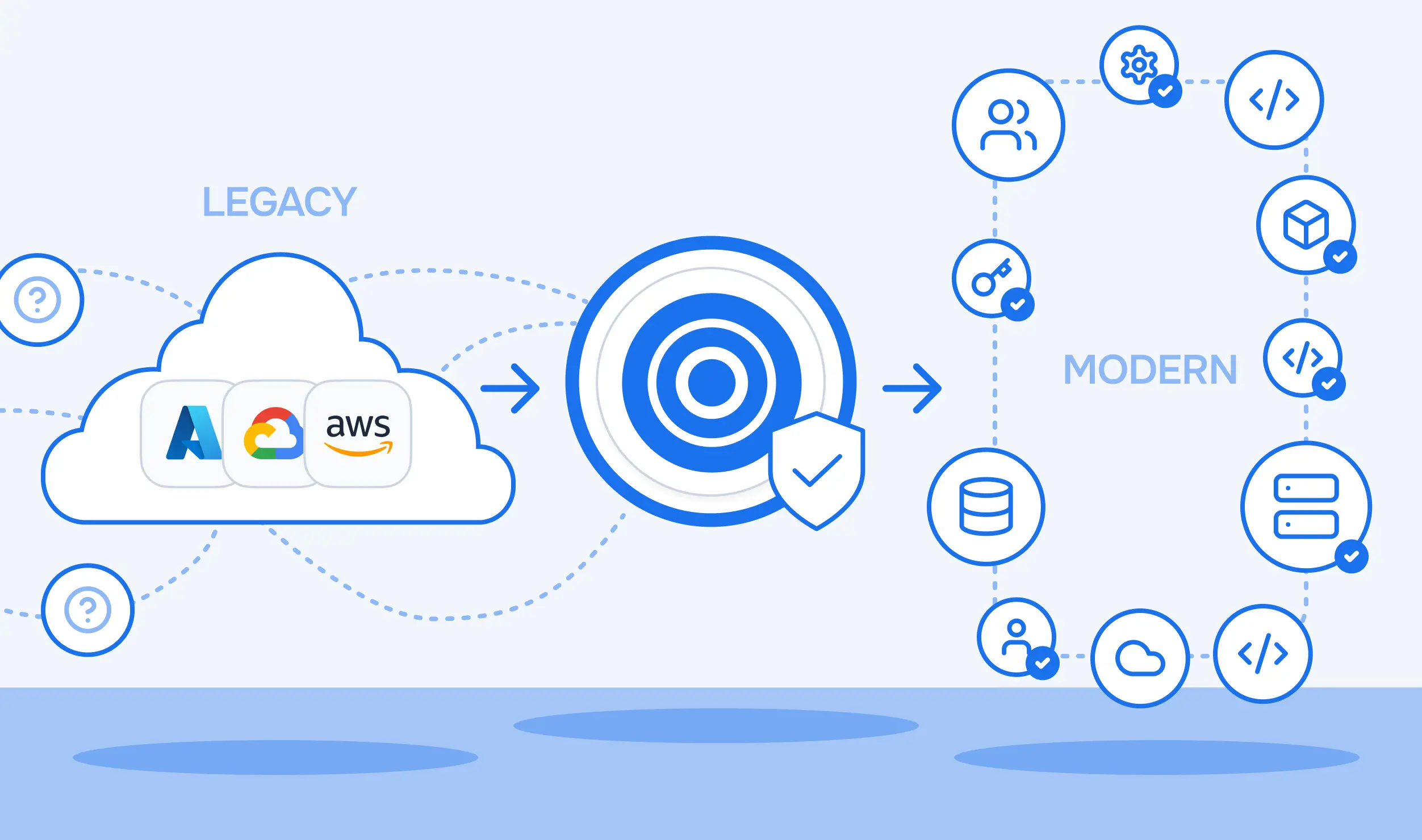
There’s a growing consensus that developers shouldn’t have to write infrastructure code. Instead, they should consume self-service platforms that abstract away the complexity. This is exactly the problem StackGuardian and similar tools solve: developers get a simple, intuitive interface, while cloud teams retain the power and auditability of IaC behind the scenes.
The real pain isn’t Terraform itself, but how organizations use it. Forcing every developer to write HCL or manage state is a recipe for frustration. But abandoning IaC in favor of “clickops” or black-box automation is even riskier. IaC provides:
These are non-negotiable for enterprise cloud teams.
The future isn’t about choosing between Terraform and operators, or between IaC and AI agents. It’s about building platforms that give developers the abstraction they want, while cloud teams retain the power, safety, and repeatability of IaC.
Terraform isn’t dead. But the way we use it is changing, and that’s a good thing.